Top Landscaping Services in Pine Mountain, GA, 31822 | Compare & Call
There are 84 landscaping companies server in Pine Mountain GA
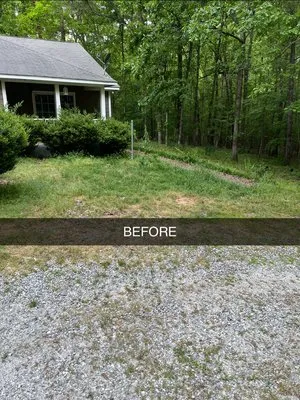
Grass Masters is a trusted lawn service provider based in Waverly Hall, GA, dedicated to keeping Harris County and surrounding areas green and healthy. We specialize in comprehensive lawn care, offeri...
Well Rounded Exterior an Interior
Well Rounded Exterior an Interior is your comprehensive commercial cleaning and property care partner in Pine Mountain, GA. We specialize in commercial deep cleaning, move-in/move-out cleaning, and st...

Southern Grass Roots Landscaping
Southern Grass Roots Landscaping is a Waverly Hall-based landscaping company with over 20 years of experience serving local residents and businesses. We specialize in personalized landscaping solution...
Man's Asap landscaping And Handyman Services
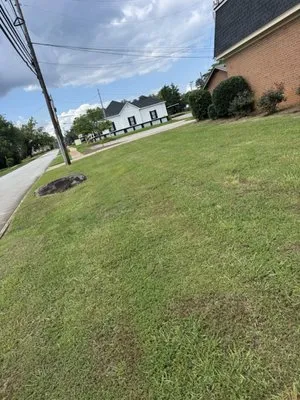
Man's ASAP Landscaping and Handyman Services is a licensed, locally-operated business in LaGrange, GA, dedicated to simplifying home and yard care. We understand that property maintenance can feel ove...
Estimated Landscaping Service Costs in Pine Mountain, GA
Q&A
A storm caused major limb damage, and our HOA has a 72-hour cleanup rule. How quickly can a crew realistically get here?
For emergency storm response in Downtown Pine Mountain, a standard dispatch time is 20-30 minutes from a staging area near Callaway Gardens. Crews route via US-27, which allows direct access to most neighborhoods. We prioritize these calls to meet HOA compliance deadlines, with initial debris clearing and safety mitigation typically completed within the first few hours of arrival, barring widespread regional outages.
Our lawn soil feels compacted and thin. Is this just from age, or is there a specific issue with Pine Mountain's soil?
This is a predictable outcome of soil maturity on Downtown Pine Mountain's 1990-era properties. After 36 years, residential lots with Cecil Sandy Loam soil often develop a dense, nutrient-poor layer from repeated mowing and foot traffic. This Ultisol is naturally acidic (pH 5.5-6.0) and prone to compaction, which restricts root growth and water percolation. A core aeration and top-dressing with organic compost are recommended to rebuild soil structure and microbial activity for the next growth cycle.
We've spotted what looks like invasive Japanese Stiltgrass. How should we handle it without harming our other plants or breaking local rules?
Japanese Stiltgrass is a high-priority invasive in our area. Manual pulling before seed set in late summer is most effective for small patches. For larger infestations, a targeted post-emergent herbicide application may be necessary, but it must be applied by a licensed professional adhering to Georgia's BMPs for Phosphorus. These regulations require buffer zones near waterways and may dictate specific application blackout dates to protect water quality.
We want to regrade our backyard for better drainage. What permits and contractor qualifications are required for a 0.35-acre lot?
Regrading a 0.35-acre lot typically requires an Erosion and Sedimentation Control permit from Harris County Planning and Development. The contractor must be licensed by the Georgia Department of Agriculture for soil amendment and planting. For significant earthmoving that alters water flow, a licensed utility locator must mark lines first, and the work must be performed by a licensed landscape contractor to ensure compliance with state BMPs and local zoning codes.
With Pine Mountain in Stage 1 water restrictions, how do we keep our TifTuf Bermuda healthy without wasting water?
Stage 1 restrictions permit efficient irrigation, which is best managed with a Wi-Fi ET-based weather-sensing controller. This system calculates evapotranspiration (ET) rates, applying water only when the turf's actual need exceeds rainfall. For TifTuf Bermuda, this means deep, infrequent watering cycles that encourage drought-tolerant root depth while staying well within municipal allotments, effectively preserving turf quality without excess use.
We want to reduce mowing and gas equipment noise. What are some lower-maintenance, native alternatives to grass?
Transitioning to a xeriscape or meadow garden with Pine Mountain natives like Oakleaf Hydrangea, Purple Coneflower, Sweetbay Magnolia, and Switchgrass drastically reduces mowing and watering needs. This biodiversity-friendly approach creates habitat, builds soil health, and minimizes the need for loud gas-powered blowers and mowers, aligning with a proactive approach to evolving community noise standards and long-term resource conservation.
Our yard has persistent soggy areas each spring. What's a lasting solution for this drainage problem?
Seasonal soil saturation is common with Cecil Sandy Loam's moderate permeability. A lasting solution involves reshaping the grade to direct runoff away from foundations and installing a French drain or dry creek bed. Using local granite or permeable pavers for any new patios or paths can significantly reduce surface runoff, helping your project meet Harris County Planning and Development's stormwater management standards for residential lots.
We're building a new patio. Is local granite a better long-term choice than composite wood here?
For longevity and fire resilience, local granite is superior. It is non-combustible, requires no sealing or replacement, and withstands our freeze-thaw cycles. In Pine Mountain's Moderate (WUI Zone 2) fire risk area, using non-flammable materials like granite for patios and walkways contributes to defensible space. Permeable granite pavers also aid drainage, while wood or composites present a higher maintenance and potential fire fuel profile.
