Top Landscaping Services in Nashville, GA, 31639 | Compare & Call

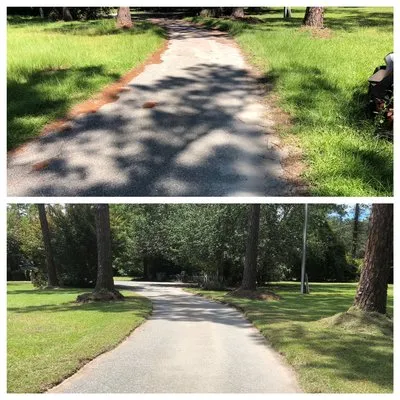
Curb Appeal Outdoor Services is a locally owned and operated lawn care business serving Nashville, GA. Founded in 2021 by owners with deep roots in the community, we bring over two decades of landscap...
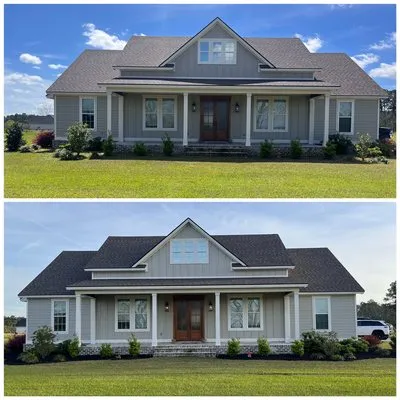
South Georgia Lawnscaping is your Nashville-based partner for a healthy, well-maintained property. Our experienced team provides personalized lawn care, tree services, and pressure washing, tailored t...
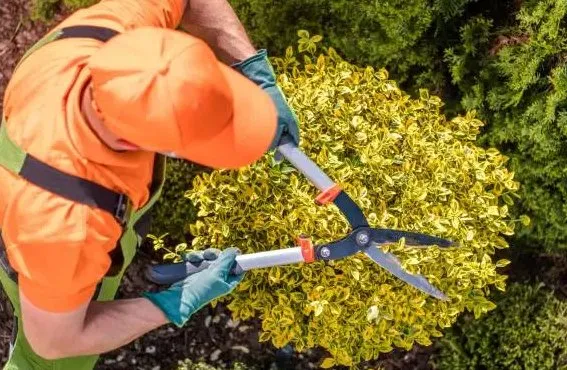
RR Landscaping Services is a trusted local landscaping company serving Nashville, GA, and surrounding areas. We specialize in comprehensive lawn and shrub care, including irrigation repair, landscape ...

Dennis Mathis Landscaping is a trusted local landscaping company serving Nashville, GA, and the surrounding areas. We specialize in addressing common residential landscaping challenges that homeowners...
Ladybugs Awed Intentions is a trusted local business in Nashville, GA, offering comprehensive landscaping, handyman, and home cleaning services. We specialize in addressing common Nashville-area issue...
Question Answers
We're adding a patio. Is wood or stone better for longevity and safety in our area?
For longevity and low maintenance in Nashville's climate, concrete pavers or crushed granite are superior to wood. These inorganic materials do not rot, warp, or attract pests. They also contribute to a defensible space, a key consideration for a Moderate Fire Wise rating in the Wildland-Urban Interface, by not providing combustible fuel near structures. Their durability offers a better lifecycle cost and aligns with resilient landscape design principles.
Do we need a permit to regrade our backyard, and what should we look for in a contractor?
Significant grading on a 0.35-acre lot typically requires a permit from the Nashville City Planning and Zoning Department to ensure proper drainage and erosion control. Crucially, the contractor must hold appropriate licensing through the Georgia Department of Agriculture for landscape contracting. This licensing ensures they are bonded, insured, and knowledgeable about state BMPs, protecting you from liability and guaranteeing the work meets structural and environmental codes.
We're tired of weekly mowing and gas-powered noise. Are there lower-maintenance, quieter landscape options?
Transitioning high-maintenance turf to a climate-adaptive xeriscape with regional natives is a forward-looking strategy. Planting layers of Longleaf Pine, Oakleaf Hydrangea, Beautyberry, and Blazing Star creates a resilient, biodiverse landscape that requires minimal mowing or irrigation. This approach significantly reduces dependency on gas-powered equipment, aligning with evolving noise ordinances and 2026 sustainability benchmarks for the Wildland-Urban Interface.
Our neighborhood lawns seem to struggle. Is there a common soil issue for houses built around the 1970s?
Properties in Downtown Nashville built around the 1974 average likely have 50+ years of soil compaction. The underlying Tifton Sandy Loam, naturally acidic with a pH of 5.5-6.0, often suffers from reduced permeability due to construction practices and routine maintenance. This leads to poor root development and nutrient lock-up. Annual core aeration and the addition of composted organic matter are essential to rebuild soil structure and counteract the natural acidity for optimal plant health.
Our yard holds water for days after a rain. What's causing this and what's a good fix?
Slow infiltration is a known characteristic of Tifton Sandy Loam, often exacerbated by a seasonal high water table. This creates persistent surface water and saturated root zones. The solution involves improving site permeability; replacing solid surfaces with permeable concrete pavers or crushed granite for walkways allows water to infiltrate naturally. Such designs often meet the Nashville City Planning and Zoning Department's updated standards for managing stormwater runoff on-site.
How can we keep our Tifway 419 Bermuda lawn healthy while following the city's water conservation request?
Under Level 1 voluntary conservation, smart Wi-Fi controllers paired with in-ground soil moisture sensors are the technical solution. These systems use local evapotranspiration (ET) data to apply water only when the root zone needs it, preventing overwatering. This method maintains turfgrass vigor while reducing water use by 20-30% compared to traditional timer-based systems. It aligns precisely with municipal water limits and the specific needs of warm-season grasses in Zone 8b.
We've spotted what looks like invasive Cogongrass. How do we handle it safely and legally?
Cogongrass is a serious invasive alert for Georgia. Treatment requires a targeted, systemic herbicide application during its active growth phase. All control methods must comply with the state-regulated nutrient management plan, avoiding BMP blackout dates typically in winter to protect water quality. For effective eradication, consult a licensed professional who can implement a multi-year treatment strategy that is both ecologically sound and legally compliant.
We need emergency tree cleanup after a storm to meet HOA deadlines. How quickly can a crew arrive?
For emergency response, a crew can typically be dispatched within 20-30 minutes during peak hours from a central dispatch near the Berrien County Courthouse. The primary route utilizes US-129 for efficient access to most of Downtown Nashville. We prioritize these calls with dedicated equipment to secure the site and initiate debris removal, ensuring compliance with local safety and aesthetic standards promptly.
