Top Landscaping Services in Monroe, GA, 30655 | Compare & Call

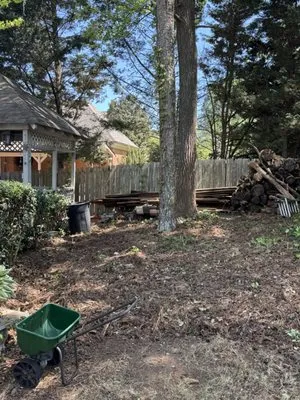
Evergreen Outdoor Solutions is a locally owned and operated landscaping company serving Monroe and the surrounding areas. We focus on creating durable, beautiful outdoor environments through a compreh...
Yankee Clippers Landscaping and More is a Monroe, GA-based business built on a genuine passion for outdoor work and helping neighbors. Founded in 2016 by Jennifer P., the company grew from her 23 year...
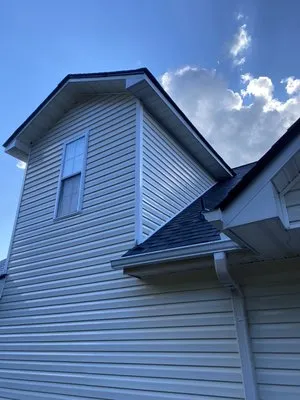
Orr's Power Wash and More is a trusted, locally-owned service provider in Monroe, GA, specializing in pressure washing and landscaping solutions. We understand the unique challenges Monroe property ow...
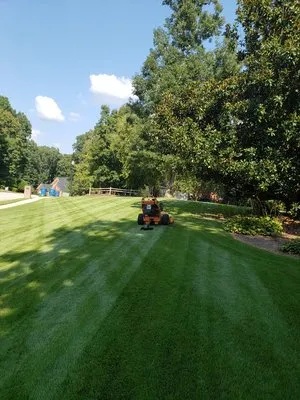
78 Landscaping is a full-service Monroe, GA, company specializing in landscape construction, irrigation, and ongoing maintenance. We understand the local challenges, like patchy sprinkler coverage tha...
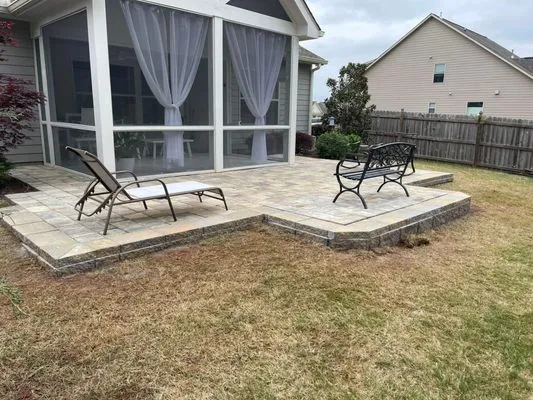
American Land Management is a Monroe-based landscaping company specializing in comprehensive outdoor solutions for local homeowners. We address common local issues like poor lawn grading and irrigatio...
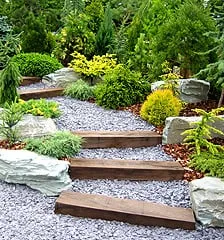
Angel Turf Lawn Care is a family-owned and operated landscaping business in Monroe, GA, founded by Lewis, a former firefighter and EMT. Lewis started the company as Lewis's Lawn Care while still in hi...

Greenscapes Nursery and Landscaping
Greenscapes Nursery and Landscaping is a Monroe, GA-based business specializing in landscape design, landscape architecture, and patio coverings. We help local homeowners transform their outdoor space...
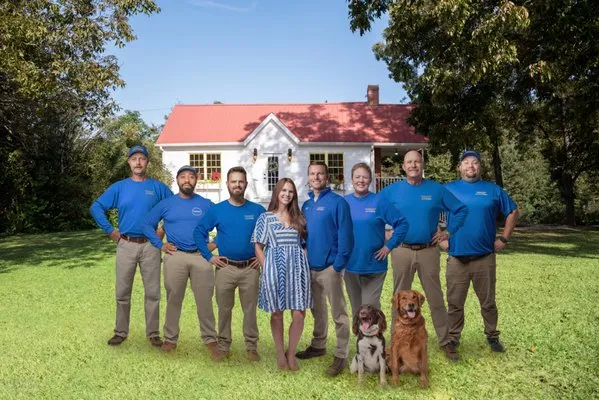
Pest Force is a family-owned pest control and lawn care service proudly serving Monroe, GA, and surrounding Walton County. Founded on the values learned from a father's community-focused business, we ...
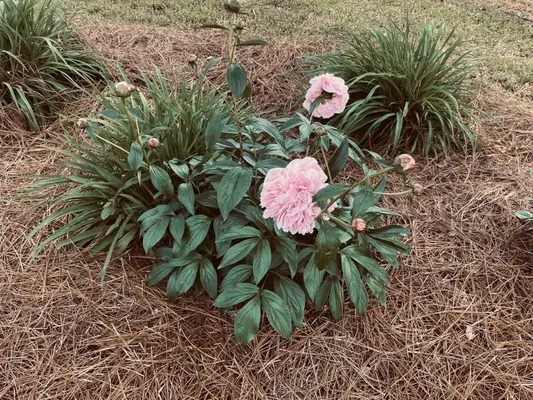
Clay's Lawncare & Landscaping is your trusted, local expert for a healthy and beautiful outdoor space in Monroe, GA. We provide professional lawn care, tree services, and gardening to address the spec...

Serving Monroe and the greater Metro Atlanta area, Green Splendor Lawn Care provides professional, licensed, and insured lawn care solutions tailored to local conditions. We focus on building healthy,...
Question Answers
I want to reduce mowing, blowing, and watering. What are the best native plants for a low-input garden?
Transitioning to a xeriscape or conservation garden with regionally adapted natives is the most effective long-term strategy. A layered planting of Switchgrass, Purple Coneflower, American Beautyberry, and an understory tree like Eastern Redbud creates a resilient, biodiverse habitat that requires minimal supplemental water once established. This approach drastically reduces the need for weekly mowing and gas-powered blowing, aligning with evolving community standards and preemptively adapting to potential tightening of noise and emissions ordinances.
A storm damaged several trees. How quickly can a crew arrive for an emergency cleanup to meet HOA requirements?
For an urgent HOA compliance or safety issue, we can typically dispatch a crew within a 20-30 minute window during peak hours from our central Monroe location. The standard route from Monroe City Hall, east on US-78, provides efficient access to most Downtown Monroe properties. Our transition to an electric maintenance fleet also allows us to operate within the local noise ordinance hours, enabling early morning starts if necessary to secure a property after an overnight storm event.
Is a wood deck or a stone patio better for longevity and safety in our climate?
In Monroe's humid subtropical climate, inorganic materials like local granite pavers or fieldstone offer superior longevity with minimal maintenance compared to wood, which requires regular sealing and is susceptible to rot. From a safety and ecological perspective, stone hardscapes also contribute to a property's defensible space, a key component of the Moderate Firewise USA rating for our area. They provide a non-combustible zone near the home without supporting invasive plant growth in the way wooden structures can.
My yard's soil seems dense and thin. Is this a common issue in our older Downtown Monroe neighborhood?
Yes, it's highly probable. Homes built around the 1980 average have soils that have matured for over 40 years. The prevalent Cecil Sandy Loam ultisol in our area tends to have its naturally low pH and high clay sub-layer become compacted over decades of standard maintenance. This compaction reduces permeability and root penetration, leading to poor plant health and increased runoff. Correcting this requires core aeration and amending with composted organic matter to rebuild structure and fertility.
Water pools near my foundation after heavy rain. What's a lasting solution for our clay-heavy soil?
Moderate runoff potential is a signature challenge of our Cecil series soils due to their high clay content, which slows percolation. A foundational strategy involves regrading to direct water away from structures and installing French drains or dry creek beds. For new hardscapes, specify permeable installations using local granite pavers or fieldstone set on a gravel base. These systems increase ground absorption and can help a project meet the Monroe Planning & Development Department's updated stormwater management standards.
Does regrading my 0.25-acre lot require a permit or a special contractor?
Yes, significant regrading that alters water flow or involves cut/fill of more than a few inches typically requires review by the Monroe Planning & Development Department to ensure compliance with erosion control and drainage ordinances. For the work itself, you must hire a contractor licensed by the Georgia Secretary of State Professional Licensing Boards. On a quarter-acre lot, improper grading can negatively impact neighboring properties, making licensed, insured professionals who understand local soil dynamics a necessity, not just a recommendation.
I've spotted what looks like invasive Japanese stiltgrass. How should I handle it safely?
Correct identification is critical, as stiltgrass and other invasives like Chinese privet are active threats in Zone 8a. For stiltgrass, pre-emergent herbicides in early spring or careful post-emergent spot treatment before seeding in late summer are effective. Any chemical application must follow Georgia's BMPs for nutrient and pesticide application, which include specific blackout dates and conditions to protect waterways. For severe infestations, manual removal combined with soil health practices to favor native plants is a sustainable long-term protocol.
How can I keep my TifTuf Bermuda lawn green during our hot summers without violating water restrictions?
Adhering to Monroe's Stage 1 water rules is achievable with precise technology. An ET-based, Wi-Fi-enabled irrigation system is key; it automatically adjusts watering schedules by using local weather data to calculate evapotranspiration, applying only the necessary water. For TifTuf Bermuda, this means deep, infrequent irrigation cycles that encourage drought-tolerant root growth. This method often uses less water than a manual schedule while maintaining turf health, ensuring compliance and conservation.
