Top Landscaping Services in Milledgeville, GA, 31059 | Compare & Call

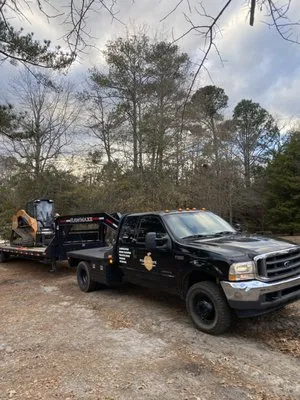
Peachstate Land Management
Peachstate Land Management is a full-service land construction company serving Milledgeville, Lake Oconee, Lake Sinclair, and surrounding Middle Georgia communities. We specialize in excavation, lands...
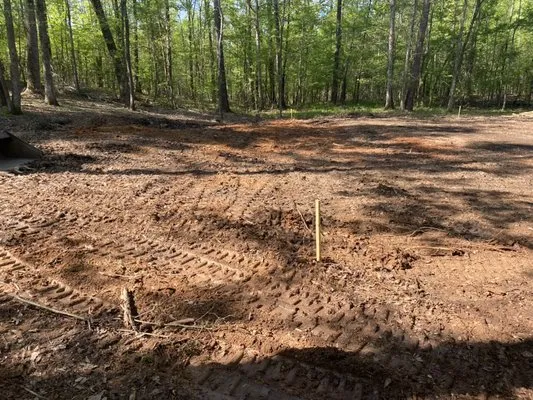
Southern Landscaping & Grading serves Milledgeville, GA, and surrounding areas with comprehensive outdoor solutions. We specialize in both landscaping and masonry/concrete work, offering services from...
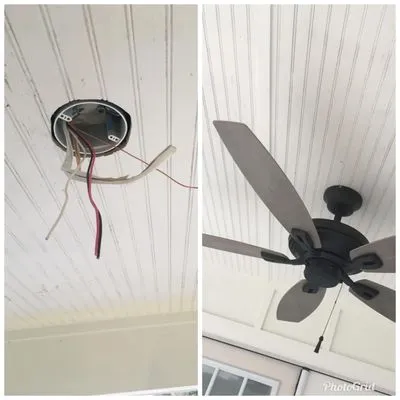
Handyman Henley is a trusted local service provider in Milledgeville, GA, founded by Deonte Henley with over 20 years of hands-on experience. Starting with basic tools like a push lawnmower and pressu...
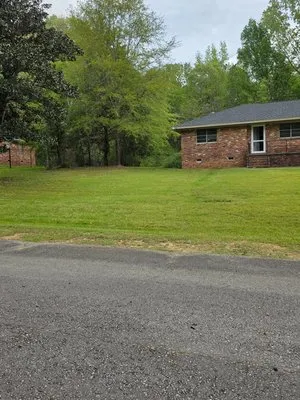
Legacy Landscaping
Legacy Landscaping serves Milledgeville, GA, as a dedicated local team focused on creating and maintaining beautiful, healthy outdoor spaces. We specialize in comprehensive landscape design, ongoing m...
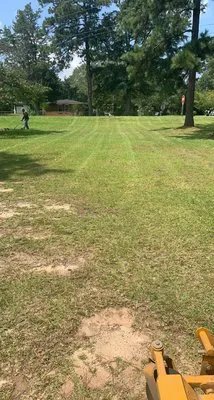
Whitehead Solutions is a Milledgeville-based contractor specializing in landscaping, painting, and pressure washing services. We help local homeowners tackle common issues like soil compaction and ove...
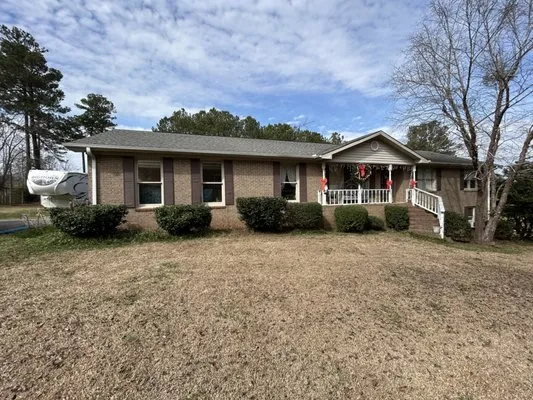
Collins Lawn Care in Milledgeville, GA, is a locally owned and operated business dedicated to providing reliable lawn and tree services for residential and commercial properties. With a focus on integ...
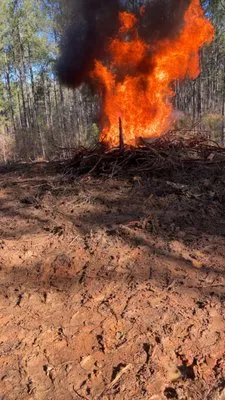
Culberson & Son Land Management
Culberson & Son Land Management is a family-owned and operated business serving Milledgeville, GA, with comprehensive land management solutions. As landscape architects, designers, and excavation spec...

X-Avier's Lawn Care is a trusted Milledgeville company specializing in lawn care, demolition, and firewood services. We understand that local homes often face landscaping challenges like storm debris ...

Lakefront Landscaping and Property Care helps homeowners in Milledgeville and around Lake Sinclair achieve the outdoor space they envision. Founded in 2018, we start by listening to your goals, then p...

For over 30 years, Harris & Co has been the trusted local source for dependable lawn and irrigation services in Milledgeville and the surrounding Middle Georgia communities. As a family-owned and oper...
FAQs
What permits and licenses are needed for regrading my 0.25-acre lot?
Grading that moves more than 50 cubic yards of soil requires a permit from the Milledgeville Planning & Zoning Department. Contractors must hold active licensing through the Georgia Department of Agriculture Landscape/Turf program. For 0.25-acre lots, this ensures proper erosion control during construction. Unlicensed grading risks fines up to $5,000 and may void property insurance if drainage patterns are altered improperly.
What's the best solution for yard flooding in our clay-heavy soil?
Moderate runoff in Cecil Sandy Loam soils requires addressing both surface and subsurface drainage. Installing French drains with clean gravel and perforated pipe at 18-inch depth intercepts groundwater saturation. Surface solutions include permeable concrete pavers, which the Milledgeville Planning & Zoning Department approves for meeting runoff reduction standards. Grading slopes away from foundations at 2% minimum completes an integrated drainage system.
Are permeable pavers worth the extra cost compared to wood decking?
Permeable concrete pavers offer superior longevity, with 40+ year lifespans versus wood's 15-25 years with maintenance. Their 30% void space allows stormwater infiltration, reducing runoff by approximately 50%. For Moderate Fire Wise Rating (WUI Zone 2) areas, pavers create defensible space without combustible materials. While initial cost is higher, lifetime maintenance is significantly lower than wood's staining and replacement cycles.
How do I control invasive plants without chemical runoff concerns?
Common invasive alerts in Zone 8b include Chinese Privet and Japanese Stiltgrass. Manual removal during early growth stages prevents seed spread. For established infestations, targeted glyphosate applications in fall minimize impact on native species. All treatments follow Georgia BMP guidelines, requiring soil tests before any phosphorus fertilizer use. This prevents nutrient runoff into local watersheds while effectively managing invasives.
Why does my Downtown Milledgeville yard have such poor drainage and compacted soil?
Properties built around 1974, like many in Downtown Milledgeville, have soils that have matured for 52 years. The Cecil Sandy Loam (Ultisol) common here naturally develops a dense clay sublayer that restricts water movement. Over decades, foot traffic and equipment have compacted the topsoil, reducing permeability. Core aeration and adding 2-3 inches of composted organic matter annually can rebuild soil structure and improve percolation rates.
How do I keep my TifTuf Bermuda healthy during Milledgeville's water restrictions?
Stage 1 water restrictions allow efficient irrigation when using Wi-Fi ET-based weather sensing technology. This system calculates evapotranspiration rates daily, applying only the precise water needed for TifTuf Bermuda's 0.8-inch weekly requirement. Programming separate zones for turf and planting beds prevents overwatering. This approach maintains turf health while reducing municipal water use by 30-40% compared to traditional timer-based systems.
Can I reduce lawn maintenance while supporting local ecology?
Replacing high-maintenance turf with native plantings like Purple Coneflower, Eastern Redbud, Beautyberry, and Switchgrass creates a resilient landscape. These species require no weekly mowing, eliminating gas-powered equipment noise that faces increasing restrictions. Native plantings support pollinators year-round while reducing water needs by 60-70%. This approach aligns with 2026 biodiversity standards and prepares for potential electric equipment mandates.
How quickly can you respond to an emergency tree cleanup after a storm?
Our electric maintenance fleet can dispatch from Georgia College & State University within 15 minutes, using US Highway 441 for optimal routing. We maintain a 20-30 minute peak storm response window for Downtown Milledgeville properties. This rapid deployment ensures compliance with HOA deadlines while operating quietly within the 7:00 AM to 9:00 PM noise ordinance hours using battery-powered equipment.
