Top Landscaping Services in McDonough, GA, 30252 | Compare & Call
There are 222 landscaping companies server in Mcdonough GA
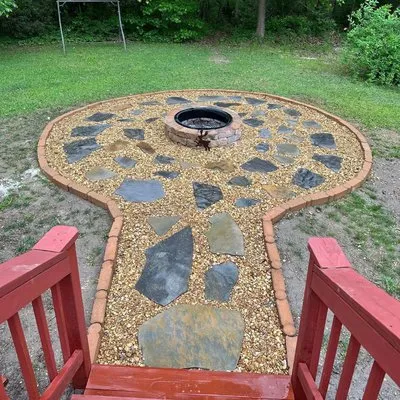
JP Stonework is a trusted local contractor in Stockbridge, GA, specializing in masonry, landscaping, and tree services. We understand the common challenges homeowners face, such as storm debris cleanu...
Ruby's Lawn Care is a dedicated lawn service provider serving McDonough, GA, and surrounding Henry County communities. We specialize in comprehensive lawn care solutions designed to tackle common loca...
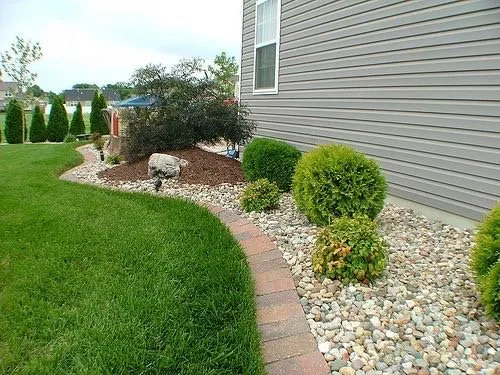
Green Yardigans is your local McDonough, GA partner for comprehensive outdoor solutions. We specialize in pressure washing, junk removal, and lawn services, offering a reliable one-stop shop for all y...
GF Alliance in McDonough, GA, is a trusted local business specializing in lawn services and junk removal to tackle common landscaping challenges faced by homeowners in the area. Many homes in McDonoug...
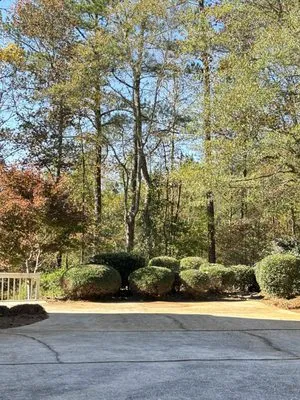
Locke’s Lawn Recovery serves homeowners in McDonough, GA, specializing in comprehensive lawn care to tackle common local landscaping challenges. We understand that issues like soil compaction from hea...
The Local Lawn Pros is a McDonough-based landscaping company dedicated to transforming outdoor spaces for homeowners in our community. We specialize in comprehensive lawn care, irrigation solutions, a...
Southern Roots is a trusted landscaping company serving McDonough, GA, and surrounding Henry County communities. We specialize in revitalizing residential properties by directly addressing common loca...

Christian Living Cuts is a McDonough-based landscaping company founded on Christian values, where owner Todd leads a team dedicated to providing reliable, strategic lawn and shrub care. We specialize ...
Hamilton's Land Aid is a veteran-owned landscaping and tree service company proudly serving McDonough, GA, and the surrounding Henry County communities since 2020. Founded on a commitment to integrity...
Southern Image Landscape is a trusted McDonough, GA landscaping company dedicated to enhancing outdoor spaces and solving common local yard problems. We specialize in addressing issues like tree root ...
Estimated Landscaping Service Costs in McDonough, GA
Frequently Asked Questions
What's the best solution for my yard's constant standing water?
High clay content in Cecil Sandy Loam creates compaction-related runoff that overwhelms conventional drainage. Installing modular concrete pavers with permeable joints allows 80-90% of stormwater to infiltrate naturally. This approach meets McDonough Planning & Zoning Department runoff standards while reducing erosion. For severe cases, we recommend French drains combined with soil amendments to improve percolation rates in problem areas.
Are concrete pavers better than wood for McDonough patios?
Modular concrete pavers offer 30+ year longevity versus wood's 10-15 year lifespan in Georgia's humid climate. Their non-combustible nature supports Moderate Fire Wise ratings by creating defensible space in high-risk zones. Unlike wood, pavers resist termites and moisture damage while maintaining permeability for stormwater management. This material requires minimal maintenance and won't warp or splinter during temperature extremes common in Zone 8a.
Should I replace my high-maintenance lawn with native plants?
Transitioning to Eastern Redbud, Purple Coneflower, Oakleaf Hydrangea, Little Bluestem, and Beautyberry reduces maintenance by 60-70%. These natives thrive in USDA Zone 8a without chemical inputs or frequent watering. This shift prepares your property for evolving noise ordinances that restrict gas-powered blowers. Xeriscaping with drought-tolerant natives also creates habitat corridors that support 2026 biodiversity standards for urban landscapes.
How quickly can you respond to an emergency tree cleanup after a storm?
Our electric maintenance fleet can dispatch from the Historic Henry County Courthouse area within 20-30 minutes during peak response times. We route via I-75 to access Downtown McDonough neighborhoods efficiently. Emergency cleanup operations comply with the 7 AM to 9 PM noise ordinance window using battery-powered equipment. This rapid response prevents further property damage while meeting HOA compliance deadlines.
How do I control invasive species without harming my garden?
Cogongrass and Japanese stiltgrass pose significant threats in Henry County's urban-wildland interface. Manual removal before seed set proves most effective for small infestations. For larger areas, targeted herbicide applications follow state-regulated BMPs, avoiding phosphorus unless soil tests indicate deficiency. Treatment timing avoids local fertilizer ordinance blackout dates while preventing collateral damage to native Beautyberry and Oakleaf Hydrangea populations.
What permits and licenses are needed for grading my 0.35-acre lot?
Grading projects exceeding 100 cubic yards of earth movement require permits from the McDonough Planning & Zoning Department. Contractors must hold Georgia Department of Agriculture licensing for soil erosion and sediment control. On 0.35-acre lots, even minor regrading can trigger review if it alters drainage patterns affecting neighboring properties. Professional licensing ensures compliance with state BMPs and protects against liability from runoff issues.
Why does my McDonough yard have such poor drainage and compacted soil?
Downtown McDonough lots built around 2005 have 21-year-old soil profiles that remain immature. The Cecil Sandy Loam (pH 5.5-6.2) common here has developed high clay content from years of foot traffic and conventional maintenance. This ultisol requires core aeration every 2-3 years to restore permeability. Adding 2-3 inches of composted organic matter annually will rebuild soil structure and support healthier turf establishment.
How do I keep my lawn green during McDonough's water restrictions?
Wi-Fi ET-based weather sensing irrigation systems automatically adjust watering schedules based on real-time evapotranspiration data. This technology reduces water use by 20-30% while maintaining TifTuf Bermuda or Tall Fescue health. During Level 1 drought monitoring, these systems stay within municipal limits by skipping cycles after rainfall. Properly calibrated ET controllers can preserve turf quality while cutting annual water consumption by thousands of gallons.
