Top Landscaping Services in Locust Grove, GA, 30234 | Compare & Call

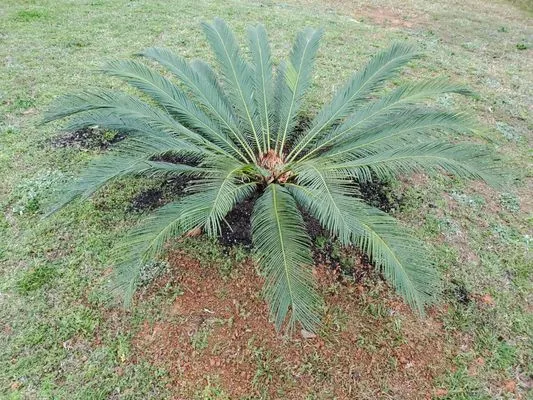
Parker's Property Service is a Locust Grove-based landscaping and tree service company dedicated to enhancing outdoor spaces for homeowners throughout Henry County. We specialize in comprehensive solu...
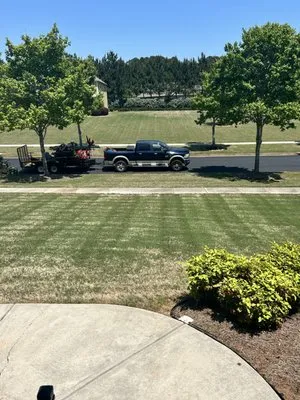
Lil Red Wagon Lawn Care is your dedicated lawn service provider in Locust Grove, GA, focused on creating and maintaining healthy, vibrant lawns for local homeowners. We understand the common challenge...
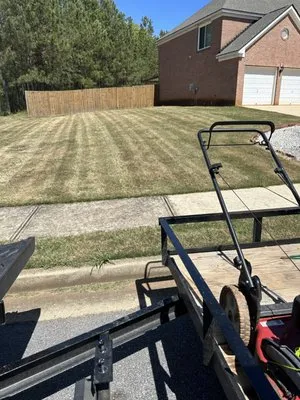
All Season Turf Care is a Locust Grove-based provider specializing in both natural lawn care and artificial turf solutions. We understand the specific challenges homeowners in our area face, such as s...
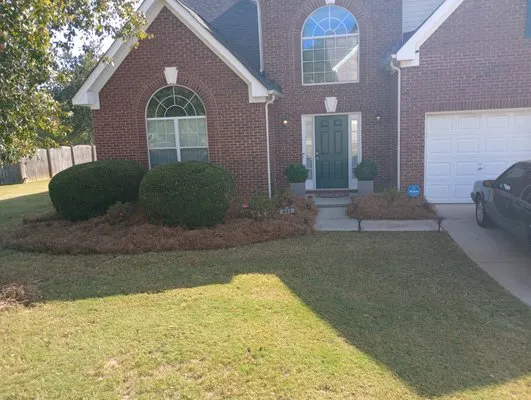
ATR Lawn Care is a family-owned lawn service business based in Locust Grove, GA, established in 2008. With over twenty years of experience, we provide professional and affordable lawn care maintenance...
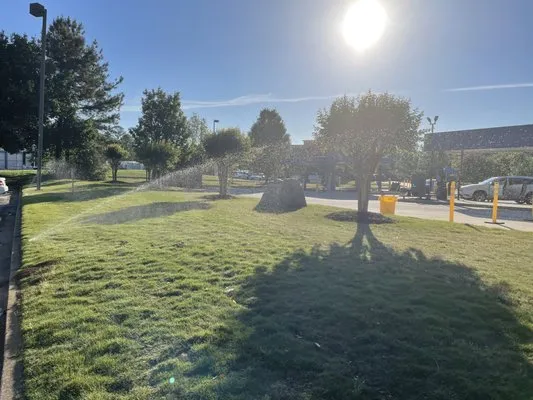
Integrity Irrigation is a Locust Grove-based irrigation and lawn service company with deep roots in sprinkler system expertise. Founded by Stuart Boice, who began learning the trade during his college...

G&A Lawn Care, owned and operated by Gerald Harris in Locust Grove, GA, is a locally-focused residential lawn service dedicated to helping homeowners reclaim their time. We understand the satisfaction...
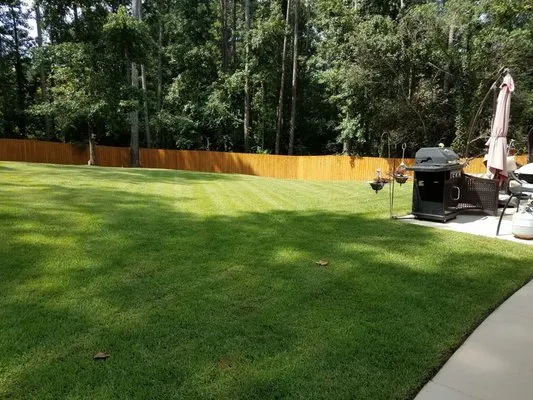
Teaver's TLC Lawn Care is a locally owned and operated business serving Locust Grove and the surrounding counties since 2013. Founded by Robert Teaver, the company grew from a one-man operation focuse...

Cutz By Quay is a Locust Grove-based lawn care and pressure washing service dedicated to enhancing outdoor spaces in our community. We specialize in comprehensive lawn maintenance, including addressin...

Goolsby Landscaping & Maintenance is a trusted, locally-owned landscaping company serving Locust Grove, GA, and surrounding areas. We specialize in comprehensive landscape maintenance and repair servi...

Livingston Landscape is a trusted landscaping company serving Locust Grove, GA, and the surrounding Henry County area. We specialize in comprehensive yard care solutions designed to tackle common loca...
Frequently Asked Questions
What permits and licenses are needed for grading my 0.35-acre property?
Grading work on 0.35 acres requires a permit from the Locust Grove Planning & Zoning Department to ensure compliance with erosion control and drainage regulations. The Georgia State Board of Landscape Architects mandates licensing for professionals designing grading plans that alter water flow patterns or involve significant earth movement. Unlicensed grading can create liability issues if it affects neighboring properties or municipal drainage systems. Proper documentation of soil volumes moved and final elevations is necessary for both permitting and potential resale disclosures.
How should I handle invasive species without harming my landscape?
Common invasive alerts for Zone 8a include Chinese privet, Japanese honeysuckle, and cogongrass, which compete aggressively with native species. Treatment requires precise timing outside Georgia BMP phosphorus application blackout periods, typically late fall through early winter. Mechanical removal followed by targeted herbicide application minimizes soil disturbance and prevents reinfestation. Always conduct soil testing before any treatment to determine specific nutrient needs and avoid unnecessary chemical applications that could violate local ordinances.
What solutions address frequent puddling in my yard after rain?
Moderate surface ponding in Cecil Sandy Loam indicates permeability issues from the high clay content. Installing permeable concrete pavers creates infiltration zones that meet Locust Grove Planning & Zoning Department runoff standards. These pavers allow approximately 5-7 inches per hour of water penetration while providing stable surfaces. Combining this with French drains or dry creek beds in problem areas redirects water without creating erosion hazards. Proper grading ensures water moves away from foundations toward designated drainage points.
Why does my Locust Grove Historic District lawn struggle despite regular care?
Your 2004-built property has soil approximately 22 years old, which in Cecil Sandy Loam Ultisols means minimal organic matter accumulation. This soil type naturally develops a compacted layer that restricts root growth and water infiltration. Core aeration every 2-3 years is essential to break up this compaction and incorporate organic amendments like compost. Without this intervention, the acidic pH range of 5.5-6.0 further limits nutrient availability to both turf and ornamental plants.
How can I maintain healthy turf while following water conservation guidelines?
Wi-Fi ET-based weather sensing irrigation automatically adjusts watering schedules according to actual evapotranspiration rates and Stage 1 voluntary conservation parameters. This technology reduces water use by 20-30% compared to traditional timers while maintaining TifTuf Bermuda or Tall Fescue health. The system accounts for local rainfall, humidity, and temperature data to prevent overwatering during humid periods. Properly calibrated ET systems help avoid surface ponding issues common in clay-heavy soils.
What low-maintenance alternatives exist for traditional lawn areas?
Transitioning to native plantings like Eastern Redbud, Oakleaf Hydrangea, Purple Coneflower, Switchgrass, and Beautyberry reduces maintenance by 60-70% compared to conventional turf. These species require minimal watering once established and provide year-round visual interest while supporting local pollinators. This approach aligns with evolving electric equipment standards that will phase out gas-powered blowers under noise ordinances. Native plant communities also improve soil health through deeper root systems and natural nutrient cycling.
How quickly can you respond to emergency storm damage for HOA compliance?
Our dispatch from Locust Grove City Hall via I-75 allows arrival within 20-30 minutes during peak conditions. This routing prioritizes major thoroughfores while avoiding residential bottlenecks common in the Historic District. We maintain electric-powered equipment that operates within the 9:00 PM to 7:00 AM noise ordinance restrictions, enabling extended cleanup windows when necessary. Emergency protocols include immediate debris removal and temporary stabilization measures.
Are permeable pavers better than wood for patio construction?
Permeable concrete pavers offer superior longevity with a 25-30 year lifespan compared to wood's 10-15 years, even with regular maintenance. Their non-combustible nature contributes to NFPA WUI Moderate fire-wise ratings by creating defensible space around structures. The permeability rate of 5-7 inches per hour significantly reduces runoff compared to solid surfaces while providing stable footing. Unlike wood, pavers don't require chemical treatments that can leach into soil or regular replacement due to rot and insect damage.
