Top Landscaping Services in Lithia Springs, GA, 30106 | Compare & Call

Mr Cant Stop
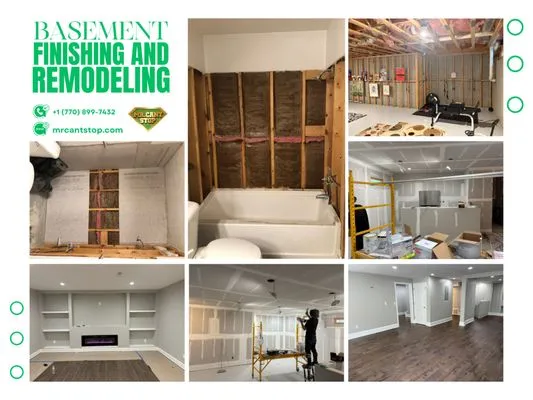
Mr Cant Stop is a locally owned and operated business in Lithia Springs, GA, founded by Reginald (Reggie) with over thirteen years of experience serving Metro Atlanta. Specializing in junk removal, ha...
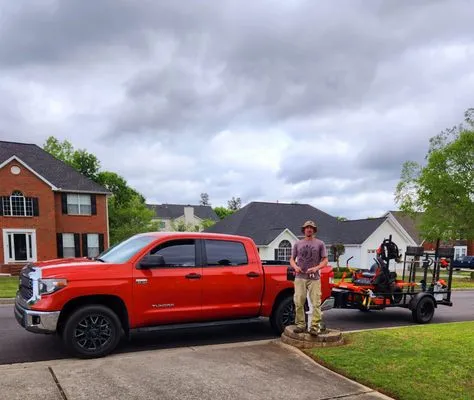
Los Hombre Landscaping is a trusted local landscaping company serving Lithia Springs, GA, and surrounding areas. We specialize in comprehensive lawn care solutions tailored to the specific challenges ...

Living Green Landscaping LLC is a locally owned and operated landscaping business serving Lithia Springs, GA, and the greater Atlanta area. Founded and managed by Severino Rodriguez, the company is de...

Evergreen Landscaping Pro is a family-owned business that began in Atlanta, Georgia, focusing on residential installation work. Over time, we've expanded into commercial lawn maintenance, becoming one...

L&J Lawn Services is a locally-owned and operated lawn care company serving the Lithia Springs community. Founded on principles of hard work and integrity, we've built our reputation by treating every...
Mike's Do It All Services LLC
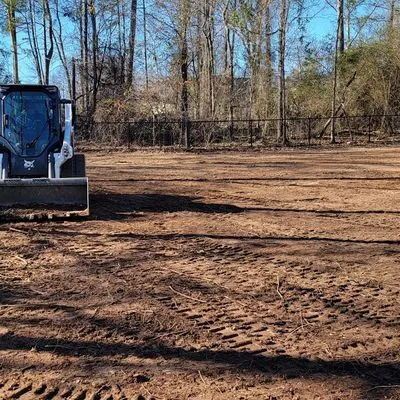
Mike's Do It All Services LLC, founded by Michael Head in April 2010, is a licensed and insured provider serving Lithia Springs and the Metro Atlanta area. Known as a 'jack of all trades,' Mike focuse...

Infinity Scapes is a locally owned and operated landscaping business serving Lithia Springs, GA, with over 30 years of dedicated experience in the industry. Founded on a passion for meticulous quality...
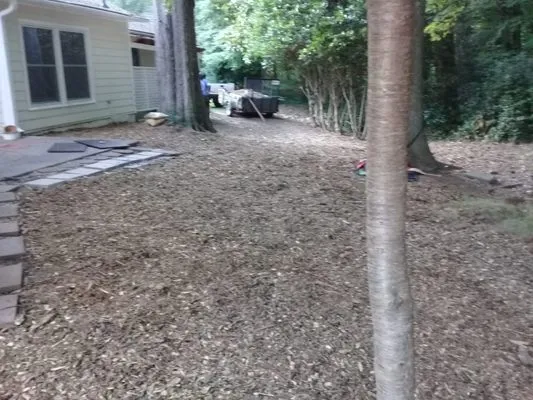
Jaime's Landscaping and Handyman in Lithia Springs, GA, offers a full spectrum of professional landscaping and property care services to enhance and protect your outdoor space. From comprehensive land...
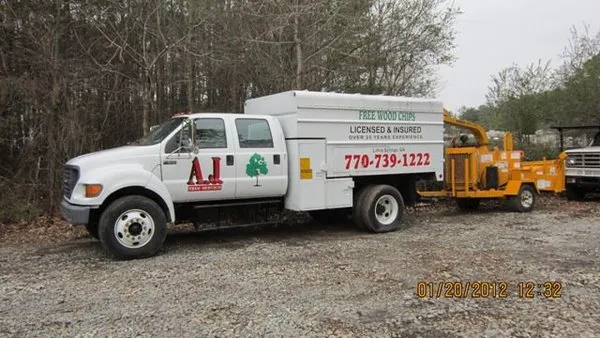
AJ Tree Service
AJ Tree Service is a trusted, locally-owned and operated tree care provider serving Lithia Springs and surrounding communities. With over 30 years of hands-on experience, we bring a deep understanding...
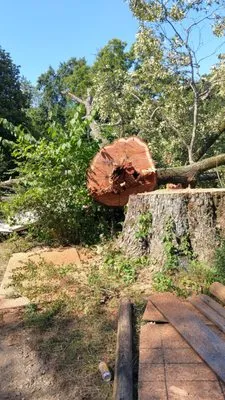
Georgia Tree & Landscaping has been serving Lithia Springs, GA, and nearby communities for over two decades, providing reliable tree care and landscaping solutions. Our experienced team focuses on enh...
FAQs
I want to reduce mowing and maintenance; what are my best native plant options?
Transitioning turf areas to a palette of regionally native plants like Oakleaf Hydrangea, Purple Coneflower, and Switchgrass significantly reduces water, fertilizer, and mowing demands. These plants are adapted to Zone 8a and our acidic soil, forming resilient ecological relationships. This shift also aligns with evolving municipal codes, reducing reliance on gas-powered equipment ahead of tighter noise and emission ordinances.
Does regrading my backyard require a permit or a special contractor license?
Yes. Significant grading on a 0.45-acre lot that alters water flow or involves substantial cut/fill typically requires a land disturbance permit from the Douglas County Department of Planning and Zoning. The contractor performing this work must hold appropriate licensing through the Georgia Secretary of State Professional Licensing Boards. This ensures the work meets engineering and environmental standards, protecting you from liability and future drainage issues.
Why does my soil seem so dense and unproductive compared to the woods at Sweetwater Creek State Park?
Homes in Sweetwater Creek Estates, built around 1988, sit on nearly 40-year-old residential soil. Original construction compacted the native Cecil Sandy Clay Loam, destroying its natural structure and organic matter. Without intervention, this Ultisol remains dense, acidic (pH 5.5-6.0), and low in biology. Annual core aeration and incorporating composted organic matter are essential to rebuild soil tilth and support healthy root systems.
A storm brought down limbs; how fast can a crew respond for an emergency cleanup?
For urgent HOA compliance or safety issues, a dispatch from our base near Sweetwater Creek State Park allows for a 35-50 minute arrival during peak traffic. The route via I-20 to Sweetwater Creek Estates is optimized for storm response. Crews operate electric chippers and haulers to comply with local noise ordinances, enabling efficient work within the restricted hours for such emergencies.
My yard pools water after heavy rain; what's a lasting solution for this clay soil?
Moderate runoff is common in Cecil clay loam due to its low permeability. The primary solution is improving soil infiltration through aeration and adding organic compost. For hardscapes, specify permeable concrete pavers, which allow water to percolate into the subsoil rather than becoming surface runoff. This approach often meets Douglas County's stormwater management standards and directly mitigates the compaction hazard.
Are permeable pavers a better long-term choice than wood for a new patio?
For longevity and low maintenance in Lithia Springs, permeable concrete pavers outperform wood. They do not rot, warp, or attract termites, and their permeability directly addresses local drainage concerns. From a fire-wise perspective, pavers provide a superior non-combustible material for creating the defensible space required in Moderate (WUI Zone 2) rated areas, enhancing property resilience.
How can I keep my Tall Fescue lawn healthy under Lithia Springs's year-round water conservation rules?
Stage 1 water restrictions mandate efficient use. A Wi-Fi ET-based irrigation controller is critical; it automatically adjusts schedules using local weather data and evapotranspiration rates. This system delivers precise water volumes only when the turfgrass needs it, preventing overwatering. For TifTuf Bermuda, deep, infrequent watering cycles encourage drought-tolerant roots, keeping the lawn within municipal limits while preserving its health.
What are the most aggressive weeds here, and how do I manage them responsibly?
In established lawns, invasive species like Chamberbitter and Virginia Buttonweed are primary alerts. Management begins with proper cultural practices—mowing at correct height and soil health—to outcompete weeds. For chemical intervention, use targeted post-emergent herbicides and always select products with zero phosphorus to comply with statewide turf fertilizer restrictions. Correct timing in early growth stages is more effective and uses fewer inputs.
