Top Landscaping Services in LaFayette, GA, 30728 | Compare & Call

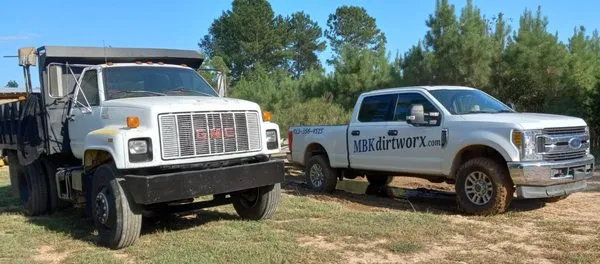
MBK Dirtworx is a LaFayette-based excavation and demolition service built on a foundation of genuine care for people and a passion for the work. Owner Michael isn't new to the dirt work industry; for ...
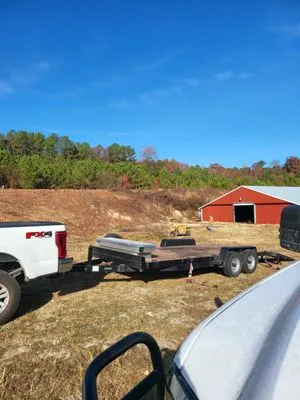
Scenic City Stump Grinding & More is a locally owned and operated landscaping and tree service company based in LaFayette, GA. With over a million dollars invested in specialized equipment, we provide...

Key Master Of Decks And Patios is a LaFayette-based outdoor living specialist serving homeowners throughout the area. We focus on transforming exterior spaces with durable, well-crafted decks, patios,...
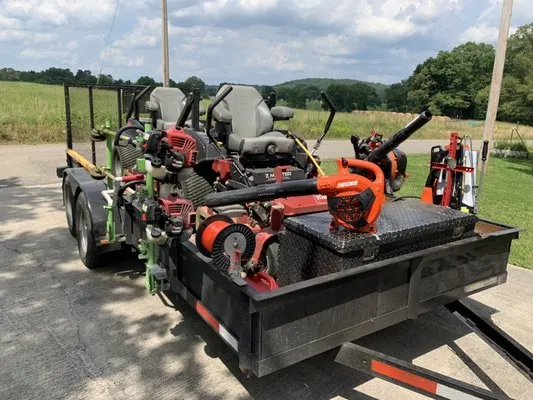
Josh's Lawn Care is a locally owned and operated lawn service in LaFayette, GA, with deep roots in the community. Owner Joshua Shields brings over 20 years of lawn care experience, having started the ...
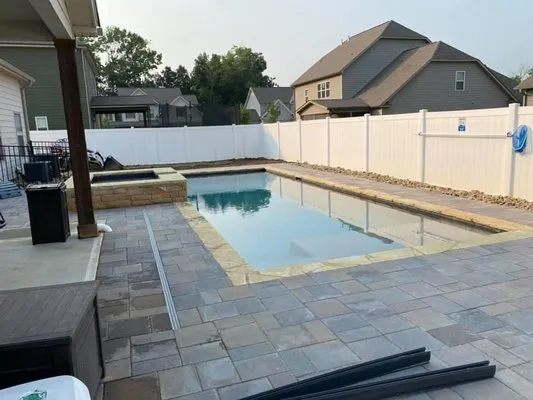
For over a decade, Ground Xperts has been a trusted, family-owned landscaping and excavation company serving Lafayette, GA. We take great pride in transforming our clients' visions into tangible reali...
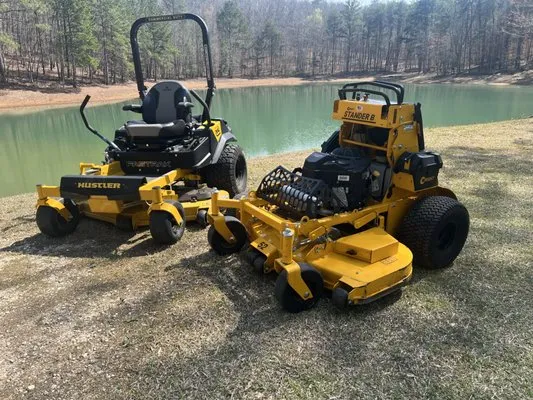
TopTier Grounds is your local partner for premium lawn care and outdoor maintenance in LaFayette, GA. We specialize in residential and commercial services, including mowing, edging, mulching, power wa...

Letson's Outdoor Services is a locally owned and operated business dedicated to maintaining the beauty and functionality of properties in LaFayette and across the North Georgia region. With a focus on...
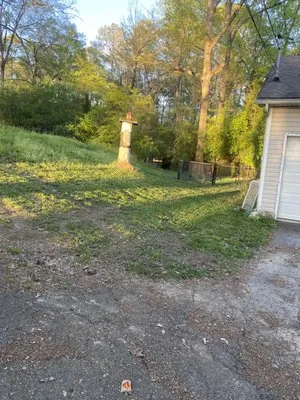
Brysen's Lawncare is a local, owner-operated service based right here in LaFayette, GA. Founded by Brysen, a motivated 17-year-old starting his first business, this service is built on a foundation of...
Walnut Grove Landscape & Construction
Walnut Grove Landscape & Construction is a LaFayette, GA-based company dedicated to solving the specific landscaping challenges homeowners in our area face. We specialize in addressing common local is...
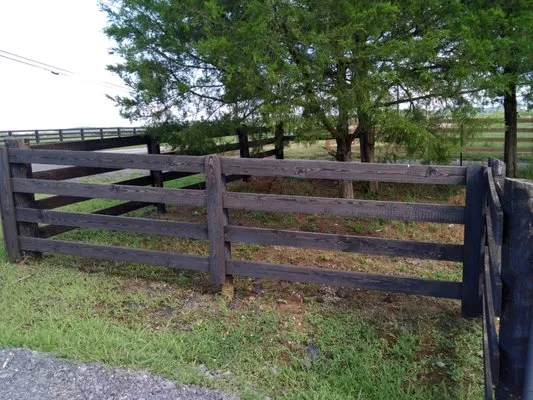
Welcome to S.C.O. Repairman, your local team in LaFayette, GA. While our business is new, we bring over a decade of combined, hands-on experience in mobile home repair, handyman services, and landscap...
Questions and Answers
Are concrete pavers better than wood for patio materials in our climate?
Concrete pavers and fieldstone outperform wood in LaFayette's Zone 7b conditions, lasting 25+ years versus wood's 10-15 year lifespan with maintenance. These materials resist moisture damage common in acidic clay soils and don't require chemical treatments. For Moderate fire-wise rated areas, non-combustible hardscapes create defensible space when installed with proper clearance from structures. Permeable paver systems additionally manage runoff while providing stable surfaces that resist frost heave better than poured concrete.
How quickly can you respond to an emergency tree cleanup after a storm?
Emergency cleanup crews dispatch from Joe Stock Memorial Park via US Highway 27, reaching most Downtown LaFayette properties within 20-30 minutes during peak storm conditions. Our electric maintenance fleet operates within standard noise limits (7:00 AM-9:00 PM) without violating ordinances. We prioritize HOA compliance issues with same-day assessment, documenting damage for insurance claims while securing hazardous branches immediately.
What solutions work for high runoff problems in clay soil yards?
Clay compaction in Ultisols creates high runoff that overwhelms traditional drainage systems. Installing permeable concrete pavers or fieldstone allows 40-50% of rainwater to infiltrate naturally, meeting City of LaFayette Planning & Zoning Department runoff standards. French drains with clean gravel and geotextile fabric redirect subsurface water, while rain gardens planted with Virginia Sweetspire absorb excess moisture. These approaches reduce erosion and prevent foundation water damage common in 0.35-acre lots.
Should I replace some lawn with native plants to reduce maintenance?
Transitioning high-maintenance turf to Eastern Redbud, Purple Coneflower, Switchgrass, Butterfly Weed, and Virginia Sweetspire reduces mowing frequency and aligns with 2026 biodiversity standards. Native plantings require minimal irrigation once established and support local pollinators year-round. This approach stays ahead of evolving noise ordinances targeting gas-powered blowers, as native beds need less frequent cleanup. Properly designed xeriscaping can cut water use by 50-75% while creating visual interest through seasonal blooms.
How can I maintain healthy turf while following Georgia's water restrictions?
Wi-Fi ET-based weather sensing irrigation calculates evapotranspiration rates specific to LaFayette's Zone 7b climate. This system adjusts watering schedules daily, applying precise amounts to Tall Fescue or TifTuf Bermuda during optimal hours. Under normal state-monitored restrictions, smart controllers reduce water use 20-30% while preserving turf health. Deep, infrequent watering encourages deeper root growth that withstands drought periods better than frequent shallow irrigation.
Why does my Downtown LaFayette yard have such poor drainage and compacted soil?
LaFayette's 1968 average house age means soil has matured for 58 years without significant intervention. Downtown lots typically feature Ultisols, acidic clay loam with pH 5.5-6.2, which naturally compacts and restricts water movement. This soil type develops hardpan layers that reduce permeability, requiring core aeration every 2-3 years. Adding organic amendments like composted pine bark improves soil structure and increases microbial activity for better plant health.
What permits and licenses are needed for regrading my yard?
Grading work on 0.35-acre lots requires City of LaFayette Planning & Zoning Department permits for any elevation changes exceeding 6 inches or affecting drainage patterns. Professionals must hold Georgia Board of Landscape Architects certification for designs involving retaining walls over 4 feet or significant earth moving. Erosion control measures meeting Georgia Soil and Water Conservation Commission standards must be implemented before work begins. Unlicensed grading can violate municipal codes and create liability for downstream water issues.
How do I control invasive species without violating fertilizer regulations?
Japanese stiltgrass and Chinese privet pose significant invasive risks in LaFayette's Moderate Wildland-Urban Interface zone. Manual removal before seed set in early spring prevents spread without chemicals. For persistent infestations, targeted herbicide applications follow Georgia EPD Nutrient Management Guidelines, avoiding blackout dates typically in summer months. Introducing competitive native species like Switchgrass crowds out invaders naturally. Soil testing ensures any amendments support desired plants without encouraging weed growth.
