Top Landscaping Services in Johns Creek, GA, 30005 | Compare & Call

All Star Landscapes & Lawn Care
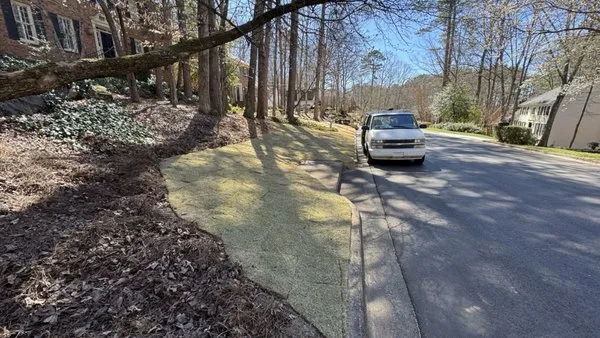
All Star Landscapes & Lawn Care is a licensed Johns Creek-based company providing comprehensive landscaping and lawn care services for residential and commercial clients throughout Gwinnett County and...
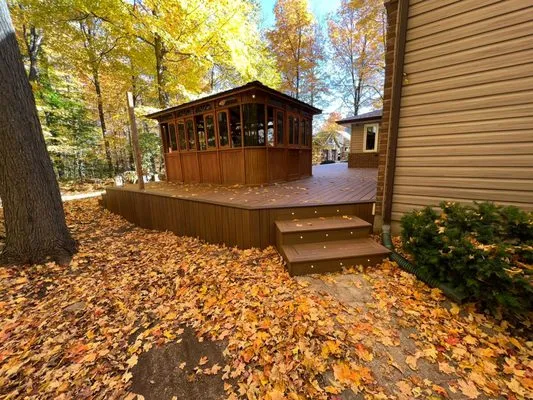
RockDeck is a licensed outdoor construction company based in Johns Creek, GA, founded by a civil engineer with over 10 years of experience. We specialize in deck construction, railing systems, balconi...
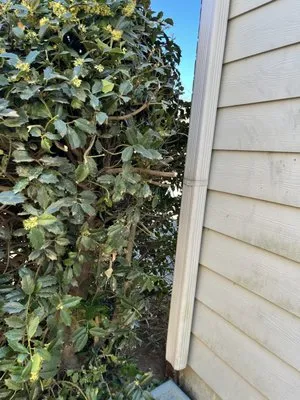
For over a decade, Johns Creek Lawn Care has been the trusted local provider for homeowners and property investors throughout Johns Creek, Georgia. We understand that a well-maintained lawn is a point...
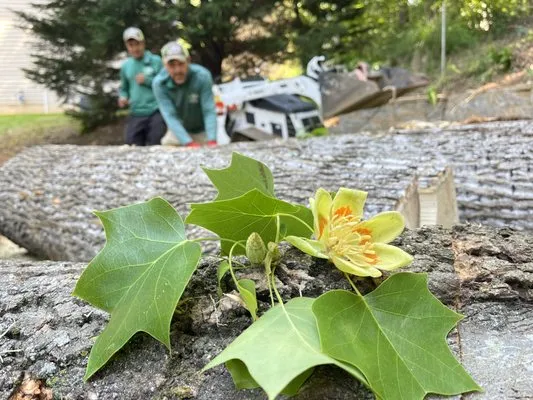
North Spring Gardening brings over 15 years of professional landscaping and tree service experience to Johns Creek, GA. Founded by a Lithuanian immigrant who learned gardening basics from their mother...
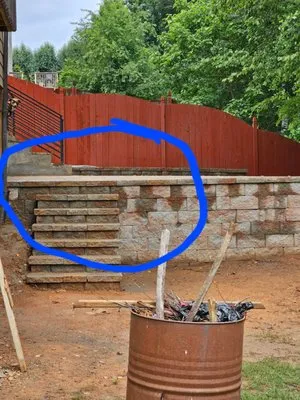
Paver Master Landscape & Construction is a Johns Creek-based company specializing in comprehensive outdoor transformation. With expertise in landscaping, masonry, and construction, we build durable pa...
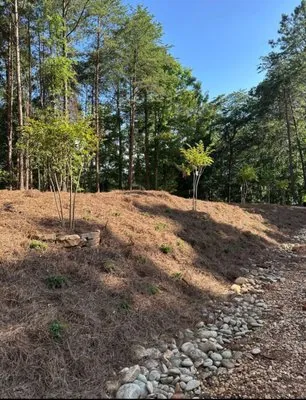
All Around Landscape & Designs LLC is a locally owned and operated Johns Creek landscaping company dedicated to helping you get the most from your outdoor space. We understand your property is a major...

MTS Lawns and Landscapes is a Johns Creek, GA-based lawn care company dedicated to helping local homeowners maintain healthy, functional outdoor spaces. We specialize in addressing common local landsc...
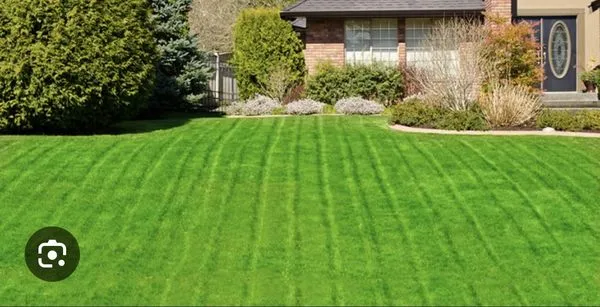
Eco Lawn Care is a Johns Creek-based lawn service provider specializing in sustainable solutions for local homeowners. We address common Johns Creek lawn issues like patchy grass and moss growth throu...
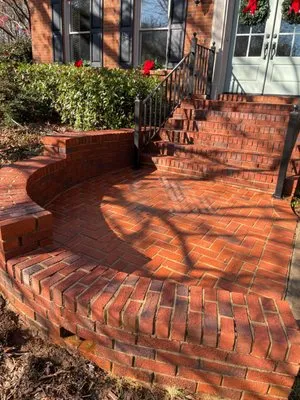
Rinse & Mow is a locally owned and operated business in Johns Creek, GA, founded by a team of motivated high school students who formed their own LLC. We bring a fresh perspective and dedicated work e...
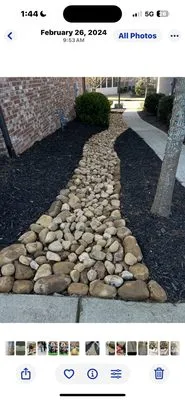
CC Pro Lawn Maintenance is a Johns Creek, GA-based lawn care service dedicated to keeping local lawns healthy and vibrant. Many homes in the area face common landscaping challenges like lawn insect da...
Questions and Answers
What's the best solution for chronic drainage problems in my Johns Creek yard?
Heavy clay compaction creates high runoff rates exceeding 90% in untreated Ultisols. Permeable concrete pavers installed with 2-3 inch gravel bases achieve 5-10 inch per hour infiltration rates, meeting Johns Creek Community Development Department runoff standards. These systems redirect surface water through joints into subsurface reservoirs, reducing erosion by 60-80%. Combined with French drains in problem areas, this approach addresses both immediate pooling and long-term soil saturation issues.
How quickly can you respond to an emergency tree cleanup after a storm in Johns Creek?
Our electric fleet dispatches from Autrey Mill Nature Preserve via GA-141 (Peachtree Pkwy) within 20-30 minutes during peak conditions. This routing avoids residential congestion while meeting noise ordinance restrictions before 7:00 AM. We prioritize HOA compliance issues with same-day assessment, using battery-powered equipment that operates within decibel limits. Storm response protocols include immediate debris containment and soil erosion prevention measures.
How do I keep my Tall Fescue lawn green during Johns Creek's water restrictions?
Stage 1 water advisories require ET-based smart controllers that adjust irrigation to actual evapotranspiration rates, typically reducing water use 20-30%. These systems integrate local weather data to skip cycles during rainfall and increase efficiency during dry spells. For Tall Fescue in Zone 8a, deep watering at 0.75-1 inch weekly during early morning hours maintains root health while staying within municipal limits. Properly calibrated systems can preserve turf quality while using 25% less water than traditional timers.
What permits and licenses are needed for major landscaping work on my 0.45-acre Johns Creek property?
Grading or earthmoving exceeding 50 cubic yards requires a land disturbance permit from Johns Creek Community Development Department, with engineered drainage plans for slopes over 15%. Contractors must hold Georgia Department of Agriculture licensing for pesticide application and irrigation installation. Professional landscape architects need state certification for designs affecting more than 0.25 acres, particularly when modifying natural drainage patterns. These requirements ensure compliance with local erosion control standards and protect adjacent properties in Medlock Bridge's mature neighborhood context.
Why does my Johns Creek yard have such dense, compacted soil that water just pools on top?
Medlock Bridge homes built around 1995 sit on 30-year-old Ultisols, acidic clay loam that compacts severely over time. This soil type naturally hardens with age, reducing percolation rates below 0.5 inches per hour. Core aeration with 3-4 inch depth and 2-3% organic matter amendments are necessary to restore soil structure and microbial activity. Without intervention, root zones become anaerobic, limiting turf and native plant establishment.
Are permeable pavers better than wood decking for my Johns Creek patio?
Permeable concrete pavers offer 25+ year lifespans versus wood's 10-15 years in Georgia's humid climate, with minimal maintenance requirements. Their 95% permeability rate significantly reduces runoff compared to impervious surfaces, supporting Moderate Fire Wise rating compliance through better water management. Unlike wood, they don't require chemical treatments that can leach into soil, and their thermal mass moderates microclimate temperatures. For defensible space in urban interface zones, pavers create fire-resistant barriers without compromising drainage.
How can I reduce lawn maintenance while supporting local ecology in Johns Creek?
Replacing high-maintenance turf with Oakleaf Hydrangea, Purple Coneflower, and Switchgrass creates biodiverse landscapes requiring 75% less water and no weekly mowing. These natives establish deep root systems that improve soil structure and support pollinators year-round. Transitioning to electric maintenance equipment ahead of noise ordinance enforcement eliminates gas-blower restrictions while reducing carbon emissions. Such designs typically increase property percolation capacity by 40% compared to traditional lawns.
What invasive species should I watch for in Johns Creek, and how do I treat them safely?
Japanese stiltgrass and Chinese privet pose significant threats in Medlock Bridge, outcompeting natives and altering soil chemistry. Treatment requires targeted herbicide applications during active growth phases, avoiding phosphorus-containing products without soil test documentation as per local ordinance. Manual removal before seed set in late summer prevents spread while maintaining soil microbiome health. Always schedule treatments outside blackout dates and consider mycorrhizae inoculants to support native plant recovery.
