Top Landscaping Services in Gainesville, GA, 30501 | Compare & Call
There are 204 landscaping companies server in Gainesville GA
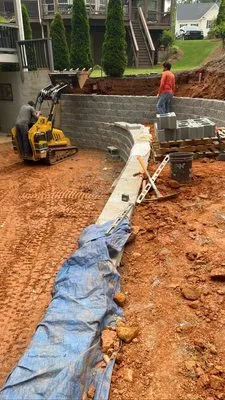
ADH Landscaping has been transforming outdoor spaces in Loganville, GA, for years, building lasting relationships with clients we treat like family. Our team specializes in comprehensive landscaping, ...
Reyes Landscape is a trusted local landscaping company serving Gainesville, GA, and the surrounding Hall County area. We specialize in diagnosing and treating the most common lawn problems that homeow...

Lobo Landscape in Buford, GA, is a locally owned and operated landscaping business founded by Edgar Ramirez. What began as a personal passion for outdoor work and helping neighbors has evolved into a ...
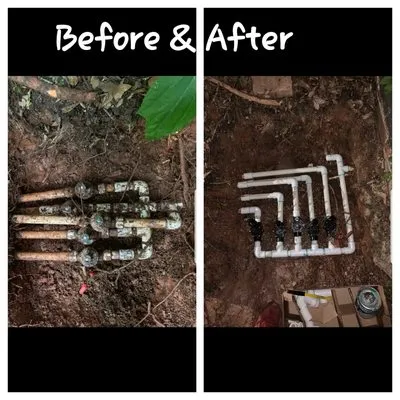
Reality Land Development
Reality Land Development is a Cumming-based, family-owned landscaping and irrigation company serving Forsyth County and the surrounding North Georgia communities. We specialize in transforming outdoor...
JC Lawn Care Services is a trusted, locally-owned lawn care provider serving homeowners and businesses in Gainesville, GA. We specialize in comprehensive lawn care designed to create and maintain heal...
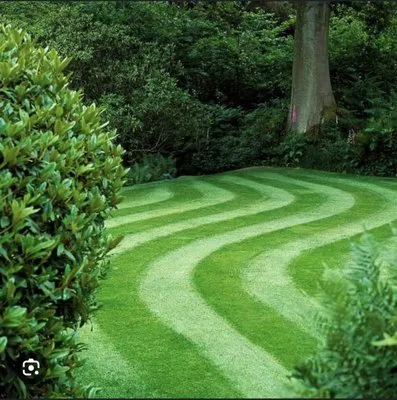
Quantum Landscaping is a full-service landscaping company serving Buford, GA, specializing in comprehensive solutions for residential properties. We address common local issues like standing water in ...

AC Landscaping & Maintenance is a family-owned and operated business serving Lawrenceville and all of Gwinnett County. Founded on a commitment to personalized service and local expertise, we provide p...
BP Septic is a locally owned and operated business in Dahlonega, GA, founded by Billy and Courtney P. With over two decades of specialized experience in septic systems, excavation, and grading, Billy ...
Castillo Landscape is a trusted local landscaping company serving homeowners in Gainesville, GA. We specialize in addressing common landscaping challenges faced by many area residents, such as overgro...
Jordan's Landscaping is a trusted local landscaping company serving homeowners throughout Gainesville, GA. We specialize in comprehensive lawn and landscape care, helping residents maintain beautiful,...
Estimated Landscaping Service Costs in Gainesville, GA
Frequently Asked Questions
Is a wood deck or a stone patio better for longevity and fire safety?
Granite pavers or modular concrete blocks offer superior longevity and align with Fire Wise WUI Zone 2 compliance requirements for defensible space. Unlike wood, these non-combustible materials do not require chemical treatments and are impervious to rot and insect damage. A properly installed hardscape of this type creates a permanent, low-risk zone adjacent to the home, enhancing both safety and property value.
What are the biggest weed threats and how do I handle them safely?
Invasive species like Japanese stiltgrass and Chinese privet are primary alerts. Control requires a targeted pre-emergent herbicide application in early spring, timed before the local fertilizer ordinance's blackout periods for nutrient application. Manual removal for small infestations is effective. Always begin with a soil test to avoid unnecessary phosphorus application, which is prohibited by state law unless a deficiency is confirmed.
My yard floods and erodes on slopes. What's a permanent solution?
Piedmont clay compaction creates high erosion risk by preventing infiltration. The solution integrates subsurface French drains with surface regrading to divert water. Using permeable materials like granite pavers for patios or walkways increases ground absorption, helping meet Gainesville Community Development Department's runoff standards. This combined approach addresses the saturated clay layer directly, protecting your landscape's integrity.
My lawn looks thin and water just runs off. Is this typical for my neighborhood's age?
Properties in the Green Street Historic District, built around 1992, have 34-year-old landscapes. The underlying Cecil Sandy Clay Loam has likely become severely compacted over decades, reducing permeability and root growth. This Ultisol soil naturally trends acidic, and years of nutrient leaching can drop pH below optimal levels for turf. Core aeration and incorporating compost are critical to rebuild soil structure and counteract this site-specific maturity issue.
How do I keep my Tall Fescue green during summer water restrictions?
Gainesville's Stage 1 odd/even watering schedule requires precise management. A Wi-Fi ET-based irrigation controller uses local weather data to apply only the water lost to evapotranspiration, eliminating overwatering. For Tall Fescue, this means deep, infrequent cycles that encourage drought-resistant roots while strictly adhering to municipal limits. Properly calibrated, this system maintains turf health within the annual water budget.
A storm knocked down limbs. How fast can a crew get here for an emergency cleanup?
For urgent HOA compliance or safety issues, we dispatch crews from a central staging area near Gainesville Square. Using I-985, our estimated peak response time to the Green Street Historic District is 20-30 minutes. Our electric fleet is exempt from certain noise ordinance restrictions during daylight emergency operations, allowing for immediate deployment of chippers and loaders to secure the property quickly.
What permits and credentials should I verify before hiring for a major regrading project?
Any significant grading or earth-moving on a 0.35-acre lot requires a permit from the Gainesville Community Development Department. You must hire a contractor licensed by the Georgia Secretary of State Professional Licensing Boards for landscape contracting. This ensures they are bonded, insured, and knowledgeable about state-mandated erosion and sediment control plans, which are legally required to prevent off-site runoff and environmental damage.
I'm tired of weekly mowing. Are there lower-maintenance options?
Replacing high-input turf with a native plant palette of Switchgrass, Oakleaf Hydrangea, and Purple Coneflower drastically reduces maintenance. These adapted species require no supplemental irrigation once established and support local biodiversity. This transition also future-proofs your property against evolving noise ordinances that restrict gas-powered equipment, as native beds need only seasonal care with electric tools.
