Top Landscaping Services in Fitzgerald, GA, 31750 | Compare & Call


Mack's Yard Care is a veteran-owned and operated landscaping service proudly serving homeowners in Fitzgerald, Ben Hill, Irwin, and Tift counties. Founded on principles of integrity and meticulous att...
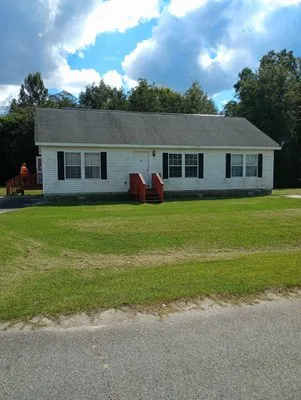
T&T Lawn Service is Fitzgerald's trusted partner for comprehensive outdoor solutions, specializing in landscaping, tree care, and pressure washing. Serving the Fitzgerald community, we address common ...
WK Lawn Care Services is a trusted local provider in Fitzgerald, GA, specializing in comprehensive lawn and tree care. We understand that many homes in our community face common landscaping challenges...
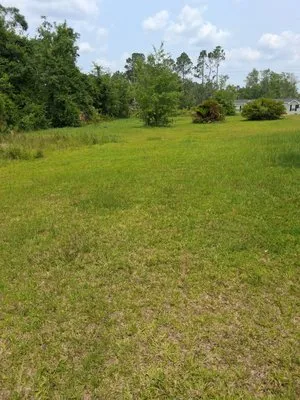
Griffin's Lawn Care is your trusted local partner for a healthier, more vibrant lawn in Fitzgerald, GA. We understand the common challenges local homeowners face, such as unsightly dead patches and ov...
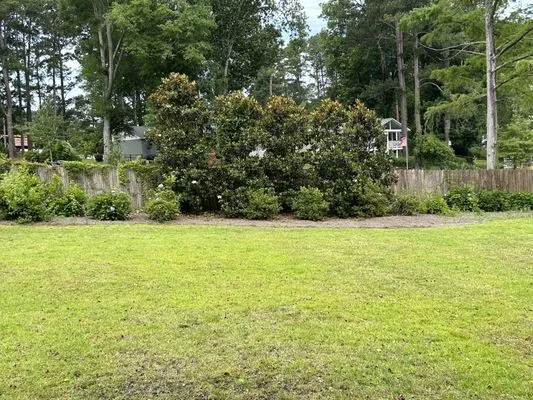
Code Red Landscaping is Fitzgerald's trusted partner for essential lawn and gutter services. We understand the specific challenges local homeowners face, from sprinkler system leaks that waste water a...
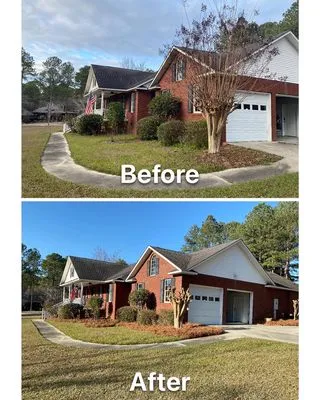
Fitzgerald Lawn Solutions is a family-owned lawn care and landscape maintenance company based in Fitzgerald, GA, founded by Sam Rodgers. What began as a side business has grown into a trusted local pr...
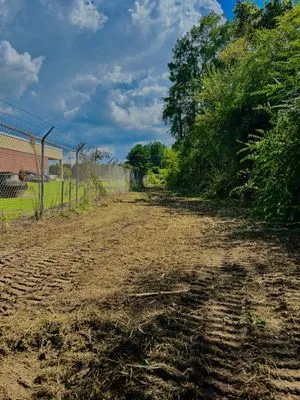
Padgett Land Services is a full-service Fitzgerald, GA landscaping and construction company dedicated to transforming and maintaining local properties. We specialize in addressing common local issues ...
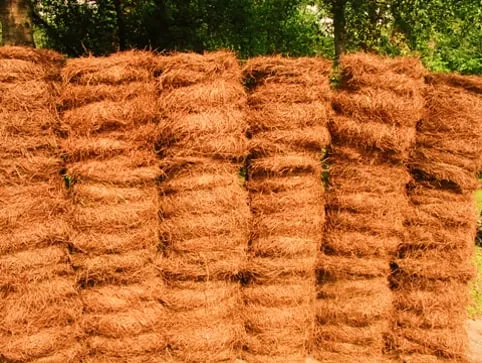
Landscape Unlimited Pinestraw
Landscape Unlimited Pinestraw is a licensed pine straw supplier based in Fitzgerald, GA, specializing in providing high-quality, hand-raked, hand-baled, and hand-tied pine straw for both residential a...

Jones Lawn Care is a trusted local lawn service provider in Fitzgerald, GA, specializing in comprehensive lawn care solutions tailored to the area's specific challenges. We understand that Fitzgerald ...
Swain & Swain Lawn Services is a locally-owned lawn care provider dedicated to maintaining healthy, vibrant landscapes for homeowners and businesses in Fitzgerald, Georgia. We specialize in comprehens...
Frequently Asked Questions
Are concrete pavers a better long-term choice than wood for a patio?
For longevity and low maintenance, concrete pavers are superior to wood in our climate. They do not rot, warp, or attract termites. Their modular design allows for excellent permeability and can be reset if settling occurs. From a safety perspective, their non-combustible nature contributes to defensible space, which supports the Firewise USA Program's recommendations for creating a moderate-risk zone around your home.
How do I keep my lawn green during summer without violating water restrictions?
Fitzgerald's Stage 1 water restrictions allow for efficient watering. A Wi-Fi ET-based irrigation system is the solution. It automatically adjusts run times using local weather data to replace only the water lost to evapotranspiration. This technology ensures TifTuf Bermuda or Centipede grass receives precise moisture, preventing overwatering and keeping you compliant with municipal limits while maintaining turf health.
What permits or licenses are needed to regrade my backyard?
Regrading a 0.25-acre lot often requires a permit from the Fitzgerald Planning & Zoning Department, especially if it alters stormwater flow patterns. Furthermore, the design and oversight of such earthwork should be performed by or under the direction of a professional licensed by the Georgia Department of Agriculture Landscape Architect Board. This ensures the work complies with state BMPs for erosion control and protects you from liability related to drainage impacts on adjacent properties.
My soil seems dense and drains poorly. Is this common for a house built in the 1970s?
Yes, it is typical. Homes built around 1973 in Downtown Fitzgerald are on 53-year-old landscapes. The original Tifton Sandy Loam soil has likely become compacted from decades of construction and maintenance, reducing its percolation rate. This compaction, combined with the soil's naturally acidic pH of 5.5-6.0, can inhibit root growth and microbial activity. To restore soil health, core aeration followed by amending with composted organic matter is recommended to improve structure and nutrient availability.
How quickly can a crew arrive for an emergency cleanup after a storm?
Our standard peak storm response window for Downtown Fitzgerald is 20-30 minutes. Our dispatch is coordinated from a central location near the Grand Theatre, allowing for efficient routing onto US-319. This timeframe accounts for navigating post-storm debris and traffic conditions to begin immediate assessment and mitigation of tree hazards or drainage blockages on your property.
What invasive plants should I watch for, and how do I control them?
In Fitzgerald, be vigilant for invasive species like Chinese Privet and Cogongrass. Manual removal is effective for small infestations. For larger issues, targeted herbicide application is necessary, but timing is critical to comply with state BMP guidelines that prohibit nitrogen applications during turf dormancy. Always apply treatments according to label instructions and consider consulting a licensed professional to ensure safe, effective control that protects surrounding natives.
My yard has standing water after heavy rain. What's the best fix?
This is a common issue with Tifton Sandy Loam and our area's seasonal high water table. The solution involves improving site permeability. A French drain system can intercept subsurface water, while regrading directs surface runoff away from foundations. Replacing solid concrete with permeable concrete pavers for patios or walkways also reduces runoff volume, helping meet Fitzgerald Planning & Zoning Department standards for on-site water management.
I want a quieter, lower-maintenance yard. What are my options?
Transitioning to a landscape anchored by native plants like Southern Magnolia, Beautyberry, Purple Coneflower, and Switchgrass significantly reduces maintenance. These adapted species require less water, no frequent mowing, and minimal fertilization. This shift also aligns with evolving noise ordinances by reducing reliance on loud gas-powered blowers and mowers, moving you toward a more sustainable and tranquil landscape infrastructure.
