Top Landscaping Services in Fayetteville, GA, 30214 | Compare & Call

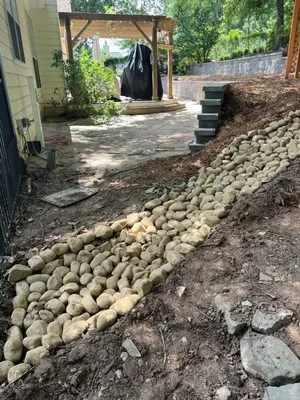
Landscape Concepts is a Fayetteville-based landscape company offering a comprehensive approach to outdoor living. We manage projects from the initial design concept through to final construction and i...
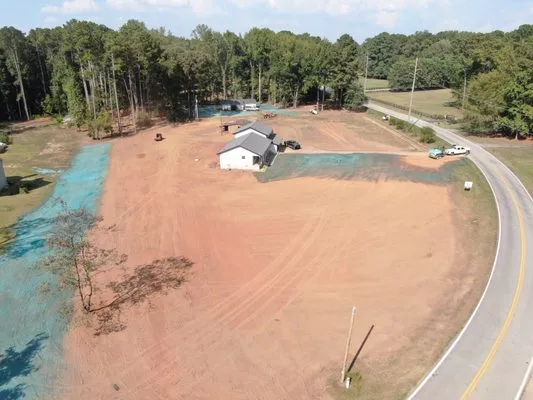
Southern Earthworks is a Fayetteville-based excavation, tree, and landscaping company serving homeowners throughout the area. We specialize in comprehensive solutions for common local yard problems li...
High Quality Lawn Maintenance, established in 2019, provides reliable lawn care and property maintenance services to Fayetteville, GA. We specialize in yard cleanups and ongoing maintenance, offering ...
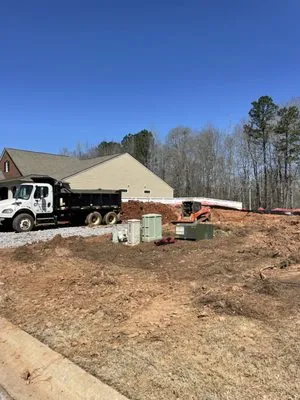
B&N Lawn Maintenance is a trusted local lawn service provider in Fayetteville, GA. We offer reliable and affordable lawn care, including weekly and bi-weekly maintenance plans, tailored to meet the sp...
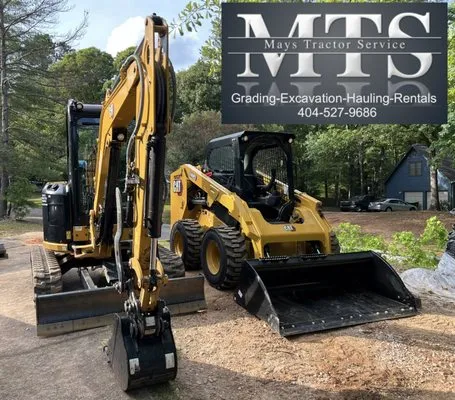
Mays Tractor Service is a family-owned business rooted in Fayetteville, GA, born from a lifelong passion for earthmoving. After over 25 years of industry experience, the Mays family started their own ...
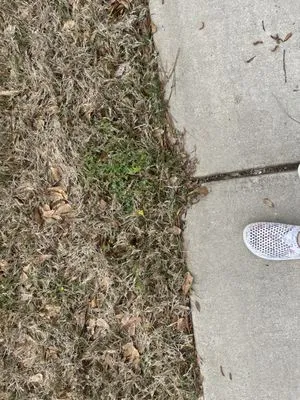
Nature's Turf has been serving Fayetteville and the greater Atlanta area since 1977, growing from a single customer to thousands. As a team of dedicated lawn professionals, we focus on continuous educ...
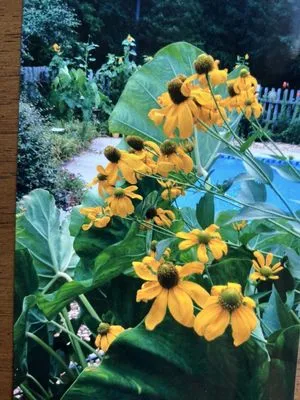
Art of Landscaping
Art of Landscaping is a family-owned business serving Fayetteville, GA, with deep roots in the community. We specialize in comprehensive landscaping services, from design and construction to ongoing m...
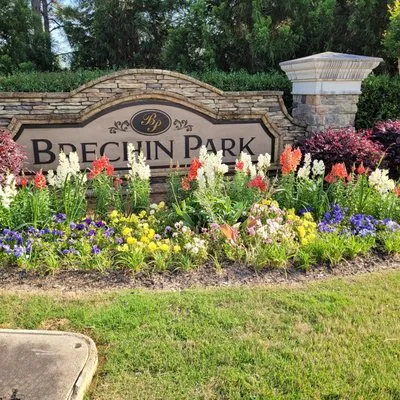
Flowers for Friends - Landscaping Services began as a small Fayetteville business dedicated to restoring flower beds. We've grown into a full-service landscaping company that cares for your entire yar...
Garcia General Services
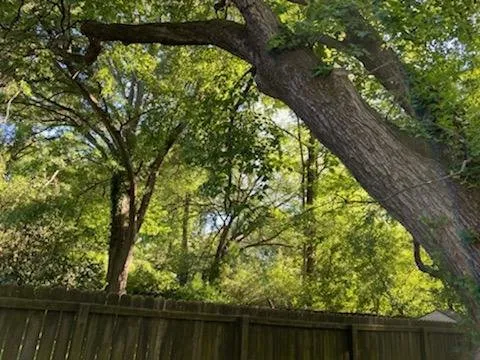
Garcia General Services is a Fayetteville, GA-based landscaping, tree service, and fencing company dedicated to enhancing local outdoor spaces. As a locally owned and operated business, we build our r...

Jesse's Lawn Service is a trusted, locally owned provider of comprehensive lawn and tree care in Fayetteville, GA. We specialize in tackling the common local issues of poor lawn grading and dead lawn ...
Questions and Answers
What permits and licenses are needed for major landscape renovations?
Grading work on 0.35-acre lots requires Fayetteville Planning and Zoning Department approval for any soil movement exceeding 50 cubic yards. Contractors must hold Georgia Department of Agriculture Landscape Contractor Board licensing for projects involving irrigation systems or structural changes. This ensures proper erosion control during construction and compliance with state-mandated best management practices for stormwater runoff in our sensitive ultisol watersheds.
How can I maintain healthy turf while following Fayetteville's water restrictions?
Stage 1 conservation standards require precise water management. Wi-Fi ET-based weather sensing irrigation systems calculate actual evapotranspiration rates for your specific micro-climate. This technology applies exactly what TifTuf Bermuda or Tall Fescue needs without exceeding municipal limits. Properly calibrated systems reduce water use by 20-30% compared to traditional timers while maintaining turf health through Georgia's summer heat periods.
How quickly can you respond to an emergency tree cleanup after a storm?
Our electric maintenance fleet can dispatch from the Fayette County Courthouse area within 30 minutes during peak response times. We route via GA-85 to minimize travel through residential corridors while adhering to standard noise restrictions. This allows same-day assessment and debris removal for most Downtown Fayetteville properties, particularly important for HOA compliance situations requiring immediate attention to fallen limbs or damaged landscaping.
Are concrete pavers better than wood for patio construction?
Modular concrete pavers offer superior longevity with 25+ year lifespans versus wood's 8-12 years in our humid climate. Their non-combustible nature supports Moderate Fire Wise ratings by creating defensible space around structures. Unlike wood that requires annual sealing, pavers maintain integrity with minimal maintenance while providing stable surfaces that don't shift with Georgia's freeze-thaw cycles. Proper installation includes geotextile barriers to prevent weed penetration.
What's the best solution for standing water in my yard after heavy rain?
Compacted clay layers in Cecil Sandy Loam create low infiltration rates that trap surface water. Installing French drains with gravel channels redirects water away from foundations. For hardscape areas, modular concrete pavers with permeable joints meet Fayetteville Planning and Zoning Department runoff standards by allowing gradual infiltration. These systems work together to manage the 2-3 inch per hour rainfall events common in our USDA Zone 8a climate.
Why does my Fayetteville yard have such poor drainage and compacted soil?
Downtown Fayetteville lots built around 1997 have approximately 29 years of soil maturity. The Cecil Sandy Loam ultisols common here naturally develop compacted clay layers with low permeability over time. Weekly mowing and foot traffic accelerate this process, reducing infiltration rates to concerning levels. Core aeration with organic amendments like composted pine bark is essential to restore soil structure and improve percolation in these established landscapes.
Should I replace some lawn with native plants to reduce maintenance?
Transitioning high-maintenance turf areas to Purple Coneflower, Black-eyed Susan, and Switchgrass stands reduces mowing frequency by 60-70%. These deep-rooted natives require minimal irrigation once established and support local pollinator populations. This approach aligns with evolving noise ordinances that increasingly restrict gas-powered equipment, while creating habitat corridors that exceed 2026 biodiversity standards for residential landscapes.
How do I control invasive plants without harming my landscape?
Japanese stiltgrass and Chinese privet pose significant threats in Fayetteville's wooded interfaces. Manual removal before seed set in early spring prevents spread without chemicals. For persistent infestations, targeted glyphosate applications during dormancy periods avoid violating Georgia's phosphorus restrictions. Always conduct soil testing first, as many apparent deficiencies in ultisols actually result from pH imbalance rather than nutrient lack.
