Top Landscaping Services in Dunwoody, GA, 30338 | Compare & Call
There are 222 landscaping companies server in Dunwoody GA

Ramos Landscape Services is a full-service landscaping and gutter company serving Stone Mountain, GA. We specialize in transforming and maintaining outdoor spaces with services ranging from landscape ...
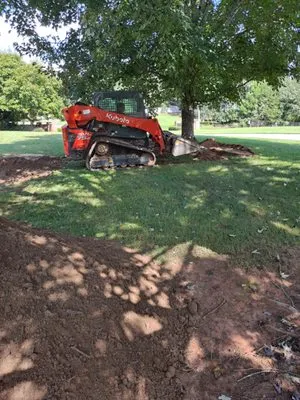
John's Bobcat Services in Waleska, GA, is a locally owned and operated business with deep roots in the construction and landscaping industries. Owner John began his career installing drywall, eventual...

Nutri Green Lawn Care is a family-owned Roswell business with deep roots in the North Fulton community. Founder T.J. began his career in 1994 with a national lawn care chain, gaining extensive industr...
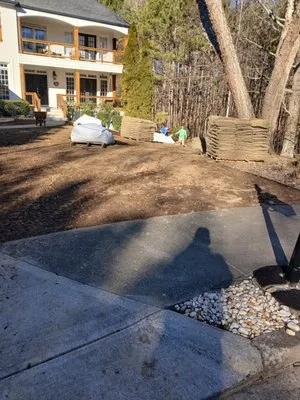
Cherokee Hills Lawn Care is a Canton, GA-based landscaping company founded by local homeowner John Hill, who transformed his passion for yard perfection into a professional service after winning the C...

Chopper’s Landscaping Company
Chopper's Landscaping Company is a locally owned and operated business serving Marietta and the East Cobb area of Georgia. We specialize in comprehensive outdoor care, including landscape design, lawn...
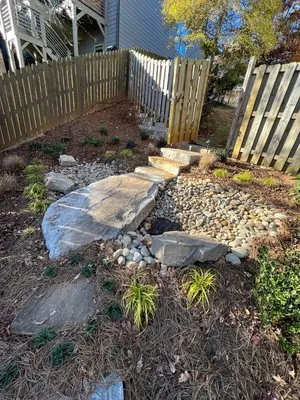
ATL Irrigation and Landscape
ATL Irrigation and Landscape is a family-owned, licensed, and insured business based in Snellville, GA, serving the metro Atlanta area. We specialize in irrigation construction, design, repair, and ma...
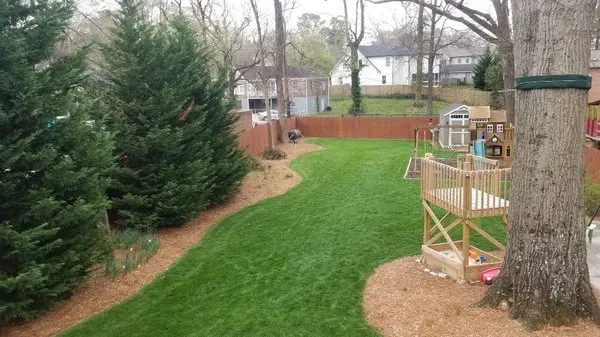
Hard-Pro Landscaping is a full-service landscaping company serving Roswell, GA, specializing in both design and construction. We help local homeowners transform their outdoor spaces with comprehensive...

Superlush Landscaping, LLC is a Sandy Springs-based landscaping company dedicated to helping local homeowners maintain beautiful, healthy yards without the time commitment of doing it themselves. They...
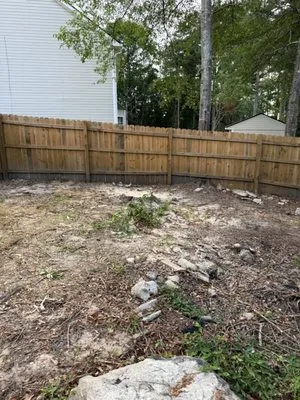
G&M Outdoor Services is a locally owned landscaping and tree care company serving Lilburn, GA. We provide comprehensive outdoor solutions including gardening, lawn care, shrub and tree services—from p...
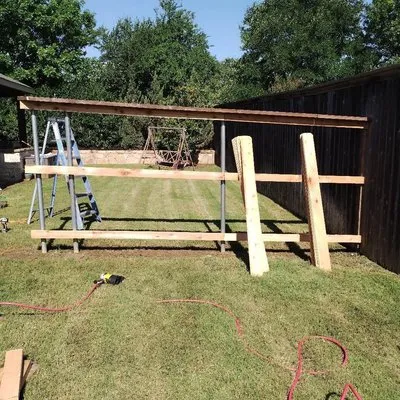
Boer Lawn Care is a full-service landscaping and tree care company serving the East Point, GA community. We specialize in solving common local yard challenges, such as overgrown shrubs that obscure vi...
Estimated Landscaping Service Costs in Dunwoody, GA
FAQs
We've spotted invasive Japanese stiltgrass in our landscape. How should we address it safely?
Japanese stiltgrass requires immediate manual removal before seed set in late summer. Spot-treat remaining patches with glyphosate-free, phosphorus-free herbicides that comply with Dunwoody's fertilizer ordinance. For established invasions, solarization with clear plastic during July-August heats soil to 110°F, eliminating seeds without chemicals. Regular monitoring prevents reestablishment while protecting native plant communities.
Should we choose permeable pavers or wood for our new patio installation?
Permeable concrete pavers offer 25+ year longevity versus wood's 10-15 year lifespan with maintenance. Their non-combustible nature supports NFPA WUI compliance for Dunwoody's moderate fire-wise rating, creating defensible space. The interlocking system accommodates root growth without heaving, while the permeability rate of 500-1000 inches per hour manages runoff better than impervious alternatives in our climate.
Our yard has moderate runoff issues after heavy rains. What solutions work with Dunwoody's soil conditions?
Cecil Sandy Loam's clay-heavy composition creates surface runoff that requires engineered solutions. Permeable concrete pavers installed with proper base layers allow 3-5 inches per hour infiltration, meeting Dunwoody Community Development Department's runoff standards. French drains connected to dry wells provide additional capacity, while grading adjustments of just 2% slope direct water away from foundations effectively.
What low-maintenance alternatives exist for high-water turf areas?
Replacing water-intensive turf with native plant communities reduces maintenance by 60-70%. Eastern Redbud, Oakleaf Hydrangea, Purple Coneflower, and Switchgrass establish deep root systems that require no irrigation after establishment. This transition ahead of 2026 biodiversity standards also eliminates gas-powered blower use, complying with Dunwoody's restricted weekend noise hours while creating habitat corridors.
We need emergency storm debris cleanup to meet HOA compliance deadlines. What's your response protocol?
Our electric maintenance fleet dispatches from Brook Run Park via I-285 to reach Dunwoody Village within 20-30 minutes during peak conditions. We prioritize safety assessments before debris removal, focusing on downed limbs and drainage blockages. All equipment operates within Dunwoody's noise ordinance hours of 7AM-7PM weekdays, ensuring compliance while addressing urgent landscape hazards.
Our Dunwoody Village yard has poor drainage and compacted soil. What's the underlying issue with our lot?
Properties in Dunwoody Village built around 1983 have 43-year-old soil profiles. The Cecil Sandy Loam ultisols common here naturally acidify to pH 5.5-6.0 over decades, reducing permeability. This aging soil structure requires annual core aeration to break up clay-heavy compaction layers. Adding 2-3 inches of composted organic matter each spring improves water infiltration and supports microbial activity in established landscapes.
How can we maintain healthy turf while following Dunwoody's water use rules?
Wi-Fi ET-based weather sensing irrigation systems automatically adjust watering schedules using real-time evapotranspiration data. For Tall Fescue or TifTuf Bermuda in Zone 8a, this technology reduces water use 20-30% while maintaining turf health. The system bypasses watering during rainfall and reduces runtime as temperatures drop, keeping you within municipal water limits without manual adjustments.
What permits and licensing are required for grading work on our 0.45-acre property?
The Dunwoody Community Development Department requires grading permits for any cut/fill exceeding 50 cubic yards on 0.45-acre lots. Georgia Board of Landscape Architects licensing is mandatory for designs involving retaining walls over 4 feet or drainage systems connecting to municipal infrastructure. Certified professionals must supervise soil compaction testing to 95% Proctor density for engineered fills, ensuring long-term stability.
