Top Landscaping Services in Decatur, GA, 30030 | Compare & Call
There are 227 landscaping companies server in Decatur GA
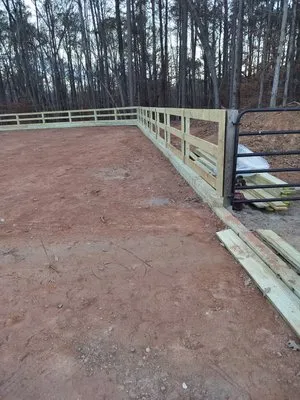
Ramos Landscaping And Retaining Wall is a family-owned and operated business serving Canton, GA, and the surrounding Cherokee County communities. Founded on principles of craftsmanship and reliability...
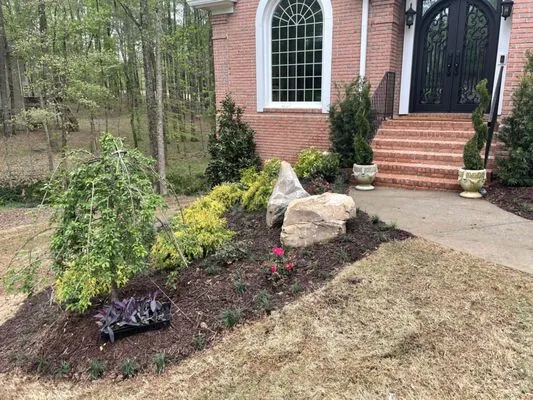
For over 25 years, Georgia Fence Company has been a trusted name in Norcross and the greater Atlanta area, founded by Steve and his partner to fill a need for quality, custom outdoor construction at a...
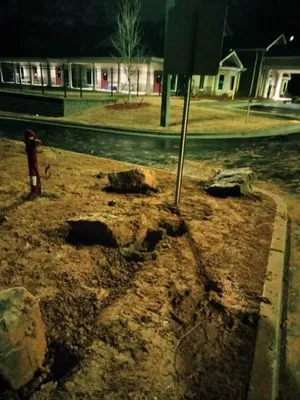
Dirt Cheap Outdoor Solutions
Dirt Cheap Outdoor Solutions is a locally owned and operated business serving Marietta and the surrounding Georgia communities. We focus on dependable, practical solutions for landscaping, excavation,...
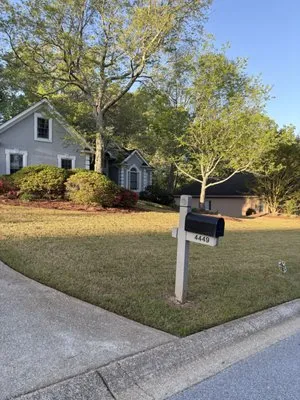
Ms Julio Lawn & Landscaping is a trusted, locally-owned lawn and tree service company serving the Atlanta, GA area. We specialize in comprehensive lawn care, tree planting, pruning, and safe removal t...
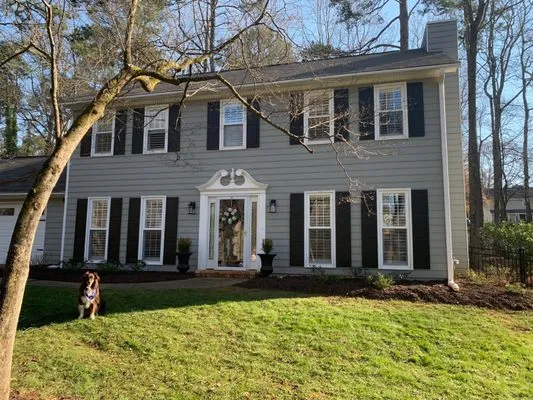
Clear Creek Landscaping is a trusted local expert serving Marietta, GA, specializing in resolving the common yard issues homeowners face. We understand that standing water in your yard and leaky sprin...
Greater Vinestone Group
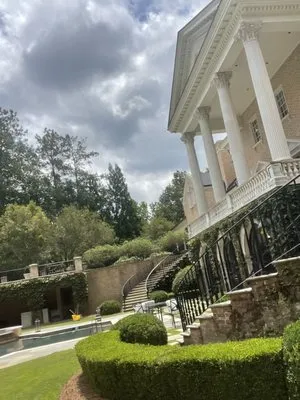
Greater Vinestone Group is your trusted Dunwoody neighbor for transforming outdoor spaces. We specialize in comprehensive landscaping, including precise sod installation and expert tree care, alongsid...
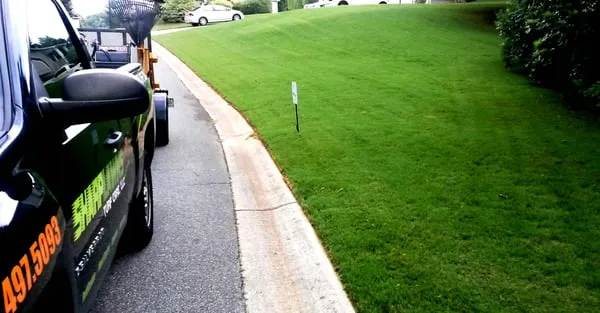
Sharplawns Turf Care is a locally owned lawn service in Dallas, GA, founded in 2012 by Brad, who brings nearly 20 years of green industry experience from the metro Atlanta area. After working for larg...

Ramos Landscape Services is a full-service landscaping and gutter company serving Stone Mountain, GA. We specialize in transforming and maintaining outdoor spaces with services ranging from landscape ...

Nutri Green Lawn Care is a family-owned Roswell business with deep roots in the North Fulton community. Founder T.J. began his career in 1994 with a national lawn care chain, gaining extensive industr...
Chopper’s Landscaping Company
Chopper's Landscaping Company is a locally owned and operated business serving Marietta and the East Cobb area of Georgia. We specialize in comprehensive outdoor care, including landscape design, lawn...
Estimated Landscaping Service Costs in Decatur, GA
Frequently Asked Questions
What permits and licenses are needed for grading my 0.22-acre lot?
Grading work on 0.22-acre lots requires City of Decatur Planning & Development permits for any soil disturbance exceeding 100 square feet. Georgia Secretary of State Professional Licensing Boards mandate specific credentials for contractors performing earthwork that affects drainage patterns. Professional licensing ensures compliance with state erosion control regulations and municipal runoff standards. Unlicensed grading can result in fines and mandatory restoration of improperly disturbed soils.
How do I keep my Tall Fescue healthy during Decatur's water restrictions?
Stage 1 water restrictions in Decatur require ET-based irrigation systems that adjust watering schedules according to real-time weather data. Wi-Fi weather sensing technology calculates evapotranspiration rates to deliver precise moisture levels for cool-season turf. This approach maintains Tall Fescue health while staying within municipal water conservation limits. Properly calibrated systems can reduce water usage by 30-40% compared to traditional timer-based irrigation.
Are permeable pavers better than wood for my Decatur patio?
Permeable concrete pavers offer superior longevity compared to wood in Decatur's humid climate, with 25-30 year lifespans versus wood's 10-15 years. These materials support Moderate Fire Wise ratings by creating defensible space in Urban Wildland Interface zones. Unlike wood, pavers don't require chemical treatments that can leach into soil. Their permeability also addresses Decatur's high runoff concerns while maintaining structural integrity through freeze-thaw cycles.
Why does my Oakhurst yard have such poor drainage and compacted soil?
Decatur's Oakhurst neighborhood features homes averaging 56 years of age, with soil maturity calculated from 1970 construction dates. These properties typically have Ultisols/Cecil clay soil with pH 5.5-6.2, which develops severe compaction and poor percolation over decades. The Piedmont clay composition creates high runoff hazards that require annual core aeration to restore permeability. Adding organic amendments like composted pine bark improves soil structure and supports mycorrhizae networks for long-term health.
Should I replace my high-maintenance lawn with native plants?
Transitioning to Purple Coneflower, Oakleaf Hydrangea, Switchgrass, and Eastern Redbud reduces maintenance requirements ahead of evolving noise ordinances. Native plantings require minimal mowing and eliminate gas-powered blower dependency during restricted hours. These species support 2026 biodiversity standards while adapting to USDA Zone 8a conditions. Established native landscapes typically use 50-75% less water than traditional turfgrass systems.
What's the best solution for my yard's constant standing water issues?
Piedmont clay compaction creates high runoff hazards common in Decatur's Ultisols soil profile. Installing permeable concrete pavers provides surface drainage while meeting City of Decatur Planning & Development runoff standards. These materials allow 80-90% of stormwater to infiltrate rather than contributing to municipal system overload. Combined with French drains and dry creek beds, this approach addresses both surface and subsurface water movement.
How quickly can you respond to an emergency tree cleanup after a storm?
Our electric maintenance fleet can dispatch from Decatur Square within 20-30 minutes during peak storm response periods. We route via I-285 to reach Oakhurst neighborhoods while complying with noise ordinance restrictions on gas-powered equipment. This rapid response time addresses HOA compliance issues and safety hazards from downed limbs. Electric equipment operates within restricted hours of 8:00 AM to 6:00 PM without violating local noise regulations.
How do I treat invasive species without violating fertilizer regulations?
Georgia's low-phosphorus application protocols require targeted treatment of invasive species like Japanese stiltgrass and Chinese privet. Mechanical removal combined with spot-applied organic herbicides avoids phosphorus runoff into watersheds. Treatment timing should consider local fertilizer ordinance blackout dates to prevent regulatory violations. Soil testing before any application ensures compliance while addressing specific pH imbalances in Cecil clay soils.
