Top Landscaping Services in Dahlonega, GA, 30533 | Compare & Call
There are 137 landscaping companies server in Dahlonega GA
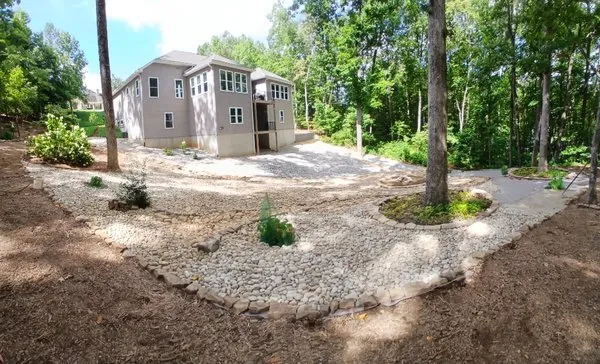
Do You Even Mow Bro in Gainesville, GA is a specialized lawn services business that takes a unique approach by focusing exclusively on transformative yard projects rather than routine lawn mowing. As ...
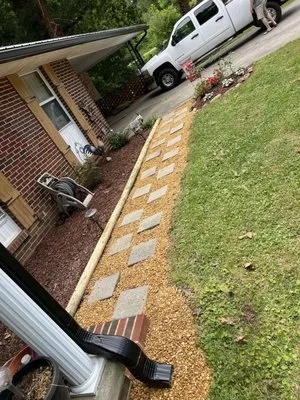
Platinum Landscape is a trusted landscaping company serving Gainesville, GA, specializing in landscape maintenance and lawn care. Many local homes face common issues like tree root lawn damage and law...
Good Timing Lawn Care is a locally-owned lawn service in Gainesville, GA, founded by Ken, who brings over 30 years of professional turf management experience to the community. Originally from Pittsbur...
Ciera Scapes is a Gainesville, GA-based landscaping company dedicated to solving common local yard challenges like mulch bed weeds and lawn fungus disease. We provide tailored solutions that address t...
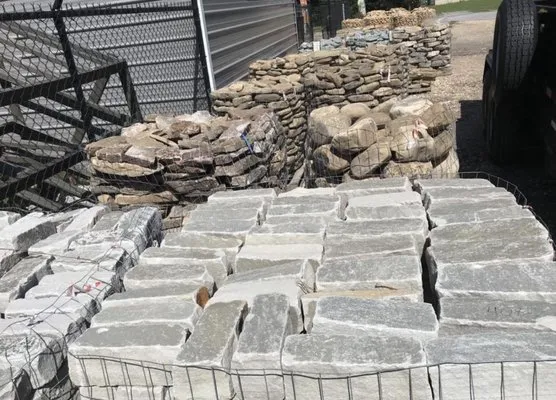
Aqualandscaping & Maintenance is a dedicated landscaping company serving Gainesville, GA, and the surrounding Hall County area. We specialize in resolving common local yard issues like poor drainage f...

AC Landscaping & Maintenance is a family-owned and operated business serving Lawrenceville and all of Gwinnett County. Founded on a commitment to personalized service and local expertise, we provide p...
Jordan's Landscaping is a trusted local landscaping company serving homeowners throughout Gainesville, GA. We specialize in comprehensive lawn and landscape care, helping residents maintain beautiful,...
GLC Landscape Management is a trusted local landscaping company serving Gainesville, GA, and surrounding areas. We specialize in diagnosing and resolving common lawn issues that affect homeowners here...
Touch of Life is a Gainesville, GA landscaping company dedicated to solving common local yard problems like soil compaction and bare lawn patches. We understand that Hall County's climate and soil con...
Matthew's Landscaping & Masonry
Matthew's Landscaping & Masonry is a trusted, locally-owned company serving homeowners and businesses across Alpharetta. We understand the unique challenges of maintaining beautiful outdoor spaces in ...
Estimated Landscaping Service Costs in Dahlonega, GA
FAQs
What invasive species should I watch for, and how do I remove them safely?
In Zone 7b, watch for Japanese stiltgrass, Chinese privet, and Bradford pear seedlings. Manual removal is most effective for small infestations. For chemical control, a targeted, systemic herbicide applied in late summer or fall is often necessary, but you must first conduct a soil test to comply with Georgia's phosphorus-restricted fertilizer ordinance. Always apply during calm, dry weather to prevent drift, and consider soil-applied pre-emergents in early March to prevent annual weed germination.
How quickly can a crew respond for an urgent HOA violation notice or storm damage cleanup?
For emergency service, a dispatch from the Dahlonega Gold Museum area via GA-400 / US-19 allows for a 20-30 minute arrival to most city lots, factoring in peak traffic. Our operational window complies with the 7:00 AM to 9:00 PM noise ordinance, enabling rapid morning mobilization. We prioritize securing the site, removing debris, and executing an initial cut to meet compliance standards, with a detailed restoration plan to follow within 24 hours.
My yard floods after heavy rain. What's the best long-term solution for this clay soil?
High runoff on compacted Piedmont clay is a common drainage hazard. The primary solution is improving soil permeability through deep-tine aeration and adding organic matter. For hardscape areas, specifying local granite set with permeable paver bases creates a stable surface that allows infiltration, meeting Dahlonega Planning and Development Department runoff standards. Integrating a dry creek bed or French drain with these strategies redirects water effectively, protecting foundations and preventing erosion.
How can I keep my Tall Fescue lawn healthy without wasting water under current restrictions?
Wi-Fi ET-based irrigation controllers are essential for Zone 7b conservation. These systems use local evapotranspiration data to apply only the water lost to atmosphere and plant use, bypassing arbitrary timer schedules. For acidic clay loam, this means programming shorter, more frequent cycles to prevent runoff, ensuring water penetrates the root zone of Kentucky-31 or Turf-Type Tall Fescue. This technology typically reduces municipal water use by 20-30% while maintaining turf viability through summer heat.
Why does my soil seem so difficult to work with in this historic neighborhood?
Properties in the Downtown Historic District built around 1999 have 27-year-old soil systems. The original construction compacted the native Piedmont Ultisols, forming a dense, acidic clay loam layer that restricts root growth and water infiltration. This mature compaction now requires systematic intervention, starting with core aeration in fall or spring followed by incorporating compost to improve soil structure and biological activity. Without these amendments, turfgrass and ornamental plants will struggle to establish a resilient root zone.
What are the most impactful changes I can make for a lower-maintenance, eco-friendly yard?
Transitioning high-input turf areas to a layered planting of native species like Oakleaf Hydrangea, Purple Coneflower, and Switchgrass significantly reduces water, mowing, and chemical needs. This xeriscaping approach builds biodiversity and soil health, aligning with 2026 conservation standards. It also future-proofs your property against potential gas-powered equipment restrictions, as established native plantings require minimal seasonal cleanup compared to traditional lawns.
Is local granite a better choice than wood for a new patio or retaining wall?
Local granite offers superior longevity and permeability compared to wood, which decays and requires chemical treatment. Granite's thermal mass also moderates micro-climate temperatures. For a Moderate Firewise USA Community rating, using non-combustible granite for patios or walls within 30 feet of a structure contributes to defensible space. Properly installed permeable granite pavers on a gravel base manage stormwater on-site, a critical factor for drainage planning on 0.35-acre lots.
What permits and licenses are required for a major landscaping or grading project on my property?
Significant grading, drainage alteration, or retaining walls over two feet typically require a permit from the Dahlonega Planning and Development Department. Any contractor applying pesticides or fertilizers must be licensed by the Georgia Department of Agriculture. For a 0.35-acre lot, earthmoving that affects water flow or property lines necessitates a site plan review to ensure compliance with local erosion control and setback ordinances, protecting you from future liability.
