Top Landscaping Services in Cornelia, GA, 30531 | Compare & Call

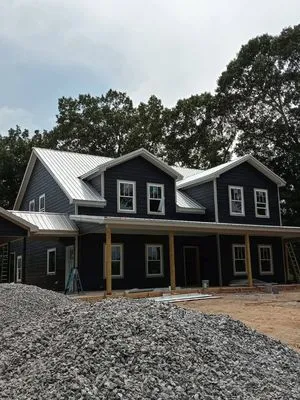
Morales Painting & Landscaping is a trusted, locally-owned company serving Cornelia, GA, and the surrounding communities. For years, we've built our reputation on delivering reliable, high-quality wor...

O&R Landscaping and Hardscaping
O&R Landscaping and Hardscaping is a trusted landscaping design company based in Cornelia, GA, with over 20 years of experience serving both residential and commercial clients across five counties. We...
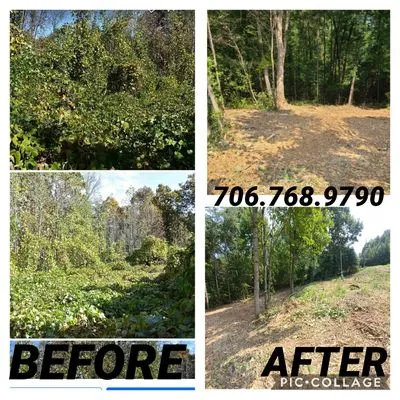
Mulching Solutions NEGA is a locally owned and operated tree service and landscaping company serving Cornelia, GA, and the surrounding Northeast Georgia area. We specialize in comprehensive tree and s...
Founded in 2009 as a dedicated lawn maintenance company, KHW Property Management has grown from its roots in Cornelia, GA, into a trusted, comprehensive property management partner. Over the years, we...
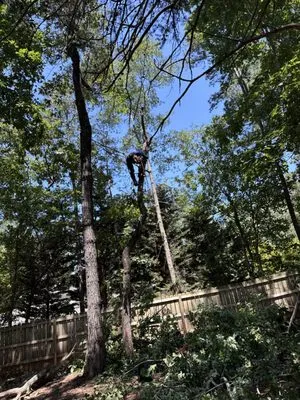
Northern Georgia Outdoor Solutionz is a Cornelia-based landscaping and outdoor services company specializing in comprehensive solutions for local homeowners. With expertise in irrigation systems, land...
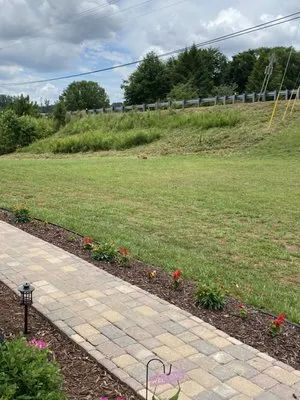
Weaver Landscaping is a family-owned business in Cornelia, GA, with deep roots in the community. Founded by my father and now carried forward by me, his 19-year-old son, we're dedicated to preserving ...
Francisco's Landscaping is a trusted, full-service landscaping company serving Cornelia and the surrounding areas. We specialize in comprehensive outdoor solutions designed for the specific needs of N...
Campbell Landscaping is a trusted local landscaping company serving Cornelia, GA, and surrounding areas. We specialize in addressing common residential landscaping challenges that many homeowners face...
Bailes Pro Services is a trusted local provider in Cornelia, GA, offering comprehensive outdoor solutions including lawn care, tree services, and firewood. We specialize in addressing common local lan...
John's Lawn Care of Northeast Georgia
John's Lawn Care of Northeast Georgia is a trusted local provider serving Cornelia, GA, and surrounding communities including Baldwin, Toccoa, Commerce, Cleveland, and Lula. We specialize in comprehen...
Q&A
We're considering a patio expansion. How do local granite and permeable concrete compare to wood for longevity and fire safety?
Local granite and permeable concrete pavers offer superior longevity to wood, with lifespans exceeding 25 years versus wood's 10-15 years in Cornelia's climate. Both materials contribute to Moderate Fire Wise (WUI Zone 2) compliance by creating defensible space without combustible organic matter. Granite provides exceptional durability with minimal maintenance, while permeable concrete reduces runoff by allowing water infiltration. Proper installation with appropriate base materials ensures stability on sloped sites.
What invasive species should we watch for, and how do we treat them safely?
Common invasive alerts in Zone 7b include Japanese stiltgrass, Chinese privet, and kudzu. Manual removal before seed set is most effective for small infestations. For chemical control, select targeted herbicides applied during dry periods to avoid violating Georgia's nutrient management regulations regarding application before heavy rain events. Always follow label directions and consider spot treatments rather than broadcast applications to preserve beneficial soil organisms and nearby native vegetation.
Our sloped property has significant runoff after heavy rains. What drainage solutions work with Cornelia's acidic soil?
The Piedmont terrain's slope combined with Ultisols' clay content creates high runoff potential. Permeable concrete pavers or local granite dry-laid systems allow water infiltration while meeting Cornelia Planning & Zoning Department standards. French drains lined with geotextile fabric prevent soil clogging in acidic conditions. Grading adjustments should direct water away from foundations toward rain gardens planted with native species that tolerate periodic saturation.
We need emergency storm cleanup to meet HOA compliance deadlines. How quickly can a crew reach our Downtown Cornelia property?
Emergency response crews can typically reach Downtown Cornelia properties within 20-30 minutes during peak conditions. The dispatch route originates near the Big Red Apple Monument and follows US-23/US-441, which provides direct access to most neighborhood streets. This timeframe accounts for traffic variables while ensuring prompt debris removal and safety hazard mitigation. Crews coordinate arrival with property access requirements to maximize efficiency.
We want to reduce maintenance noise and water use. What native plants could replace some turf areas?
Replacing high-maintenance turf with native plant communities significantly reduces mowing frequency and irrigation demands. Eastern Redbud, Flowering Dogwood, Purple Coneflower, Switchgrass, and Joe-Pye Weed establish deep root systems that stabilize soil and require minimal inputs once established. This transition ahead of potential gas-blower restrictions under standard quiet hours (10:00 PM - 7:00 AM) creates a resilient landscape that supports local pollinators and reduces carbon emissions from maintenance equipment.
How can we maintain healthy turf while complying with Cornelia's Stage 1 water restrictions?
Smart Wi-Fi ET-based weather sensing controllers optimize irrigation by calculating evapotranspiration rates specific to Cornelia's microclimate. These systems adjust watering schedules based on real-time weather data, reducing water use by 20-40% compared to traditional timers. For Tall Fescue or TifTuf Bermuda, this technology delivers precise moisture levels during critical growth periods while staying within municipal limits. Regular system audits ensure uniform coverage without runoff.
What permits and licenses are required for grading and landscaping work on our 0.25-acre lot?
Grading work on 0.25-acre lots in Cornelia requires a permit from the Cornelia Planning & Zoning Department, particularly when altering drainage patterns or moving significant earth. Contractors must hold appropriate licensing through the Georgia Department of Agriculture, which regulates landscape architects and contractors. Professional licensing ensures compliance with state nutrient management regulations and proper installation techniques. Always verify current license status before contracting work, as requirements may include bonding and insurance specifications.
Our Downtown Cornelia home was built around 1980. Why does our soil seem compacted and acidic, and what should we do about it?
Properties in Downtown Cornelia built around 1980 have approximately 46 years of soil development on Ultisols, which are naturally acidic sandy clay loam with pH 5.5-6.2. Decades of foot traffic and conventional maintenance have likely reduced soil permeability and increased compaction. Core aeration every 2-3 years combined with organic amendments like composted pine bark will improve soil structure and microbial activity. This addresses the low pH while enhancing water infiltration in the Piedmont terrain.
