Top Landscaping Services in Clayton, GA, 30525 | Compare & Call

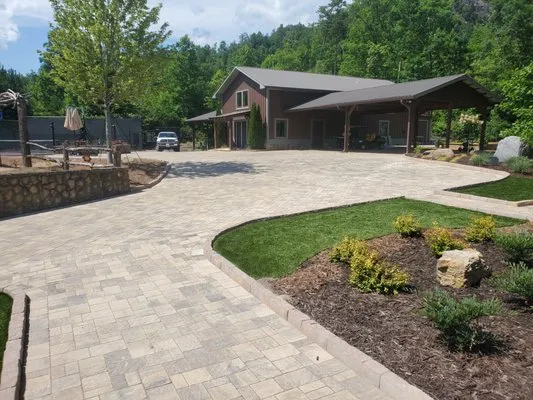
B & B Landscaping is a locally owned and operated business serving Clayton and the surrounding areas with over 35 years of hands-on experience. As a small crew, we treat every landscape and home as if...

Willard B Lawncare is a trusted local lawn service provider in Clayton, GA, dedicated to helping homeowners maintain healthy, vibrant lawns despite common local challenges like soil compaction and dea...

Based in Clayton, GA, Mountain Works is a full-service home solutions provider specializing in general contracting, landscaping, and laundry services. We approach every project with a deep understandi...

Ramey's Yard Service is a trusted, full-service landscaping and construction company serving Clayton, GA, and the surrounding areas. We specialize in a wide range of services, from cabinet painting an...

Reel Landscape MGMT is a family-owned and operated landscaping business based in Clayton, GA, with over 25 years of experience in the landscape industry. Serving Rabun and Habersham Counties, we speci...

Pro Turf & Landscape Maintenance
Pro Turf & Landscape Maintenance is a trusted local landscaping and contracting business serving Clayton, GA, and the surrounding areas. We specialize in comprehensive solutions for common local lands...
Lesley's Lawn & Landscaping is your trusted local landscaping partner in Clayton, GA, dedicated to maintaining beautiful, healthy outdoor spaces for homes and businesses throughout Rabun County. We un...
Paradise Landscaping is your trusted neighbor for professional lawn care and pressure washing in Clayton, GA. We understand the specific challenges of maintaining a beautiful property in our mountain ...
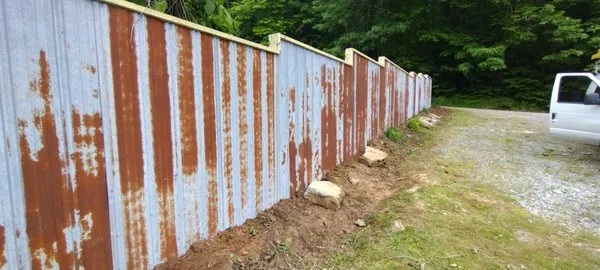
J&R Lawn Care is a trusted local lawn service provider in Clayton, GA, dedicated to maintaining beautiful, healthy lawns for homeowners and businesses. We specialize in comprehensive lawn care solutio...
Ramey's Yard Service is Clayton, GA's trusted local landscaping expert, dedicated to solving the common yard problems homeowners face in our mountain community. We specialize in addressing lawn insect...
FAQs
We want to regrade our 0.35-acre lot to fix drainage. What permits and contractor credentials are required?
Significant grading on a 0.35-acre lot typically requires a land disturbance permit from the City of Clayton Planning & Zoning Department to ensure erosion control and stormwater management plans are in place. Crucially, the work must be performed by or under the supervision of a professional holding a valid Landscape Professional License from the Georgia Department of Agriculture. This licensing ensures the contractor has the technical knowledge of state BMPs, protecting you from liability and ensuring the work is performed to code, safeguarding your property and our watershed.
Our sloped yard in Clayton has serious erosion and runoff problems. What's a lasting fix?
High runoff on sloped, acidic clay loam is a common geotechnical challenge here. The solution integrates grade management and permeable materials. Installing a series of dry creek beds or French drains using local granite or fieldstone—both highly permeable—intercepts and redirects water. This approach, combined with strategic planting for stabilization, meets the City of Clayton Planning & Zoning Department's runoff management standards by increasing infiltration and reducing sediment transport to municipal systems.
We're adding a patio and are deciding between wood and stone. Which is better for our area's climate and fire safety?
For longevity and safety in Clayton's Zone 7a climate, local granite or fieldstone is superior to wood. Stone is non-combustible, providing critical defensible space that supports your property's Moderate (WUI Zone 2) Fire Wise rating. It also withstands freeze-thaw cycles and humidity without rotting, warping, or requiring chemical treatments. While the initial investment is higher, the lifecycle cost is lower due to minimal maintenance and its permanent contribution to property resilience and value.
We have a major tree limb down after a storm and need an emergency cleanup to meet HOA rules. How quickly can a crew get here?
For emergency storm response, our primary dispatch routes from the Rabun County Courthouse via US-23/US-441. This allows a reliable arrival within the 20-30 minute window, even during peak traffic, to address immediate hazards. We prioritize securing the site for safety and begin debris processing with electric chippers to comply with Clayton's standard noise ordinance during quiet hours. Documentation for HOA compliance is provided upon job completion.
How can we keep our Tall Fescue lawn green during summer without violating Clayton's water restrictions?
Under Stage 1 water restrictions, efficient use is mandated. A Wi-Fi ET-based weather-sensing irrigation system is the technical solution. It automatically adjusts watering schedules by calculating daily evapotranspiration (ET) rates, applying water only when and where the turfgrass needs it. This method can reduce water use by 20-30% compared to traditional timers, keeping Tall Fescue healthy while staying well within municipal allotments and conserving our regional water resources.
We've spotted what looks like invasive English Ivy and Japanese Stiltgrass. How do we remove it safely?
Early detection of invasive species like English Ivy and Japanese Stiltgrass is critical. Manual removal is most effective for initial control, ensuring all root systems are extracted. For follow-up or larger infestations, targeted, EPA-registered herbicide applications may be necessary. Any chemical application must be performed by a licensed professional in strict accordance with Georgia's BMPs for Phosphorus Application, avoiding blackout dates to protect local waterways. A long-term strategy includes replanting with competitive natives to prevent re-establishment.
Our lawn in Downtown Clayton never seems to thrive, and the soil is so hard. What's the underlying issue with our property?
Homes built around 1985, like many in this area, have soils that have matured for over 40 years. This extended period of compaction from construction and routine maintenance has significantly degraded the acidic clay loam (Ultisols) common here. The soil structure has collapsed, reducing permeability and root penetration. To restore health, core aeration and incorporation of composted organic matter are essential to rebuild porosity and support microbial life in the root zone.
We're tired of weekly mowing and loud gas blowers. Is there a quieter, lower-maintenance alternative to our lawn?
Absolutely. Transitioning high-maintenance turf to a climate-adaptive landscape centered on Georgia natives like Mountain Laurel, Eastern Redbud, and Switchgrass is the forward-looking strategy. These plants require no mowing, minimal watering once established, and support local biodiversity. This shift also pre-empts tightening noise ordinances targeting gas-powered equipment, allowing for maintenance with quiet, electric tools. The result is a resilient, beautiful landscape that conserves water and reduces acoustic pollution.
