Top Landscaping Services in Chatsworth, GA, 30705 | Compare & Call

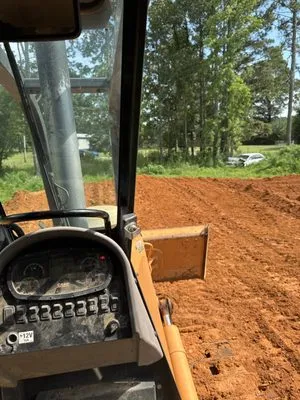
Banks Excavation & Land Clearing is a locally owned and operated company serving Chatsworth, GA, and the surrounding area within a 60-mile radius. We specialize in a wide range of excavation and land ...
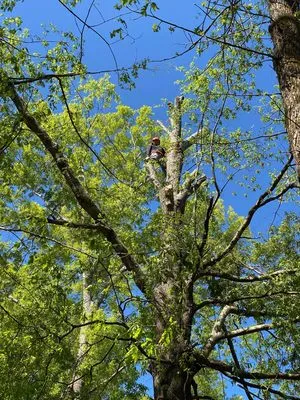
LosBros is a Chatsworth-based, family-operated company providing essential tree care, landscaping, and electrical services to local homeowners. Serving the Chatsworth area, they understand the specifi...
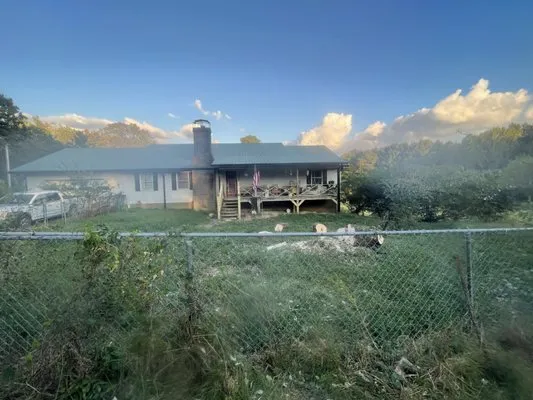
In & Outdoor Solution Pros is your comprehensive service provider in Chatsworth, GA, dedicated to handling a wide range of property needs with a single, reliable team. We specialize in residential ele...
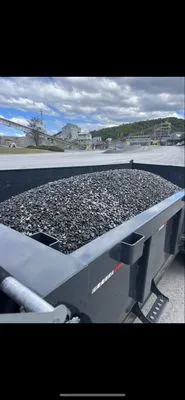
Skid-er-Done is a trusted, locally-owned service in Chatsworth, GA, specializing in landscaping, excavation, and hauling to create and maintain healthy, beautiful outdoor spaces. We understand the com...

Rafferty's Landscaping and Tree Service is a trusted local provider in Chatsworth, GA, offering comprehensive tree care and landscaping solutions. We specialize in addressing common homeowner challeng...
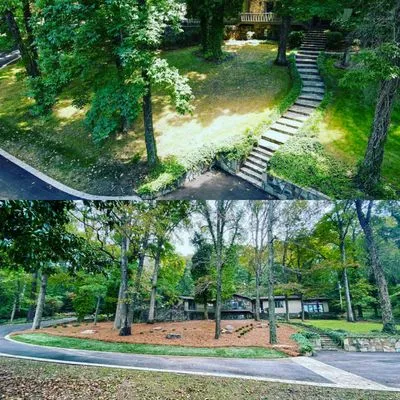
Callaway Outdoor in Chatsworth, GA, is a landscape design and installation company founded in 1999 by Drew Callaway, an award-winning designer whose childhood passion for lawns and landscapes grew int...
Garcia’s Painting & Staining and Landscaping
Garcia’s Painting & Staining and Landscaping is a Chatsworth-based family-owned business providing comprehensive exterior and interior painting alongside full-service landscaping. We help local homeow...
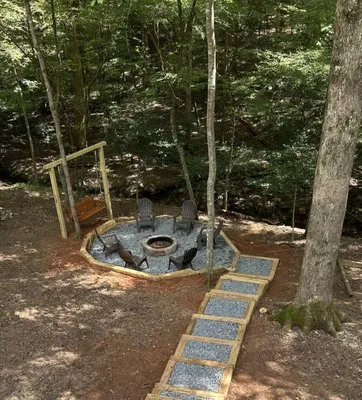
Mike's A1 Services in Chatsworth, GA, is your trusted local expert for tree care, landscaping, and fencing solutions. We specialize in landscape maintenance and professional tree care services to keep...
James Trey Services is your trusted local handyman and landscaping expert in Chatsworth, GA. We offer a comprehensive range of home and property improvement services, from fence installation and door ...

Bentcreek Landscaping & Aquascapes is a trusted local landscaping company serving Chatsworth, GA, and the surrounding Murray County area. We specialize in comprehensive landscape design, installation,...
Question Answers
How do I keep my Tall Fescue healthy during Stage 1 water restrictions?
Wi-Fi ET-based weather sensing irrigation calculates evapotranspiration rates, delivering precise water amounts only when needed. This system typically reduces water use 20-30% compared to traditional timers while maintaining turf health. Programming follows municipal Stage 1 guidelines, with deep, infrequent watering cycles that encourage deeper root growth in Chatsworth's clay soils. The technology automatically adjusts for rainfall, preventing overwatering during Georgia's humid periods.
Should I replace some lawn with native plants to reduce maintenance?
Transitioning high-maintenance turf areas to Purple Coneflower, Butterfly Weed, and Switchgrass reduces mowing frequency and supports 2026 biodiversity standards. Native Eastern Redbud and Flowering Dogwood provide seasonal interest with minimal irrigation needs. This approach aligns with evolving noise ordinances restricting gas-powered equipment, as electric maintenance tools handle these plantings quietly. The shift creates habitat while cutting water and maintenance inputs substantially.
What's the best solution for runoff problems in my clay-heavy yard?
Moderate runoff in acidic clay soils requires improving permeability through strategic grading and permeable concrete pavers. These pavers allow 80-90% of stormwater to infiltrate naturally, meeting Chatsworth Planning & Zoning Department runoff standards. Installing French drains along property boundaries channels excess water away from foundations. Combining these approaches addresses the high clay content saturation common in 0.35-acre Chatsworth lots.
Why does my soil seem so compacted and acidic in Downtown Chatsworth?
Chatsworth lots built around 1989 have 37-year-old Ultisols, acidic clay loam soils that naturally compact over time. The clay content restricts root growth and water infiltration, requiring core aeration every 2-3 years. Adding 2-3 inches of composted organic matter annually adjusts pH toward neutral while improving soil structure. This addresses the common 5.5-6.2 pH range found throughout the neighborhood.
How quickly can you respond to an emergency storm cleanup for HOA compliance?
Emergency crews dispatch from the Murray County Courthouse area via US-411, arriving within 20-30 minutes during peak conditions. We maintain electric equipment fleets that operate within Chatsworth's 9 PM to 7 AM noise ordinance restrictions. This allows immediate debris removal while meeting municipal quiet hours, crucial for maintaining neighborhood standards after severe weather events.
Are permeable concrete pavers better than wood for patio longevity?
Permeable concrete pavers offer 25+ year lifespans versus wood's 10-15 years in Georgia's humid climate. Their non-combustible nature supports Moderate Fire Wise WUI Zone 2 compliance, creating defensible space around structures. The permeability reduces runoff by 80-90% compared to solid surfaces, addressing Chatsworth's clay soil drainage challenges. This material requires minimal maintenance while withstanding freeze-thaw cycles better than traditional concrete.
What permits and licenses are needed for grading my 0.35-acre property?
Grading projects exceeding 100 cubic yards require Chatsworth Planning & Zoning Department permits for erosion control compliance. The Georgia State Board of Landscape Architects licenses professionals for grading designs affecting drainage patterns on lots this size. Unlicensed grading can violate municipal codes and create downstream runoff issues. Proper documentation ensures your project meets both local ordinances and state environmental regulations.
What invasive species should I watch for and how do I treat them safely?
Chatsworth faces Japanese stiltgrass and Chinese privet invasions that outcompete native vegetation. Manual removal before seed set proves most effective, followed by targeted herbicide applications during permitted windows. Treatment timing avoids Georgia's nutrient management blackout dates, typically late fall through early spring. Regular monitoring prevents establishment, protecting your investment in native plantings without violating state-regulated requirements.
