Top Landscaping Services in Bowdon, GA, 30108 | Compare & Call

Heritage Tree & Landworks is a trusted local tree and landscape service based in Bowdon, GA, serving Bowdon, Carrollton, and the broader West Georgia area. With over a decade of hands-on experience, o...
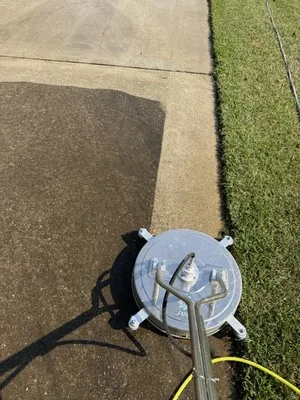
Langley Outdoor Solutions was founded in 2021 by a Bowdon resident with a deep-rooted passion for outdoor work. Growing up tending a family garden, the owner developed a genuine appreciation for creat...

B&R Mowing is a trusted, locally-owned lawn care provider serving Bowdon, GA, and the surrounding Carroll County area. We understand the unique challenges homeowners face in our region, from the frust...
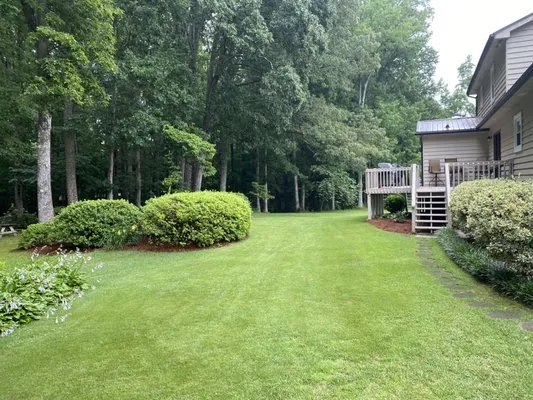
Carlyle's Lawn Care is a trusted, locally-owned lawn service provider serving Bowdon, GA, and the surrounding areas. We specialize in comprehensive lawn care solutions designed to keep your property h...

Moma's Boys Lawn Care is a trusted, locally-owned lawn service provider dedicated to keeping Bowdon, GA properties looking their best. We understand the common local challenges homeowners face, such a...
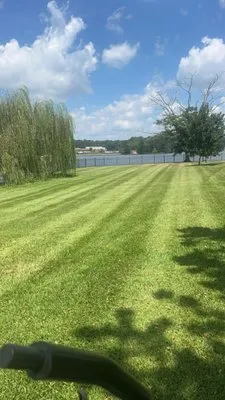
Connor Cummingss provides essential outdoor maintenance services for Bowdon, GA homeowners, specializing in lawn care and snow removal. Bowdon residents frequently face landscaping challenges like tre...
Mejia Lawn Service is your trusted local lawn care expert serving Bowdon, GA. We specialize in diagnosing and resolving the common landscaping challenges specific to our area, such as clogged irrigati...
L & J Landscaping is a trusted, full-service landscaping company serving Bowdon, GA, and the surrounding Carroll County area. We specialize in firewood, comprehensive lawn care, and professional tree ...
Maiko Landscaping is your trusted, local partner for comprehensive outdoor care in Bowdon, GA. We specialize in lawn services, expert tree care, and pressure washing to keep your property healthy and ...
Bristol Lawn Care is your trusted, locally-owned lawn service provider in Bowdon, GA. We understand the unique challenges Bowdon homeowners face, from malfunctioning irrigation timers that leave lawns...
Questions and Answers
How can I keep my Tall Fescue lawn healthy during Bowdon's Stage 1 water restrictions?
Stage 1 voluntary restrictions prioritize efficiency, which is precisely where modern irrigation technology excels. A Wi-Fi-enabled, ET-based (evapotranspiration) smart controller uses local weather data to apply only the precise amount of water your Tall Fescue needs, often less than a traditional timer system. This method aligns irrigation with actual plant demand and soil moisture, conserving significant water while maintaining turf vitality and staying well within municipal guidelines.
My yard pools water after heavy rain. What's a long-term solution for this clay soil?
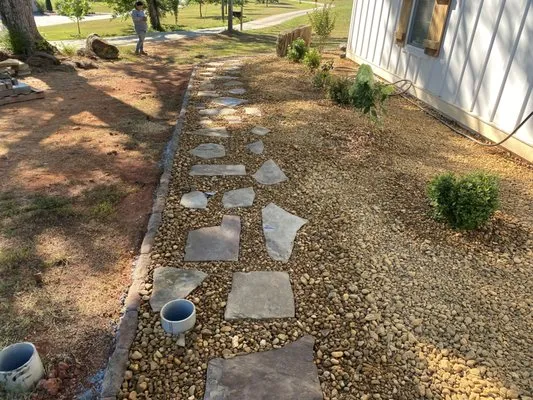
Pooling water indicates the high clay content in Cecil loam is hindering percolation. The most effective long-term strategy combines subsurface drainage, like a French drain system, with surface grading to direct water away from foundations. For any new patios or walkways, specify permeable concrete pavers or local fieldstone set in a gravel base. This approach increases overall site permeability and can help your project meet Bowdon City Planning & Development's stormwater runoff management standards.
I want a beautiful, lower-maintenance yard that uses less water and gas equipment.
Transitioning sections of high-input turf to a climate-adaptive xeriscape with regional natives is a forward-thinking solution. A palette of Eastern Redbud, Purple Coneflower, Switchgrass, and Beautyberry provides multi-season interest, deep drought tolerance, and critical habitat. This reduces mowing frequency, eliminates the need for gas-powered blowers during restricted hours (9 PM - 7 AM), and establishes a resilient landscape aligned with 2026 biodiversity and conservation goals.
Are concrete pavers or pressure-treated wood better for a new patio?
For longevity, low maintenance, and fire resilience, concrete pavers or local fieldstone are superior to wood. Wood requires regular sealing and deteriorates over time, while stone or paver systems offer permanent durability. From a Firewise USA perspective, using non-combustible materials like stone for patios and walkways within the first 5-10 feet of your home contributes to defensible space, a key mitigation factor in Bowdon's Moderate risk rating zone.
Why is the soil in my Bowdon Historic District yard so compacted and acidic?
Your property, like most in this neighborhood with homes averaging 47 years of age, sits on mature Ultisols, specifically Cecil sandy loam. Over decades, foot traffic, construction, and natural settling have compacted the soil profile, reducing permeability. The inherent pH of 5.5-6.2 is also slightly acidic for optimal turf health. To correct this, we recommend annual core aeration in the fall and amending with composted organic matter to improve structure and gradually neutralize soil pH, fostering a healthier root zone.
A storm damaged a large tree limb. How quickly can a crew arrive for emergency cleanup to meet HOA standards?
For emergency storm response, our crews can typically mobilize within 90 minutes. The primary route from our staging area near Bowdon City Hall utilizes GA-100, allowing us to reach most addresses in the Historic District within the 20-30 minute target for peak incidents. We prioritize safety and compliance, ensuring debris is cleared and stacked for removal according to local ordinance, mitigating any immediate hazard or violation notice.
What permits and credentials are needed to regrade and terrace my backyard slope?
Significant earthmoving and grading on a 0.35-acre lot typically requires a permit from the Bowdon City Planning & Development office to ensure proper erosion control and drainage. The work itself must be performed by or under the supervision of a licensed professional. In Georgia, this means a contractor registered with the Georgia Department of Agriculture Landscape Architect/Contractor Board or a qualified civil engineer. This licensing ensures the structural integrity of the terraces and compliance with all state and local land disturbance regulations.
I've spotted what looks like invasive Japanese stiltgrass. How should I handle it?
Japanese stiltgrass is a significant invasive alert in Zone 8a. Correct identification is crucial before treatment. For established patches, a targeted post-emergent herbicide application in late summer before seed set is most effective. Importantly, any treatment plan must first consider Georgia's BMPs for fertilizer, which prohibit phosphorus application unless a soil test confirms a deficiency. We always conduct testing to ensure any supplemental nutrition complies with state law and supports the desired plant community.
