Top Landscaping Services in Blue Ridge, GA, 30513 | Compare & Call
There are 99 landscaping companies server in Blue Ridge GA
God's Country Landscape Service is a trusted local landscaping company serving Morganton, GA, and surrounding areas. We specialize in addressing common landscaping challenges faced by homeowners in ou...
Blue Ridge Mountain Landscaping is a dedicated local company serving the Blue Ridge, GA area. We specialize in addressing the common regional challenges of bare lawn patches and patchy grass, which ca...
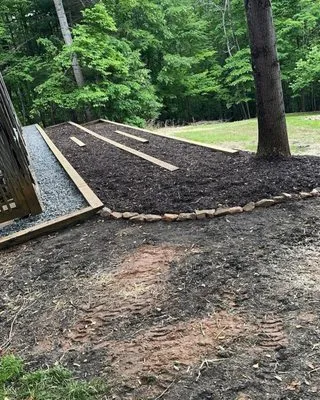
Couch's Excavation is a trusted local excavation and landscaping company serving Blue Ridge, GA, and the surrounding North Georgia communities. We specialize in comprehensive earthwork solutions inclu...
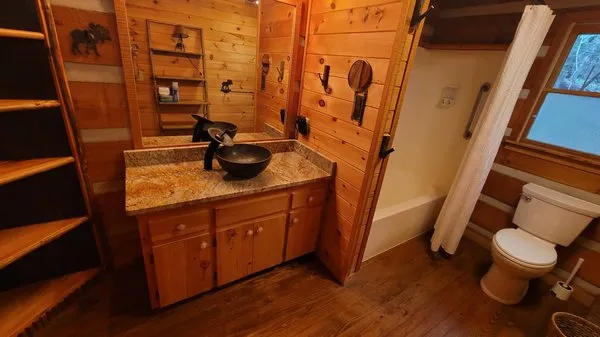
His and Her's Cleaning in Blairsville is a trusted, locally-owned business that brings over 13 years of dedicated experience to homes throughout Union County. We specialize in two essential areas: tho...
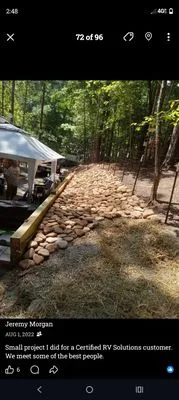
Morgan Outdoor Services is your trusted local partner in Blue Ridge, GA, offering comprehensive tree services, landscaping, and junk removal to keep your property beautiful and functional. We speciali...
Bradburns Tree Removal & Landcare is your local, trusted partner for Morganton's tree and landscaping needs. We specialize in comprehensive tree care services and professional landscape maintenance to...
Blue Mountain Builders is a trusted general contracting company serving Blue Ridge, GA, and the surrounding communities. Specializing in landscaping, electrical work, and comprehensive contracting ser...
Precise Property Pros is a local landscaping company dedicated to maintaining the beauty and health of Blue Ridge, GA properties. Our team specializes in diagnosing and treating common regional lawn i...
Precision Cleaning of the Mountain is a dedicated lawn service provider in Blue Ridge, GA, specializing in comprehensive lawn care solutions tailored to the unique needs of our local community. We und...
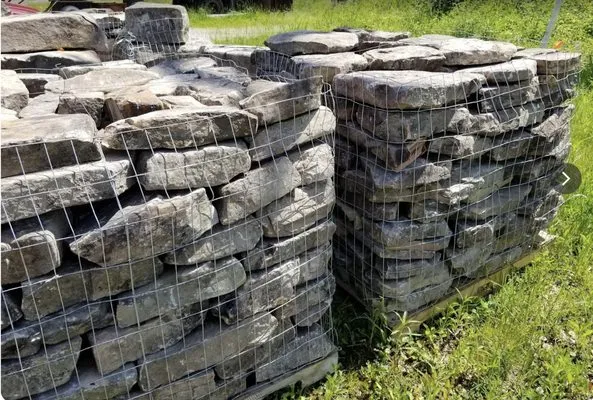
Flatrock Stone is a locally owned landscaping company serving Mineral Bluff, GA, specializing in practical solutions for common property challenges. We understand that many homes in our area face issu...
Estimated Landscaping Service Costs in Blue Ridge, GA
Frequently Asked Questions
What should I do about invasive vines like Japanese Honeysuckle without harming my creek?
Targeted manual removal or precise cut-stump treatment with EPA-approved herbicides is necessary for persistent invasives. Timing is critical to avoid state-mandated fertilizer and chemical application blackout dates near waterways, which require protective buffer zones. A professional nutrient management plan ensures safe, effective control that protects local hydrology while restoring growing space for native species like Rhododendron maximum and Eastern Redbud.
My sloped yard is eroding; what's a permanent solution that will pass inspection?
High erosion risk on mountainous slopes requires integrating grade control with permeable surfaces. We design terraced rain gardens using local granite and fieldstone, which are naturally permeable and meet Fannin County Planning & Zoning standards for managing stormwater runoff. These structures slow water velocity, increase infiltration, and can be planted with deep-rooted natives to stabilize the soil, creating a functional landscape that addresses the core drainage hazard.
How quickly can you respond for an emergency storm cleanup to meet HOA deadlines?
Our emergency dispatch for the Historic District is routed from the Blue Ridge Scenic Railway Depot via GA-515, targeting a 20-30 minute arrival for peak storm response. We maintain an electric-powered fleet for quiet operation during extended daylight hours, allowing us to begin immediate debris management, selective pruning, and turf remediation to restore property safety and compliance without disturbing the neighborhood.
Why does my contractor need a special license just to regrade my half-acre lot?
Significant grading on a 0.45-acre lot alters water flow and can impact neighboring properties and watersheds, triggering permit requirements from the Fannin County Planning & Zoning Department. In Georgia, this work requires a licensed Landscape Architect or a Licensed Contractor through the Georgia Secretary of State Professional Licensing Boards to ensure designs meet erosion control and engineering standards, protecting you from liability and environmental violations.
Is a stone patio better than wood for longevity and fire safety here?
Local granite and fieldstone offer superior durability and minimal maintenance compared to wood, which decays in our humid climate. For fire safety in our Moderate (WUI Zone 2) rated area, stone is a non-combustible material that contributes to defensible space. When designed with proper clearances, a stone patio or pathway serves as a permanent, fire-resistant hardscape that enhances property value and resilience.
I'm tired of weekly mowing; are there lower-maintenance, quiet alternatives?
Replacing high-input turf areas with curated native plantings is a forward-looking strategy. Utilizing Mountain Laurel, Switchgrass, and Flame Azalea reduces mowing frequency, eliminates gas-powered blower noise—a growing concern under local quiet hours—and provides superior habitat. This xeriscaping approach builds climate resilience, significantly cuts water use, and aligns with evolving community standards for sustainable, biodiverse landscapes in Zone 7a.
Why is my 40-year-old yard so hard and acidic, even with regular feeding?
Properties built in the mid-1980s, like many in the Blue Ridge Historic District, have soils that have matured for 40 years. Our prevalent Ultisols are naturally acidic loams (pH 5.5-6.2), and decades of foot traffic and conventional maintenance have compacted them, reducing permeability and oxygen for roots. Core aeration followed by incorporating compost is essential to remediate this compaction and build organic matter, which also helps buffer the soil's natural acidity for better plant health.
Can I keep my Tall Fescue healthy under Stage 1 water conservation rules?
Yes, efficient irrigation is key. Smart Wi-Fi soil moisture sensor systems are now the standard for compliance, as they apply water based on actual ET (evapotranspiration) and root zone need, not a fixed schedule. This technology prevents overwatering, which is common on our sloped lots, and ensures your Tall Fescue receives deep, infrequent watering that encourages drought-tolerant roots while staying well within voluntary municipal conservation limits.
