Top Landscaping Services in Ball Ground, GA, 30107 | Compare & Call
There are 222 landscaping companies server in Ball Ground GA
Grass Source
Grass Source is a Canton-based landscaping company specializing in comprehensive outdoor solutions for local homeowners. We address common local issues like sprinkler coverage gaps and dying shrubs th...
Spears Landscape Management is a trusted lawn care provider serving Canton, GA, and surrounding communities. We specialize in comprehensive lawn care solutions designed to address common local challen...

David's Landscape is a trusted, locally-owned landscaping company serving Canton, GA, and the surrounding Cherokee County area. We specialize in transforming outdoor spaces by addressing common local ...

Landscaper For A Day is your Canton, GA neighbor for reliable, on-demand landscaping solutions. We specialize in addressing common local issues like standing water in yards and soil compaction that ma...

Leprechaun's Landscaping is a trusted Cartersville, GA business providing comprehensive outdoor solutions for residential and commercial properties. With expertise spanning landscaping, tree services,...
Down South Construction
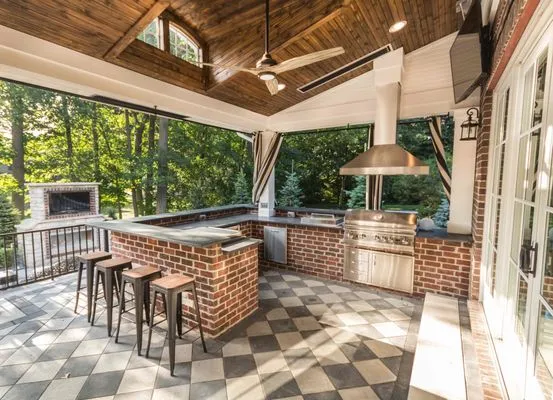
Down South Construction is a Ball Ground, GA-based company specializing in comprehensive outdoor living solutions. Founded by an owner with a background in architecture and hands-on construction exper...
With 15 years of dedicated service in Canton, GA, McGhee Tree Service brings deep-rooted expertise to every project. Owner's lifelong connection to tree work, learned from his logger father, translate...
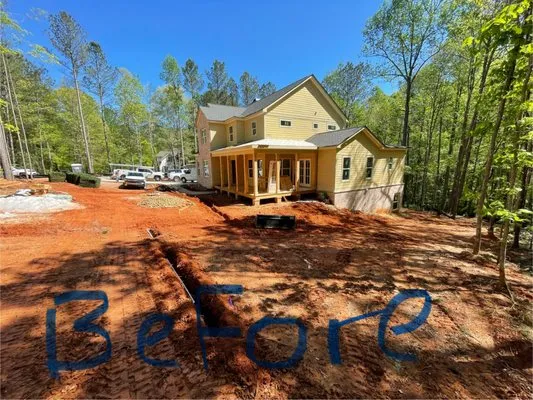
Loarca's Landscape in Canton, GA, is a dedicated landscaping business focused on providing reliable services for residential and commercial properties. Our strength lies in irrigation repair and insta...
Picture Perfect Turf is a family-owned lawn and tree care service based in Canton, GA, serving the Metro Atlanta area. Specializing in tailored lawn care programs and tree care services, they focus on...
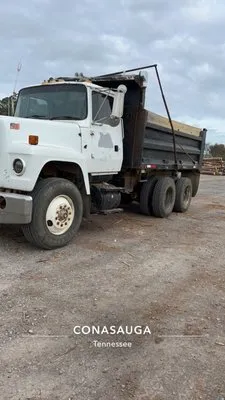
S&S Grading & Landscapes
S&S Grading & Landscapes is a full-service landscaping and construction company serving Talking Rock, GA, and the surrounding areas. We specialize in grading, excavation, demolition, and comprehensive...
Estimated Landscaping Service Costs in Ball Ground, GA
Q&A
What solutions prevent water pooling in my clay-heavy yard?
High clay content in Ball Ground's Ultisols creates compaction-induced runoff that requires engineered solutions. Installing permeable concrete pavers allows 80-90% of stormwater to infiltrate rather than run off. French drains with clean gravel and geotextile fabric redirect subsurface water away from foundations. The Ball Ground Planning & Zoning Department requires drainage plans that demonstrate reduced impervious surface area for lots over 0.25 acres.
How do I keep my lawn green during Ball Ground's water restrictions?
Stage 1 water restrictions allow efficient irrigation using Wi-Fi ET-based weather sensing controllers. These systems calculate evapotranspiration rates to deliver precise water amounts matching plant needs. For Tall Fescue or TifTuf Bermuda turf, this technology reduces water use by 20-30% while maintaining health. Programming deep, infrequent watering cycles encourages deeper root growth and drought tolerance.
Why does my Ball Ground yard have such poor drainage and compacted soil?
Downtown Ball Ground properties built around 2005 have approximately 21 years of soil development on acidic clay loam Ultisols. This soil type naturally compacts over time, reducing permeability and creating runoff issues. Core aeration with organic amendments like composted pine bark improves soil structure by increasing pore space. Regular soil testing every 2-3 years monitors pH levels, which typically range from 5.5 to 6.2 in this neighborhood.
Are permeable pavers better than wood decking for my outdoor living space?
Permeable concrete pavers and stacked fieldstone offer superior longevity compared to wood, with 25+ year lifespans versus wood's 10-15 years with maintenance. These materials create defensible space important for Ball Ground's Moderate Fire Wise rating by eliminating combustible materials near structures. Properly installed permeable hardscapes manage stormwater runoff while providing stable surfaces that resist frost heave in Zone 7b winters.
How quickly can you respond to an emergency tree cleanup after a storm?
Emergency storm response from Gibbs Gardens via I-575 to Downtown Ball Ground requires 25-35 minutes during peak conditions. Our dispatch prioritizes safety hazards like downed power lines or blocked driveways. We maintain dedicated storm response equipment including electric chainsaws that comply with standard noise ordinances. HOA compliance issues typically receive attention within 24-48 hours depending on severity.
Can I reduce lawn maintenance while supporting local ecology?
Replacing high-maintenance turf with native plantings creates resilient landscapes requiring less water and chemical inputs. Eastern Redbud, Oakleaf Hydrangea, and Purple Coneflower establish deep root systems that stabilize soil and support pollinators. Switchgrass and Beautyberry provide year-round interest with minimal care. Transitioning to electric maintenance equipment anticipates future noise ordinance refinements while reducing carbon emissions.
What permits and licenses are required for grading my 0.35-acre property?
Grading projects altering more than 100 cubic yards of soil require permits from the Ball Ground Planning & Zoning Department. Contractors must hold appropriate licensing through the Georgia Secretary of State Professional Licensing Boards, particularly for erosion control and stormwater management. On 0.35-acre lots, engineered drainage plans often become necessary when modifying existing grades by more than 12 inches. Unlicensed grading can result in significant fines and mandatory restoration orders.
What invasive species threaten Ball Ground landscapes and how should I treat them?
Japanese stiltgrass and Chinese privet present significant invasion risks in USDA Zone 7b. Manual removal before seed set in late summer prevents spread without chemical intervention. For established invasions, targeted glyphosate applications during active growth phases avoid Georgia's phosphorus restrictions on established turf. Always conduct soil testing before any fertilizer application to comply with nutrient management regulations.
