Top Landscaping Services in Augusta, GA, 30805 | Compare & Call
There are 146 landscaping companies server in Augusta GA

Poteet Brothers Lawn Care is a trusted, locally-owned lawn service provider serving homeowners in Appling, GA, and the surrounding areas. We specialize in comprehensive lawn care solutions designed to...
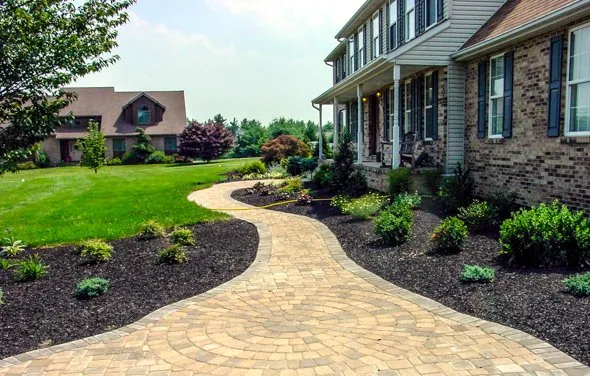
10speed Lawncare is a trusted lawn service provider in Augusta, GA, specializing in gardening and comprehensive lawn care. We help Augusta homeowners maintain healthy, vibrant outdoor spaces by addres...
S & S Landscaping is a trusted Augusta, GA landscaping company dedicated to solving common local yard problems. Many homeowners in the area struggle with issues like dying shrubs and irrigation timer ...
Nimmer Turf & Tree Farm is a family-owned sod farm in Evans, GA, specializing in high-quality turfgrass varieties like Celebration Bermudagrass and Zeon Zoysia. With over 3,000 acres in production, th...
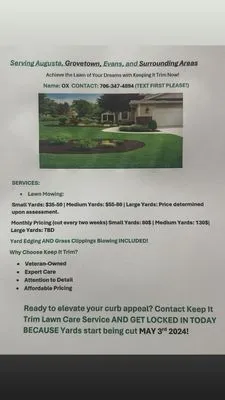
Keep It Trim Lawn Care Service is your trusted local lawn and tree care provider in Augusta, GA. We specialize in comprehensive lawn care and tree care services designed to address common Augusta land...
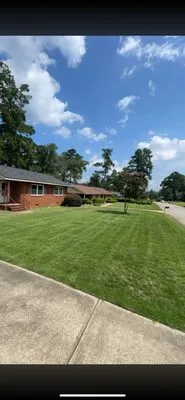
Uptown Enterprise is a trusted Augusta-based service provider specializing in lawn care, junk removal, and painting solutions. Many homes in the Augusta area face common landscaping challenges like so...
Estimated Landscaping Service Costs in Augusta, GA
FAQs
What invasive species should I watch for and how do I treat them safely?
Augusta faces particular threats from Chinese privet, Japanese stiltgrass, and cogongrass that outcompete native vegetation. Manual removal during dry periods before seed set provides effective control without chemicals. For persistent infestations, targeted glyphosate applications in fall avoid spring phosphorus restrictions under Georgia HB 1059. Always verify treatment timing doesn't conflict with local fertilizer ordinance blackout dates. Regular monitoring catches invasions early when cultural controls remain viable, preserving soil microbiology while protecting surrounding native plant communities.
Should I replace some lawn with native plants to reduce maintenance?
Transitioning high-maintenance turf areas to American Beautyberry, Eastern Redbud, Purple Coneflower, Switchgrass, and Oakleaf Hydrangea creates resilient landscapes that require 70% less water and minimal upkeep. These natives thrive in Augusta's acidic sandy loam without chemical inputs, establishing deep root systems that improve soil structure. As municipalities phase out gas-powered equipment due to noise and emissions concerns, native plantings eliminate weekly mowing needs while providing year-round visual interest. This approach future-proofs your landscape against evolving maintenance regulations.
How do I keep my TifTuf Bermuda green during Augusta's water restrictions?
Wi-Fi ET-based weather sensing controllers calculate actual evapotranspiration rates using local weather data, applying water only when turfgrass needs it. During Stage 1 water restrictions, these systems typically reduce consumption by 30-40% compared to traditional timers while maintaining TifTuf Bermuda or Zoysia health. The controllers automatically adjust for rainfall, humidity, and temperature fluctuations specific to USDA Zone 8b conditions. This precision irrigation prevents overwatering that exacerbates Augusta's common drainage issues while staying well within municipal water allocation limits.
Why does my Summerville yard have such poor drainage and compacted soil?
Augusta's Summerville neighborhood was primarily developed around 1979, giving your soil approximately 47 years to mature. Ultisols in this area naturally develop acidic sandy loam profiles with pH 5.5-6.2, but decades of foot traffic and conventional maintenance have created compacted clay layers that impede water movement. These soils require core aeration every 2-3 years to break up compaction and incorporate organic amendments like composted pine bark to improve structure. Without intervention, the natural acidity combines with compaction to create the low-lying stormwater pooling common in older Augusta properties.
How quickly can you respond to emergency storm damage for HOA compliance?
Our electric maintenance fleet can dispatch from the Augusta University Health Sciences Campus area within 20-30 minutes during peak response times. We route via I-520 (Bobby Jones Expressway) to access Summerville neighborhoods efficiently while complying with Augusta's 9:00 PM to 7:00 AM noise ordinance restrictions. Emergency cleanup protocols prioritize safety assessments first, followed by debris removal that meets HOA visual standards within 24 hours. The electric equipment operates quietly enough for early morning responses when time-sensitive compliance issues arise.
Are permeable pavers better than wood decking for Augusta's climate?
Permeable concrete pavers and Savannah Gray brick offer superior longevity in USDA Zone 8b, with 40+ year lifespans versus wood's 15-25 years with constant maintenance. These materials withstand Augusta's humidity and temperature swings without warping, rotting, or requiring chemical treatments. For properties with Moderate Fire Wise ratings, hardscape provides essential defensible space by creating non-combustible zones around structures. The permeability also addresses stormwater management requirements that wooden surfaces cannot meet, making them both practical and regulatory-compliant choices.
What's the best solution for persistent puddling in my yard?
Compacted clay layers in Ultisols create impermeable barriers that cause low-lying stormwater pooling. Installing permeable concrete pavers or Savannah Gray brick in problem areas allows water infiltration at rates exceeding Augusta Planning & Development Department runoff standards. These materials provide 20-30% void space for water passage while stabilizing surfaces. For severe cases, we recommend combining permeable hardscape with French drains that redirect water to rain gardens planted with native species adapted to wet-dry cycles.
What permits and licenses are needed for regrading my 0.35-acre lot?
Grading projects exceeding 100 cubic yards of earth movement require Augusta Planning & Development Department permits to ensure proper drainage and erosion control. Contractors must hold active licenses through the Georgia Secretary of State Professional Licensing Board, specifically Landscape Architect or Utility Contractor classifications for significant earthwork. On 0.35-acre lots, even modest grading can trigger review due to potential impacts on neighboring properties and stormwater systems. Professional licensing ensures compliance with Georgia's sediment control laws and protects against liability from improper drainage alterations.
