Top Landscaping Services in Wellington, FL, 33411 | Compare & Call

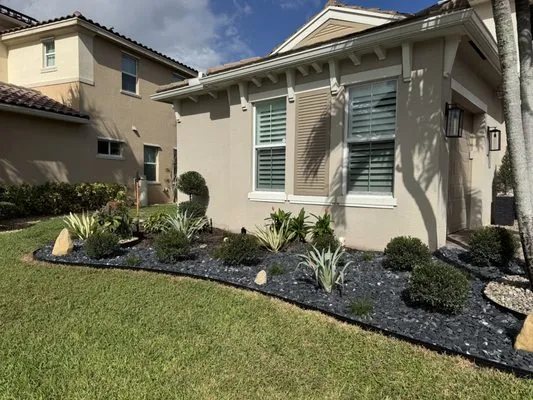
With a foundation of over 25 years in delivering reliable, high-quality service to major clients like the FAA and US Coast Guard, Saddlerock Landscaping brings a disciplined and detail-oriented approa...
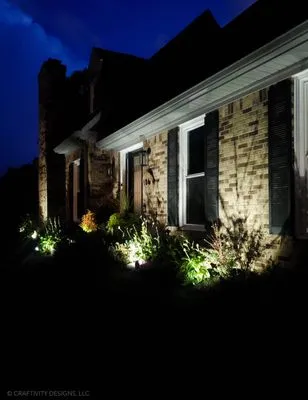
For over 20 years, Jarocho Landscaping has been the trusted local partner for Wellington homeowners and businesses seeking reliable, expert care for their outdoor spaces. As a fully licensed and insur...

Coastal Tree Trimming & Landscape is a Wellington-based tree service and landscaping company serving South Florida's Palm Beach County. We specialize in comprehensive tree care including trimming, pru...
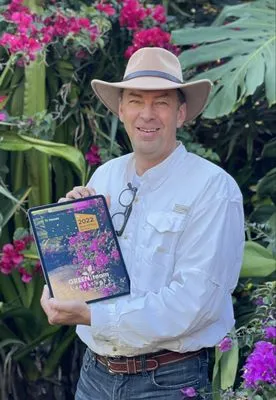
Green Team Solutions is a Wellington, FL landscaping company founded in 2006 by Luc, who transitioned from a career in art direction to pursue his lifelong passions for design and nature. His extensiv...
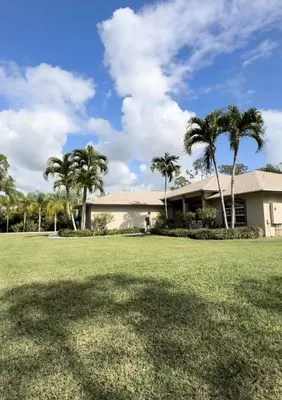
First Due Lawn Maintenance
First Due Lawn Maintenance in Wellington, FL, brings the dedication and discipline of a firefighting background to your property. Owned and operated by seasoned firefighters, our approach is built on ...
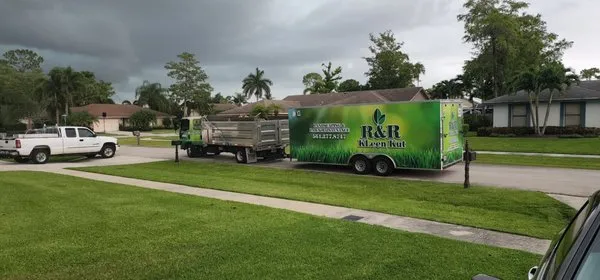
R and R Kleen Kut Landscaping is a trusted Wellington, FL-based landscaping company dedicated to maintaining and enhancing outdoor spaces in our community. We specialize in comprehensive landscape mai...
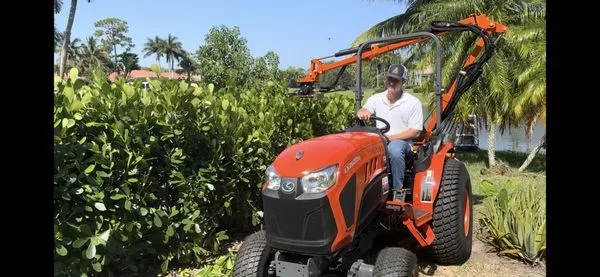
Precision Hedge Landscaping is a licensed landscaping service dedicated to the Palm Beach County community, with a special focus on Wellington. We specialize in the meticulous care of hedges and shrub...
For over 70 years, Nu-Way Lawns has built a legacy of reliability and capability in the landscaping industry. Originally founded in Seattle, we established our Florida corporation in 1992, bringing de...
Country West Landscaping is a Wellington-based landscaping company dedicated to solving the unique challenges of South Florida yards. We specialize in addressing common local issues like palm tree roo...

Brandon Balch Landscapes
Brandon Balch Landscapes is a Wellington-based landscaping and irrigation company serving Palm Beach County. They specialize in creating and maintaining healthy, resilient landscapes tailored to South...
Question Answers
What permits and licenses are required for regrading my Wellington property?
Grading work on 0.35-acre lots requires a permit from the Village of Wellington Planning, Zoning & Building Department, with engineered plans for drainage modifications. Contractors must hold active licensing through the Florida Department of Business and Professional Regulation, specifically a Certified Landscape Contractor license for earthmoving exceeding 100 cubic yards. Unlicensed grading can violate water table protection ordinances and result in significant fines plus restoration requirements.
How do I maintain St. Augustine grass with Wellington's year-round watering restrictions?
Smart cloud-based ET controllers calculate evapotranspiration rates using local weather data to optimize irrigation timing. These systems automatically adjust for Wellington's two-day-per-week conservation schedule, applying water only when turfgrass needs it most. For Floratam or Palmetto cultivars, this technology prevents overwatering while maintaining 80-90% turf health. Proper programming accounts for seasonal saturation periods when irrigation should be reduced or paused entirely.
Can I reduce maintenance costs while supporting local ecology?
Replacing high-input St. Augustine turf with native plantings like Firebush, Beautyberry, and Muhly Grass cuts water use by 60-70%. These species require no chemical fertilizers and support pollinator populations year-round. Electric maintenance equipment operates quietly within noise ordinance hours while eliminating gas emissions. This approach aligns with 2026 biodiversity standards and reduces long-term care requirements for 0.35-acre properties.
How quickly can you respond to an HOA violation notice for overgrown landscaping?
Emergency cleanup crews dispatch from Wellington International within 15 minutes of notification. The route via Florida's Turnpike to Wellington Village Center typically requires 25-35 minutes during peak traffic conditions. Our electric maintenance fleet operates within Wellington's 7:00 AM to 7:00 PM noise ordinance window, allowing immediate response while maintaining community standards. We prioritize HOA compliance issues to prevent fines or liens.
Are concrete pavers better than wood decking for Wellington's climate?
Concrete pavers with permeable joint sand outperform wood in Wellington's humid subtropical environment. They resist termite damage, won't rot from seasonal saturation, and maintain structural integrity for 25+ years. Their non-combustible nature supports Wellington's Moderate Fire Wise rating by creating defensible space around structures. Proper installation includes a compacted base layer that accommodates soil movement without cracking.
Why does my Wellington Village Center lawn have drainage issues despite regular watering?
Wellington lots built around 1995 have approximately 31 years of soil development on sandy Spodosols. These soils naturally have low organic matter and poor water retention due to their coarse texture. Over decades, compaction from foot traffic and equipment reduces permeability, creating surface runoff during seasonal saturation. Core aeration with organic amendments like composted pine bark improves soil structure and water infiltration for healthier root systems.
What solutions exist for seasonal ponding in my Wellington yard?
Wellington's high water table combined with sandy Spodosols creates temporary saturation during rainy periods. Installing French drains with clean gravel and geotextile fabric redirects subsurface water away from structures. Permeable concrete pavers with joint sand allow 30-40% more water infiltration than traditional hardscapes. These systems meet Village of Wellington Planning, Zoning & Building Department runoff standards while preventing root rot in landscape plants.
What invasive species threaten Wellington landscapes and how are they managed?
Brazilian pepper and cogongrass pose significant threats to Wellington's native ecosystems. Treatment involves mechanical removal followed by targeted herbicide applications during non-blackout periods. The local fertilizer ordinance prohibits phosphorus applications and restricts nitrogen from June 1 through September 30, requiring careful timing of any supplemental feeding. Regular monitoring prevents re-establishment while protecting Firebush and Coontie populations.
