Top Landscaping Services in Three Oaks, FL, 33967 | Compare & Call
There are 199 landscaping companies server in Three Oaks FL
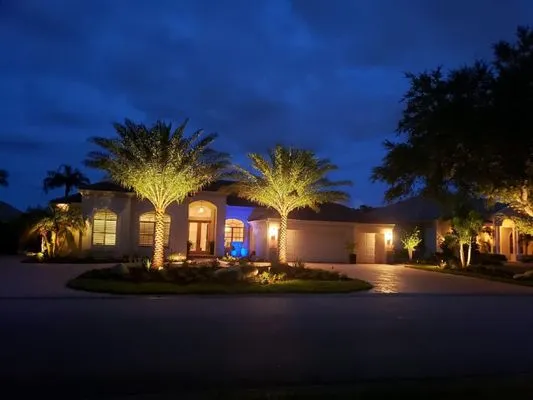
Mendoza's Landscaping Design in Bonita Springs, FL, is a full-service landscape architecture and construction firm dedicated to transforming outdoor spaces. We handle everything from initial concept a...

Quail Quality Lawn Service
Quail Quality Lawn Service in Bonita Springs, FL specializes in comprehensive landscaping solutions, from design and construction to ongoing maintenance. Founded by Pascual with a vision for professio...
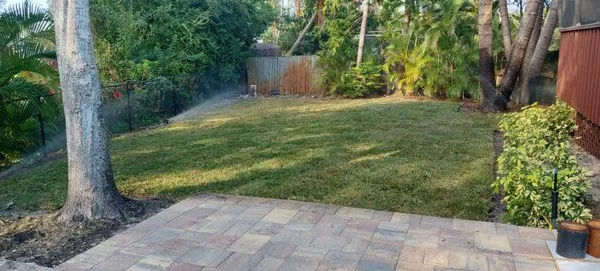
Providence Garden Landscaping
Providence Garden Landscaping is a locally owned and operated company serving Bonita Springs, FL, with comprehensive lawn and landscape solutions. We specialize in irrigation design, landscape design,...
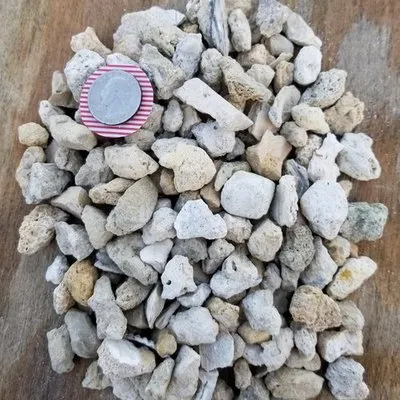
For four decades, Soon Come Landscaping has been a trusted partner for Sanibel and Lee County homeowners and businesses. As a full-service nursery and landscaping provider, we offer a comprehensive ra...
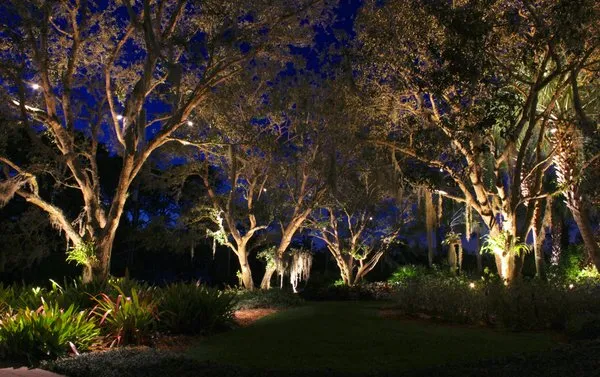
Stahlman-England
Founded by Naples native Mark Stahlman, Stahlman-England brings over four decades of local expertise to Southwest Florida's outdoor environments. What began as a family-run irrigation business in 1980...

Southern Green Landscaping & Lawn Care is a trusted, locally-owned and operated business serving Estero and Southwest Florida for over 20 years. We are a fully licensed and insured team of professiona...
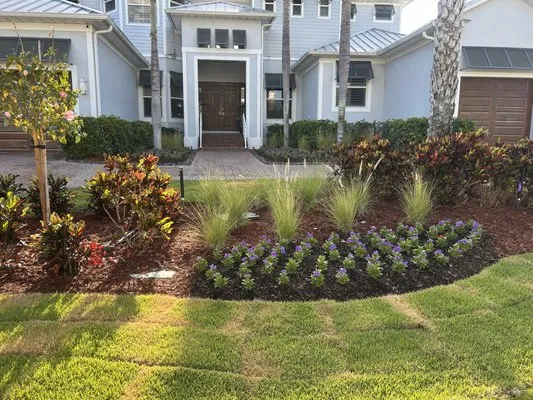
For over 25 years, Renfroe & Jackson has been a trusted partner for landscaping, irrigation, and tree care in Naples and Southwest Florida. We work directly with builders, developers, architects, and ...

Lee Lawn and Tree is a family-owned landscaping and tree service company in Fort Myers, Florida, with over 25 years of combined local experience. We specialize in comprehensive outdoor care, from rout...
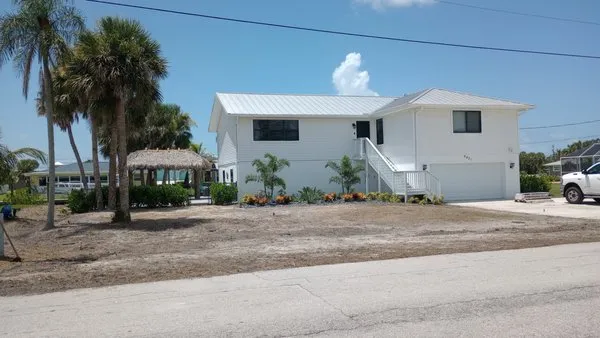
D & E Sod is a trusted, locally-owned landscaping company serving Naples, Florida for over a decade. We specialize in providing and installing high-quality sod for residential lawns, gardens, and comm...
At Mike's Southern Green Landscaping in Naples, FL, we bring a family-owned approach to tree services, pressure washing, and lawn care. Our team understands the unique needs of Southwest Florida prope...
Estimated Landscaping Service Costs in Three Oaks, FL
Questions and Answers
Our yard floods seasonally. What drainage solutions work with Three Oaks' high water table?
Sandy Spodosols in Three Oaks have limited permeability, exacerbating seasonal flooding from the high water table. Installing French drains with gravel beds redirects surface water, while coquina-based permeable pavers meet Lee County runoff standards by allowing 80-90% infiltration. Grading swales away from foundations creates positive drainage, reducing standing water that compromises root systems.
Should we use coquina pavers or wood for our new patio with fire safety concerns?
Coquina-based permeable pavers provide superior longevity and fire resistance compared to wood in Moderate WUI Zone 2 areas. Their natural composition withstands Florida's humidity without rotting, requiring minimal maintenance. The permeability reduces runoff while creating defensible space compliant with Firewise standards. Proper installation with geotextile fabric prevents weed growth and maintains structural integrity for decades.
What permits and licenses are needed for grading our 0.28-acre property?
Grading work on 0.28-acre lots in Lee County requires permits from the Department of Community Development, specifically for erosion control and drainage alterations. Contractors must hold Florida DBPR licensing for earthmoving operations exceeding certain volumes. Professional licensing ensures compliance with setback requirements, protects adjacent properties from runoff issues, and verifies proper disposal of excavated materials according to 2026 regulations.
Can we reduce maintenance while preparing for upcoming gas equipment restrictions?
Replacing high-maintenance St. Augustine with Beautyberry, Muhly Grass, Beach Verbena, and Saw Palmetto creates a low-input landscape that thrives in Zone 10a. These natives require minimal watering, no fertilization during summer blackout periods, and tolerate sandy Spodosols. Electric maintenance equipment operates quietly before 8 AM, aligning with noise ordinances while reducing carbon emissions by 2026 standards.
We've spotted invasive species. How do we treat them during fertilizer restriction months?
Common invasives like Brazilian pepper and cogongrass threaten native ecosystems in Three Oaks. Mechanical removal with root extraction prevents regrowth without violating the June 1-September 30 nitrogen/phosphorus ban. Spot-treating with EPA-approved herbicides in early March avoids pollinator activity peaks. Regular monitoring and native plant establishment create competitive barriers against reinfestation.
We need emergency storm cleanup to meet HOA compliance deadlines. How quickly can your team respond?
Our electric fleet dispatches from Three Oaks Community Park via I-75, arriving within 25-35 minutes during peak conditions. We prioritize HOA compliance work with battery-powered equipment that operates quietly within noise ordinance restrictions. This routing minimizes traffic delays while ensuring rapid debris removal and landscape restoration to municipal standards.
Our yard's soil seems compacted and drains poorly. Is this typical for Three Oaks Estates?
Three Oaks Estates lots, built around 2005, have 21-year-old soil profiles on sandy Spodosols with pH 5.5-6.5. These acidic, sandy soils naturally compact over two decades, reducing permeability and organic matter. Core aeration with compost amendments improves soil structure and water retention. Regular soil testing every 2-3 years maintains optimal pH for turf and native plant health.
How do we maintain St. Augustine grass with year-round water restrictions?
Smart Wi-Fi controllers with ET-based sensors adjust irrigation to actual evapotranspiration rates, reducing water use 30-40% while preserving Floratam turf health. These systems automatically comply with 2-day-per-week municipal limits by programming zone-specific run times. Deep, infrequent watering encourages root growth below the high water table, improving drought tolerance without violating conservation measures.
