Top Landscaping Services in Tamiami, FL, 33175 | Compare & Call

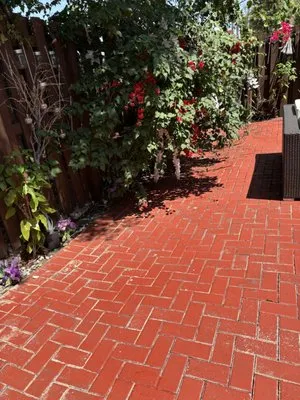
JJ Landscape is a trusted local landscaping company serving Tamiami, FL, and the surrounding communities. We specialize in tackling the unique environmental challenges faced by homeowners in our coast...

Diamond Cut Landscaping is a full-service landscaping contractor serving the Tamiami, FL community. We specialize in comprehensive solutions for local homeowners, directly tackling common issues like ...
Common Questions
How can we keep our St. Augustine grass alive while following the two-day-a-week watering rules?
Phase 1 restrictions make efficient water use mandatory. A smart, Wi-Fi ET-based controller, integrated with soil moisture sensors, is the critical tool. It automatically adjusts runtime based on real-time evapotranspiration data and actual soil conditions, preventing overwatering. This system delivers precise hydration directly to the root zone of Floratam or Palmetto St. Augustine, maximizing turf health while strictly adhering to municipal water allotments.
Is limestone or composite wood better for a new patio in terms of durability and safety?
Oolitic Limestone pavers are the superior choice for longevity and fire resilience. They are inert, non-combustible, and will not decay or warp in Florida's humidity. For the Moderate Wildfire Urban Interface rating in Tamiami, using non-flammable materials like stone is a key defensible space strategy. Limestone also integrates aesthetically with the local geology and, when installed with permeable joints, mitigates runoff better than solid decking systems.
Our yard floods after every summer storm. What solutions work with our high water table and rocky soil?
The Oolitic Limestone substrate creates a classic 'perched water table' scenario, where water cannot percolate downward. Effective solutions must manage surface flow. We design shallow retention swales and specify permeable installation methods for native Oolitic Limestone pavers to increase ground absorption. All drainage plans are engineered to meet Miami-Dade County runoff standards, often incorporating dry wells or French drains to intercept water before it pools.
We have an invasive vine taking over a hedge. How do we treat it without breaking fertilizer laws?
Common invasive alerts for this area include Brazilian Pepper and Skunkvine. Treatment focuses on precise, mechanical removal or targeted cut-stump herbicide application, which is distinct from broadcast fertilization. This approach avoids the County's Nitrogen blackout period (June 1-Sept 30) and the year-round Phosphorus ban, as it involves no soil-amending nutrients. Correct disposal of plant material is crucial to prevent re-establishment.
We want to reduce mowing, blowing, and watering. What are our options?
Transitioning perimeter zones to a climate-adaptive xeriscape with native plants like Muhly Grass, Coontie, and Firebush dramatically reduces resource inputs. These species require no supplemental irrigation once established, eliminate weekly mowing, and provide critical habitat. This shift also future-proofs your property against expanding noise ordinances targeting gas-powered blowers, as these plantings require minimal leaf litter management.
We have an HOA violation notice for overgrowth and need immediate service. How quickly can you respond?
An emergency compliance crew can be dispatched from our staging area near Tamiami Park. Using SR 836 (Dolphin Expressway), we project a 20-30 minute arrival to most addresses in the district during peak hours. Our electric maintenance fleet operates below 65dBA, allowing work to commence immediately upon arrival without noise ordinance conflicts. We prioritize these visits to resolve code violations within a single service window.
What permits and qualifications should we verify before hiring someone to regrade our yard?
Any significant grading or earthwork on a 0.22-acre lot typically requires a permit from the Miami-Dade County Department of Regulatory and Economic Resources (RER). Crucially, the contractor must hold a valid license from the Florida Department of Business and Professional Regulation (DBPR) in the appropriate category, such as 'Landscaping.' This state licensing ensures they are bonded, insured, and legally accountable for work that alters drainage patterns and soil stability.
Our lawn seems to struggle no matter what we do. Could the soil itself be the problem?
Properties in the Tamiami Park District, typically built around 1985, have soils approaching 40 years of maturity. The underlying Oolitic Limestone combined with decades of urban fill creates a high-pH, alkaline substrate with very low permeability. This compacted, calcareous soil severely limits root development and water infiltration for most turf and ornamentals. Core aeration and the incorporation of acidifying organic matter are not optional improvements but essential procedures to establish a functional rhizosphere.
