Top Landscaping Services in Sebring, FL, 33870 | Compare & Call

Christopher Lawncare provides dedicated lawn care services for Sebring, FL, homeowners. We understand the local challenges, such as soil compaction from heavy foot traffic and clay-based soil, as well...
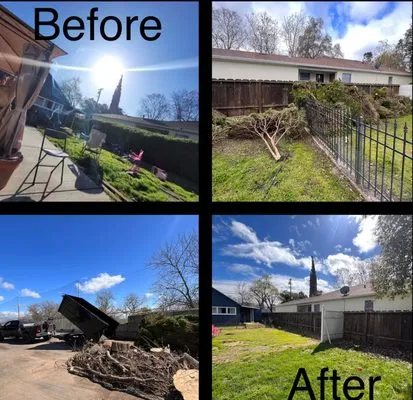
Mendoza Maintenance & Handyman is your trusted local solution in Sebring, FL, offering comprehensive lawn services, handyman work, and junk removal. We help Sebring homeowners tackle common landscapin...
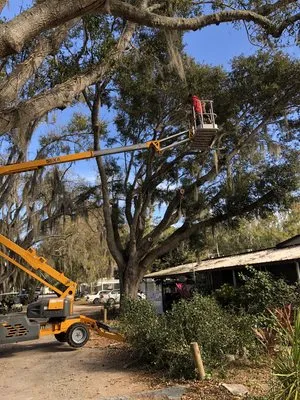
The Cutting Edge in Sebring, FL is a family-owned and operated tree and lawn service company with over 25 years of experience serving Highlands County. Founded by a local who discovered a passion for ...
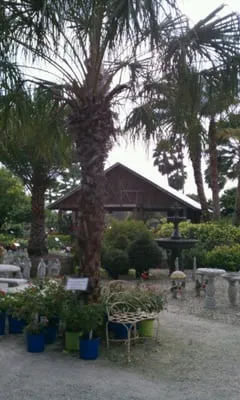
Robbins Nursery has been a trusted family-owned landscaping and plant nursery in Sebring, Florida, since 1976. With two retail locations across 39 acres, we specialize in growing most of our plants on...
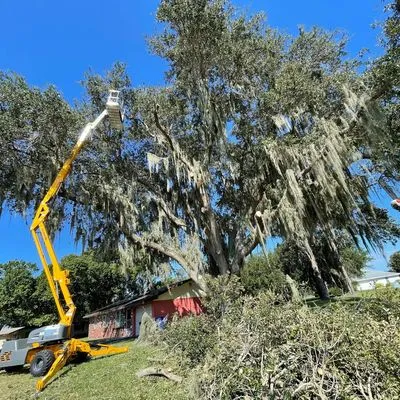
Rodney, the owner of Havery Property Services, started his journey in Sebring in 2013. What began as a part-time lawn care operation has grown into a full-service property company, fueled by a family ...
Lawn & Order, LLC in Sebring, FL, brings a unique blend of discipline and local care to landscaping. Founded by a retired police officer and a dedicated resident, their approach is built on reliabilit...
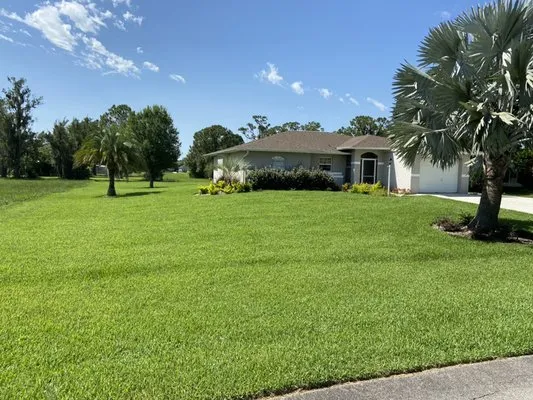
Joseph Adams Lawncare is a locally owned and operated business in Sebring, FL, founded in 2017 by Joseph Adams, who brings over a decade of lawn care experience. Driven by a desire to provide personal...

Avila Plants & Nursery Landscaping Sebring
Avila Plants & Nursery Landscaping Sebring is a full-service landscaping provider serving the Sebring, FL community. We specialize in gardening and landscape maintenance, offering practical solutions ...
TJ's Lawn Care & Landscaping is a family-owned and operated business serving Sebring, FL, with comprehensive lawn care and landscaping solutions. As a local company, we understand the specific needs o...
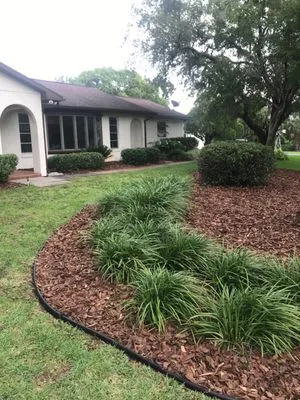
Bugs Bee-Ware Exterminating is a licensed pest control and landscaping provider serving Sebring and all of Highlands County, Florida. With over 25 years of local experience, we offer comprehensive pes...
Common Questions
Water seems to vanish into our yard instantly after a rain, yet we're worried about runoff rules. What's the solution?
Your high-permeability Spodosol soil acts like a sieve, causing rapid leaching of water and nutrients. The goal is to slow water movement to allow absorption. Using permeable concrete pavers or Ocala Limestone for patios and walkways creates a pervious surface that meets Highlands County Development Services runoff standards. These materials allow water to infiltrate locally, recharging groundwater rather than creating sheet flow.
We want to reduce mowing, blowing, and watering. What are the best low-input plants for our lot?
Transitioning to a native plant palette directly addresses maintenance inputs. Species like Beautyberry, Firebush, Saw Palmetto, and Muhly Grass are adapted to Zone 9b's climate and acidic soil, requiring minimal irrigation once established. This xeriscaping approach significantly reduces the need for weekly mowing and gas-powered blowing, aligning with evolving noise ordinances and electric fleet trends.
A storm blew down branches and debris, and our HOA gave a 48-hour cleanup notice. How quickly can you respond?
Our standard emergency cleanup protocol activates within 4 hours. For Highland Park, the primary dispatch route originates near Circle Park, proceeds north on US-27, and allows arrival within the 20-30 minute window, even during peak traffic. We coordinate all logistics to ensure compliance with your HOA's deadline, utilizing electric equipment to comply with the 7 AM to 9 PM noise ordinance.
Is a wooden deck or a paver patio better for longevity and safety in our fire-wise community?
For longevity and Firewise WUI Zone 2 compliance, concrete pavers or Ocala Limestone are superior to wood. These non-combustible materials provide critical defensible space adjacent to the home. They resist rot, insect damage, and decay common in Florida's humid climate, offering a decades-long service life with minimal maintenance compared to wood, which requires regular sealing and poses a higher fire risk.
With Sebring's year-round, two-days-per-week watering restrictions, how can we keep a Floratam St. Augustine lawn healthy?
Successful irrigation under conservation rules requires precision. A Wi-Fi ET-based system uses local weather data to apply only the water lost to evapotranspiration, maximizing each legal watering window. For sandy soil, we program multiple short cycles to prevent runoff and ensure deep penetration. This method, combined with proper mowing height, maintains turf health within municipal limits.
Our Highland Park yard was established around the original 1977 construction. Why does the soil feel so poor now?
A 49-year-old property on Sebring's acidic Spodosol soil has likely seen significant nutrient depletion. This sandy soil, with a pH of 5.5-6.0, leaches organic matter rapidly. Over decades, compaction from routine activity reduces aeration and water retention. Restoring soil health requires core aeration to relieve compaction and incorporating composted organic matter to rebuild structure and microbial life.
We want to regrade part of our 0.25-acre lot. What permits and contractor credentials are required?
Regrading that alters water flow or involves significant cut/fill typically requires a permit from Highlands County Development Services. For a project of this scale, ensure your contractor holds a valid license from the Florida Department of Business and Professional Regulation, specifically a Certified Specialty Contractor's license in the relevant category. This licensing guarantees they carry proper insurance and understand state building codes, protecting you from liability.
We've spotted invasive Mexican Petunia and Skunkvine. How do we treat them during the summer fertilizer blackout?
The local fertilizer ordinance prohibits nitrogen application from June 1 to September 30, but this does not restrict targeted herbicide use for invasive species. For Mexican Petunia and Skunkvine, a foliar-applied systemic herbicide is effective. Treatment should be done during active growth, with careful spot-application to avoid non-target plants. Always follow the product label and consider subsequent replanting with natives to prevent reinvasion.
