Top Landscaping Services in Sanibel, FL, 33957 | Compare & Call

For four decades, Soon Come Landscaping has been a trusted partner for Sanibel and Lee County homeowners and businesses. As a full-service nursery and landscaping provider, we offer a comprehensive ra...
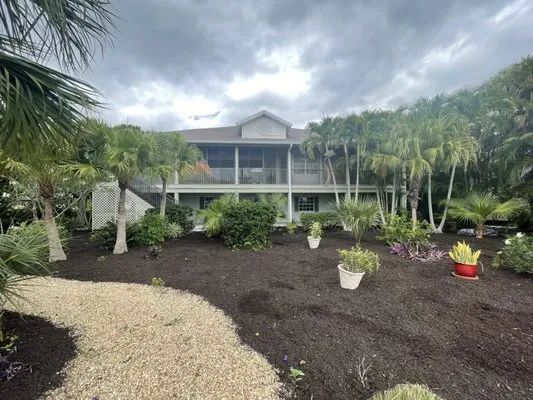
By The Coast Landscaping is a trusted tree and lawn care provider serving Sanibel, FL. We specialize in helping local homeowners maintain beautiful, healthy, and resilient landscapes in our unique coa...
Michael Rembrandt Landscaping is a dedicated local landscaping company serving Sanibel, FL. We specialize in addressing the unique challenges of island landscaping, particularly the common issues of t...

Beach View Landscape & Tree Service
Beach View Landscape & Tree Service is a licensed and insured landscaping contractor serving Sanibel and Captiva Islands with over 20 years of experience. Founded by Eric & Deb, this bilingual team sp...
EWC Landscape & Design
EWC Landscape & Design is a Sanibel-based landscape architecture and design firm specializing in creating resilient, beautiful outdoor spaces tailored to Southwest Florida's unique coastal environment...
Mike Rembrandt Landscaping is your trusted Sanibel partner for creating beautiful, functional, and resilient outdoor spaces. We specialize in comprehensive tree care and landscaping, including custom ...
Wilson Landscape & Pond Co has been an integral part of the Sanibel and Captiva island communities since 1999. As a locally owned and operated business, we are fully licensed and insured, serving as a...
Tree West
Tree West has been a trusted name for tree and landscape care in Sanibel and Southwest Florida since 1995. Founded and operated by certified arborists, the company is built on a deep understanding of ...
EnviroMow is a premier Sanibel, FL landscaping and tree service company dedicated to creating and maintaining resilient, beautiful coastal properties. We specialize in solving the unique challenges of...
Island Home Service
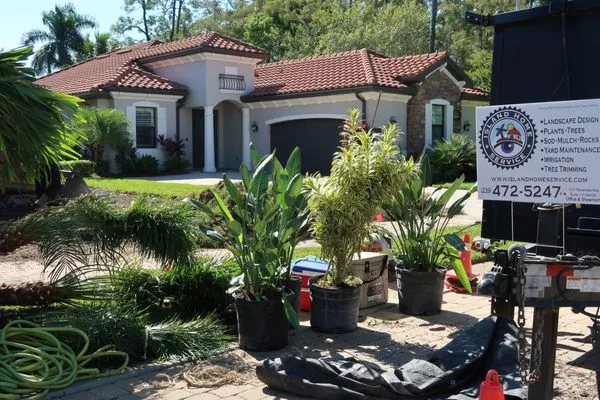
Island Home Service is a Sanibel-based landscaping company with over 20 years of experience serving the island's commercial, residential, and municipal properties. We specialize in comprehensive lawn ...
Frequently Asked Questions
With water restrictions, how do we keep our St. Augustine grass alive without wasting water?
Stage 1 voluntary conservation in Sanibel requires precise water management. Wi-Fi ET-based smart irrigation systems are essential. They use local weather data to apply only the water lost to evapotranspiration, preventing overwatering that exacerbates our poor soil percolation. This technology can maintain Floratam or Seville St. Augustine with 30-50% less water than traditional timers by automatically skipping cycles after rain and adjusting for seasonal demand.
Is a shell-based patio better than wood for our climate and fire risk?
Permeable shell-aggregate pavers are superior to wood for longevity and safety in Sanibel. Wood requires constant treatment against rot and termites. The inorganic shell material withstands salt, humidity, and UV radiation indefinitely with no maintenance. Furthermore, it provides a non-combustible, defensible space immediately around the home, a key requirement for maintaining a high Fire Wise rating in WUI Zone 1. This hardscape also manages stormwater, unlike solid concrete or wood decks.
What are the biggest weed threats here, and how do we deal with them organically?
The primary invasive alert is for Brazilian Pepper and Australian Pine. Manual removal of seedlings is most effective. For established plants, targeted cut-stump treatment with a glyphosate-based herbicide is necessary, but timing is critical to avoid the local fertilizer ordinance blackout period from June 1 to September 30. Always use a licensed applicator. Promoting dense growth of native groundcovers like Sea Grape and Beach Sunflower is the best organic defense, as they outcompete weeds for resources.
We want to regrade our yard. What permits and contractor credentials are required?
Regrading a 0.35-acre lot in Sanibel often triggers a permit from the City of Sanibel Planning Department, especially if it alters drainage patterns or involves significant soil movement. The contractor must hold a valid license from the Florida Department of Business and Professional Regulation, specifically in the category of 'Landscaping.' This ensures they are bonded, insured, and knowledgeable about local environmental codes, including protected root zones and mangrove setbacks. Never hire an unlicensed individual for this work, as improper grading can cause flooding violations for your and neighboring properties.
A storm knocked down a large branch. How quickly can a crew get here for an emergency cleanup?
For urgent situations like storm debris blocking access, we prioritize dispatch. A crew stationed near the J.N. Ding Darling National Wildlife Refuge can travel via Sanibel-Captiva Road directly to Sanibel Estates. Under normal traffic, arrival is within 45 minutes. During peak storm response times with island-wide debris, this can extend to the full 60-minute window. We coordinate to clear hazards first for safety and HOA compliance.
Our yard floods during heavy rains. What's a long-term solution for better drainage?
Flooding is common due to Sanibel's high water table, storm surge vulnerability, and the slow percolation of alkaline sandy soils. Simply regrading often fails. The integrated solution involves creating shallow swales to direct surface runoff and replacing solid pavers with permeable shell-aggregate materials. This system allows water to infiltrate on-site, meeting City of Sanibel Planning Department standards for reducing runoff and recharging the groundwater rather than overwhelming the storm drains.
Our yard's soil seems so sandy and compacted. Why is that, and what can we do?
Homes in Sanibel Estates, built around 1985, sit on soil that is now 40+ years old. Original construction typically stripped the native topsoil, leaving behind alkaline sandy and shell muck subsoil with poor structure. This soil has a high pH (7.5-8.2) and low organic matter, leading to compaction and poor water percolation. Correcting this requires core aeration and incorporating composted organic matter to rebuild soil biology and improve nutrient availability for plants.
We're tired of weekly mowing. What are lower-maintenance, native alternatives to our lawn?
Transitioning to a native plant palette drastically reduces maintenance. Replace turf areas with clusters of drought-tolerant Coontie, Beach Sunflower, and Saw Palmetto. These deep-rooted natives thrive in our sandy soil, require no fertilizer, and need only occasional trimming. This shift reduces mowing frequency and eliminates gas-powered blower use, aligning with noise ordinances and moving towards a quiet, electric maintenance fleet. It also provides superior habitat for local wildlife, complementing the nearby refuge.
