Top Landscaping Services in Saint Cloud, FL, 34744 | Compare & Call

There are 239 landscaping companies server in Saint Cloud FL
Carrollwood Lawn Care is a locally-owned lawn service in Temple Terr, FL, founded in 2013 by Aidan Webb. Starting with just two clients, Aidan has grown the business through dedicated, hands-on care, ...
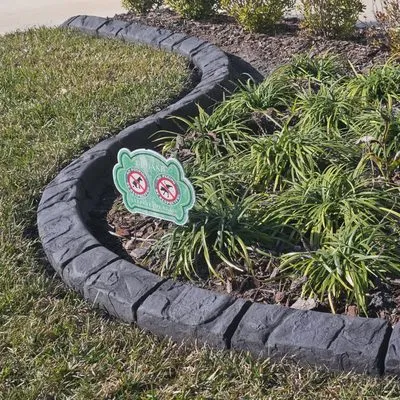
Border Masters is a family-owned masonry and landscaping business proudly serving Dover and surrounding areas. With over 18 years of hands-on experience, we specialize in the creation and installation...
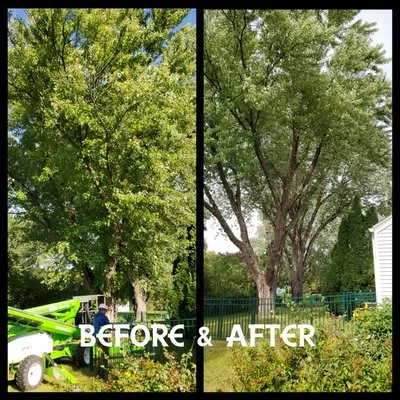
Triple X Tree Service and Landscape is a trusted, full-service provider serving Lakeland, FL, specializing in comprehensive tree care and landscaping solutions. With expertise in tree pruning, removal...
New Era Landscaping is a Winter Haven-based, all-electric landscaping company dedicated to creating beautiful, sustainable outdoor spaces for Central Florida. We specialize in artificial turf installa...
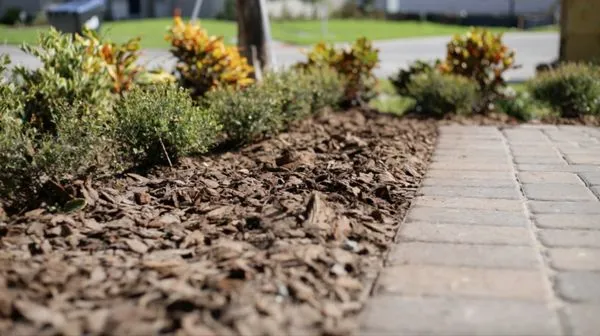
Mulch Inc. is a family-owned mulch manufacturer in Orlando, FL, founded by Randy, a U.S. Marine Corps veteran with deep roots in farming and outdoor living. Combining leading technology with a passion...
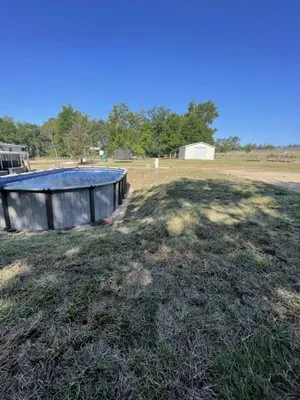
Trinity Land Solutions is a family-owned excavation and land services company based in Brooksville, serving the greater Central Florida area. We are dedicated to understanding and fulfilling the speci...
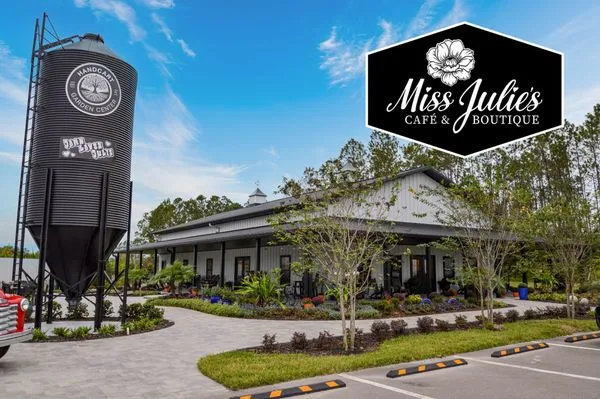
Handcart Garden Center
Handcart Garden Center is a Dade City nursery and landscaping service founded in 2024 by John and Julie Faulkner, a couple with over 40 years of combined experience. Spanning 20 acres with 10 currentl...
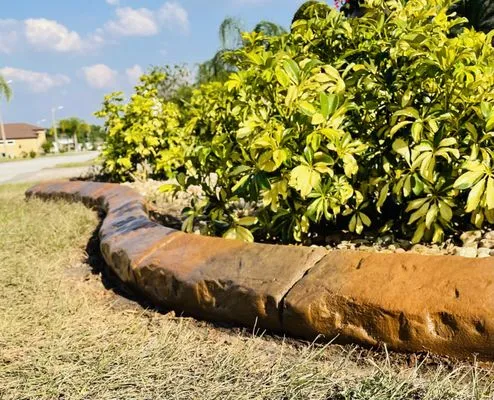
The Gardens Edge LLC is a family-owned and operated masonry and landscaping business serving Dade City, Florida. As a local Florida family born and raised in the area, we bring deep community roots an...
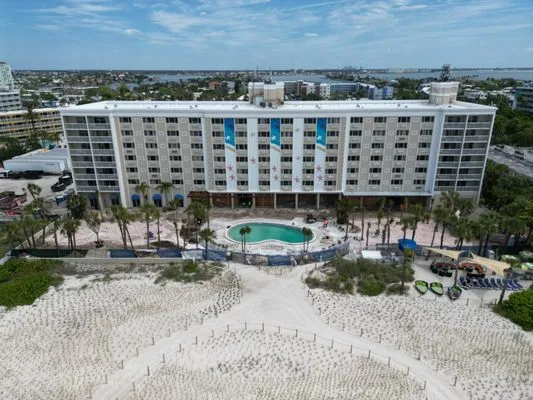
Pine Lake Nursery & Landscape
For over twenty years, Pine Lake Nursery & Landscape has been a trusted name in the Tampa Bay area, from Orlando to Sarasota, with deep roots right here in Odessa, FL. Founded on the principle of beco...
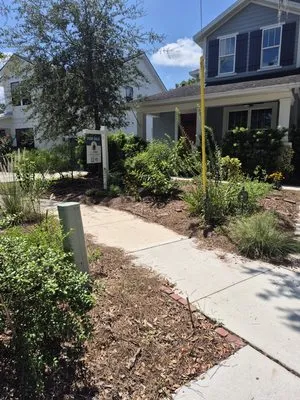
After a 29-year U.S. Army career, I found a new mission in making landscapes thrive. For over 13 years in arid West Texas, I built an irrigation business focused on water conservation. I furthered my ...
Estimated Landscaping Service Costs in Saint Cloud, FL
Question Answers
Why does my 25-year-old St. Cloud lawn have drainage issues despite regular care?
Downtown St. Cloud properties built around 2001 sit on acidic sandy Spodosols with pH 5.5-6.5. Over 25 years, these soils develop compaction layers that restrict water percolation. Core aeration with organic amendments like composted pine bark improves soil structure and permeability. This addresses the high water table common in our area by enhancing root zone drainage.
How quickly can you respond to an HOA violation notice for overgrown turf?
Emergency cleanup crews dispatch from St. Cloud Lakefront Park via US-192, arriving within 25-35 minutes during peak hours. We prioritize St. Augustine turf violations with same-day service using electric equipment compliant with 8pm-7am noise restrictions. This rapid response prevents escalation to formal citations while maintaining neighborhood aesthetic standards.
What solutions prevent seasonal flooding in sandy Spodosol yards?
Acidic sandy Spodosols in St. Cloud have limited permeability despite their sandy texture. Installing permeable concrete pavers creates surface infiltration points that meet City of St. Cloud Development Services runoff standards. French drains with clean gravel layers redirect subsurface water away from foundations. These systems work with the high water table rather than against it, reducing ponding during summer storms.
Can I maintain Floratam St. Augustine grass with only two watering days per week?
Wi-Fi ET-based weather sensing with soil moisture sensors optimizes irrigation within year-round conservation limits. This technology calculates evapotranspiration rates to deliver precise water volumes during designated days. Soil sensors prevent overwatering by activating only when root zone moisture drops below threshold levels. Properly calibrated systems preserve turf health while reducing municipal water consumption by 30-40%.
What permits and licenses are required for grading my 0.22-acre lot?
Grading projects exceeding 100 cubic yards require City of St. Cloud Development Services permits for erosion control. Florida Department of Business and Professional Regulation licensing ensures contractors understand soil compaction standards and drainage regulations. Certified professionals carry insurance covering subsurface utility strikes and neighbor damage claims. Unlicensed grading risks fines up to $10,000 and mandatory restoration orders.
Are permeable pavers better than wood decking for fire safety?
Permeable concrete pavers provide non-combustible surfaces that meet Moderate Fire Wise Rating requirements for WUI Zone 2. Unlike wood decking, pavers maintain defensible space without chemical treatments. Their 40+ year lifespan exceeds pressure-treated lumber by 300% in Florida's humid climate. Proper installation creates firebreaks while managing stormwater runoff through designed permeability rates.
How do I treat invasive species without violating fertilizer blackout dates?
Cogongrass and Brazilian pepper present the highest invasive risks in USDA Zone 9b. Mechanical removal during June-September avoids fertilizer ordinance conflicts. Targeted herbicide applications use surfactants rather than nitrogen or phosphorus compounds. Post-treatment soil amendments with mycorrhizae restore microbial balance without triggering blackout violations. Regular monitoring prevents re-establishment through integrated pest management protocols.
Should I replace high-maintenance turf with native plants?
Transitioning from St. Augustine to Beautyberry, Muhly Grass, and Firebush reduces mowing frequency and irrigation demands. Native plantings require minimal fertilization, aligning with June-September nitrogen/phosphorus restrictions. Electric maintenance equipment operates quietly within noise ordinance hours while supporting 2026 biodiversity standards. This approach creates habitat corridors that benefit local pollinators and wildlife.
