Top Landscaping Services in Princeton, FL, 33032 | Compare & Call

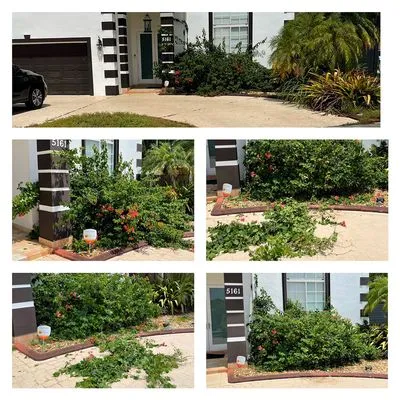
Sunkissed Lawn Care Services
Sunkissed Lawn Care Services was established in 2021 in Princeton, FL, born from a genuine passion for home improvement and a commitment to helping neighbors achieve their dream outdoor spaces afforda...
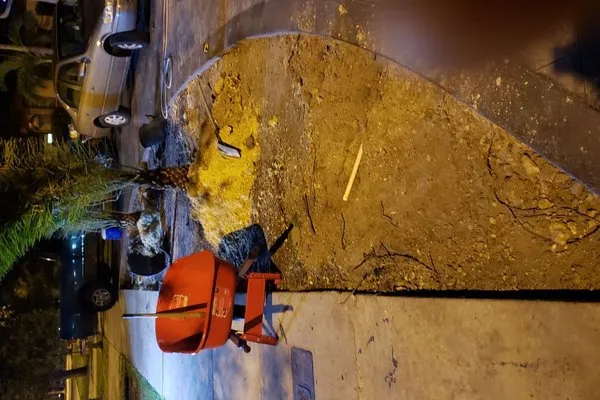
Nyce Lawn Services
Nyce Lawn Services brings over 25 years of hands-on landscaping expertise to every job in Princeton, FL. Founded on a commitment to reliable, quality work, the company is a licensed, bonded, and insur...
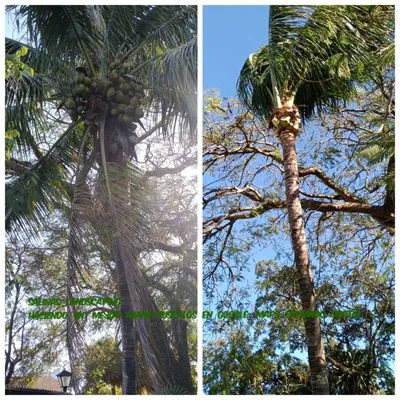
Salinas Landscaping began in 2013 when its founder transitioned from working for a landscaping company to building his own business in Princeton, FL. For over a decade, the team has focused on a perso...
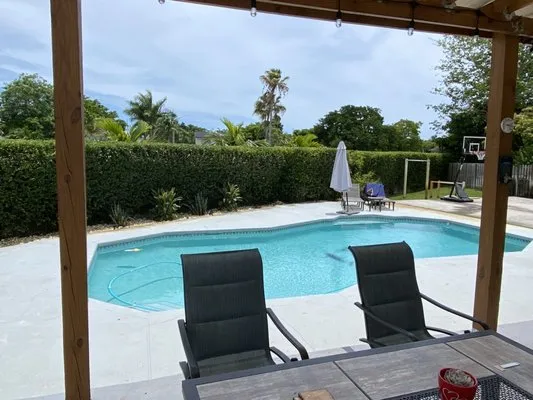
Founded in 1992 by Jose and Irma Rubio with a simple lawnmower and shears, Rubio Landscaping Corporation has grown from a local Princeton, FL operation into a trusted name serving Miami-Dade County an...
First Choice Landscaping is your trusted local partner for maintaining beautiful, healthy outdoor spaces in Princeton, FL. We understand the unique challenges Princeton properties face, such as irriga...

Hunters Landscaping Service is a trusted, locally-owned provider in Princeton, FL, dedicated to solving the everyday landscaping challenges homeowners face. We understand the frustration of persistent...

Clean Cut Property Maintenance is Princeton, FL's trusted local lawn care provider, dedicated to solving the common landscaping challenges homeowners face. We specialize in consistent, professional la...
Jordi's Lawn Care is your Princeton neighbor dedicated to solving the specific lawn and landscaping challenges of our community. We understand that local homeowners often struggle with salt damage to ...
Common Questions
Our yard floods during summer rains despite the high water table. What drainage solutions work with Princeton's karst limestone?
Karst limestone saturation creates unique drainage challenges where traditional French drains may channel water into underground cavities. Permeable Oolitic limestone paver installations with aggregate bases provide surface water management while meeting Miami-Dade County runoff standards. These systems allow gradual infiltration that accommodates the Rockdale soil's moderate permeability without overwhelming the natural hydrology.
How can we maintain Floratam St. Augustine grass with Phase 1 water restrictions limiting irrigation to two days weekly?
Smart Wi-Fi controllers with soil moisture sensors optimize irrigation by applying water only when ET rates indicate need, typically during early morning hours. These systems can maintain Floratam turf with 30-40% less water than traditional schedules by preventing runoff and deep percolation losses. Proper calibration accounts for Princeton's high water table, where karst limestone saturation reduces irrigation requirements compared to freely draining soils.
We've noticed invasive Brazilian pepper spreading. How can we treat it during summer fertilizer blackout dates?
Brazilian pepper requires mechanical removal or targeted herbicide applications timed outside the June 1-September 30 nitrogen/phosphorus ordinance window. Manual extraction with root ball removal prevents resprouting without violating fertilizer restrictions. For established infestations, fall applications of glyphosate to cut stumps avoid nutrient runoff concerns while utilizing the plant's natural translocation period for effective control.
We want to reduce mowing and gas equipment noise. What native alternatives work for Princeton's climate?
Replacing high-maintenance turf with Firebush, Coontie, Beautyberry, and Simpson's Stopper creates resilient landscapes requiring minimal irrigation and no weekly mowing. These natives thrive in Zone 11a conditions with seasonal rainfall alone once established. Transitioning to electric maintenance equipment ahead of noise ordinance expansions reduces operational conflicts while supporting 2026 biodiversity standards for urban-wildland interfaces.
What permits and licenses are needed for regrading our 0.22-acre Princeton property?
Grading work on 0.22-acre lots requires Miami-Dade County Department of Regulatory and Economic Resources permits for earth moving exceeding 50 cubic yards. Contractors must hold Florida Department of Business and Professional Regulation licensing for excavation and drainage system installation. These regulations ensure proper stormwater management on Rockdale soils where improper grading can exacerbate karst limestone saturation issues and affect neighboring properties.
We need emergency storm debris cleanup to meet HOA compliance deadlines. How quickly can your team respond?
Our electric maintenance fleet can dispatch from the South Miami-Dade Cultural Arts Center area within 25-40 minutes during peak response windows. We route via US-1 (Overseas Highway) to Princeton Park, avoiding noise ordinance restrictions that prohibit gas-powered equipment after 8 PM. This electric equipment allows extended evening work windows while maintaining compliance with local sound regulations for commercial operations.
Should we use Oolitic limestone or wood for our new patio in Princeton's moderate fire risk area?
Oolitic limestone pavers provide superior longevity and fire resistance compared to wood in Princeton's moderate urban-wildland interface rating. This native stone maintains structural integrity with minimal maintenance while creating defensible space through non-combustible surface area. Limestone's thermal mass also moderates microclimate temperatures more effectively than wood, reducing irrigation demand for adjacent plantings.
My Princeton Park yard seems compacted and drains poorly. Is this typical for our neighborhood's soil?
Princeton Park's 2007-built homes sit on Rockdale Fine Sandy Loam with pH 7.5-8.2, creating 19-year-old soil profiles that often develop compaction layers. This alkaline, fine-textured soil naturally restricts water percolation and root penetration over time. Core aeration with organic amendments like composted pine bark can improve soil structure and microbial activity. Without intervention, turfgrass like St. Augustine struggles to establish deep root systems in these conditions.
