Top Landscaping Services in Port Charlotte, FL, 33938 | Compare & Call

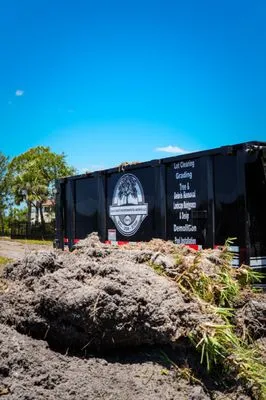
Gulf Coast Environmental Works
Gulf Coast Environmental Works LLC is a Port Charlotte-based company specializing in comprehensive land management and environmental solutions. Our team provides a wide range of services, from expert ...
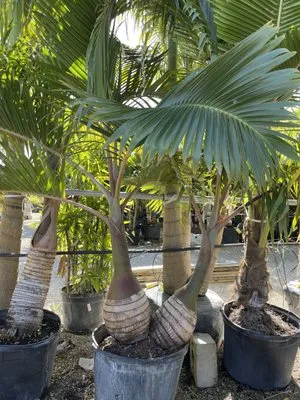
Craig's Perfect Turf Landscaping
Craig's Perfect Turf Landscaping has been a trusted local landscaping company in Port Charlotte, FL, since 2001. Owned and operated by native Floridian Craig Gabbard, this licensed, bonded, and insure...

Floratropic Landscape And Design
Floratropic Landscape And Design is a family-owned and operated landscaping business serving Port Charlotte, FL, with expertise in landscape design, installation, and maintenance. Specializing in Flor...
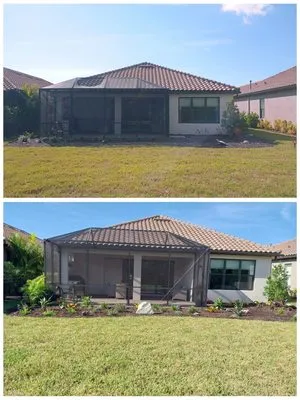
Freedom Gardening & Landscaping
Freedom Gardening & Landscaping, based in Port Charlotte, FL, has been transforming local yards since 2002. Founded by Sarah Kargo, whose passion for gardening began at age 13 with her grandmother, th...
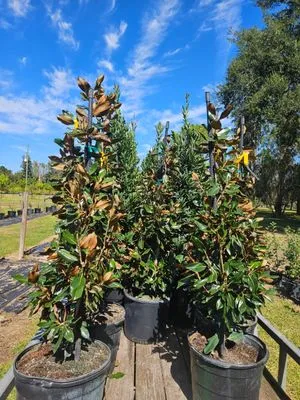
JTB Yard Services is a full-service landscaping company serving Port Charlotte, FL, specializing in irrigation, landscape construction, and comprehensive plant care. We understand the specific challen...

RJs Lawn Care is a trusted local lawn service provider in Port Charlotte, FL, specializing in comprehensive lawn care solutions tailored to the unique needs of Southwest Florida. We understand the com...
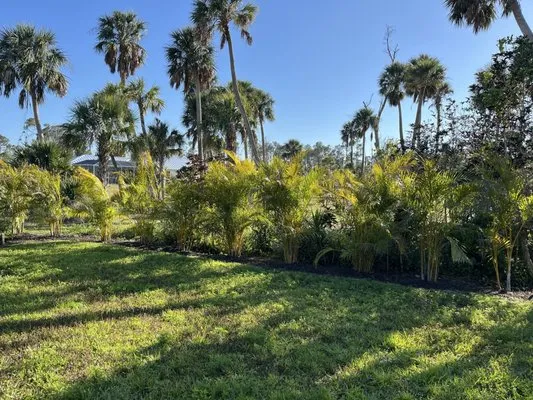
SAMA Landscaping & Lawn Service
SAMA Landscaping & Lawn Service has been a trusted partner for Port Charlotte homeowners for years, offering a comprehensive range of services to create and maintain beautiful, functional outdoor spac...
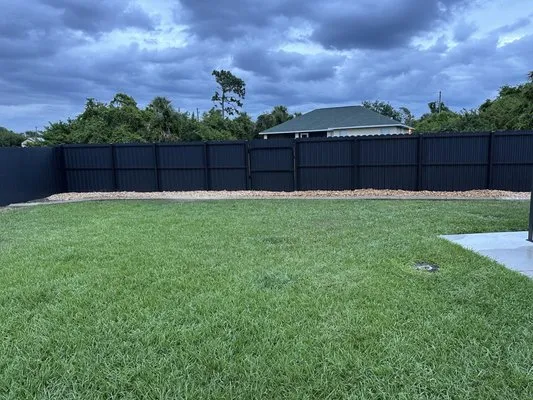
Estrada Landscaping and Concrete Curbing is a Port Charlotte-based company dedicated to enhancing the beauty and functionality of local landscapes. Specializing in both masonry/concrete work and compr...
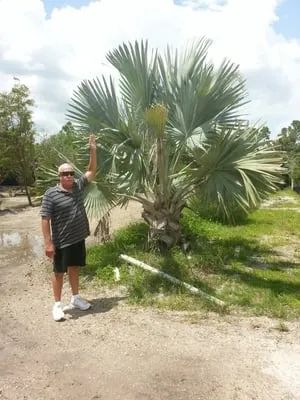
J ALynch Landscaping is a family-owned and operated business serving Port Charlotte, Florida, since 1984. Founded by James, who has always valued neat, clean landscaping and enjoys the outdoors, the c...

EverEdge Lawn and Landcare serves Charlotte County and North Port, providing reliable lawn and landscape services for local homeowners. Our focus is on delivering consistent, quality care for your out...
Question Answers
I see a fast-spreading vine taking over my shrubs. How do I stop it without harming everything else?
This is likely an invasive species like Skunkvine or Air Potato. Manual removal of tubers and vines is the first step. For persistent issues, a targeted, systemic herbicide applied by a licensed professional is effective. Any treatment must be planned around the local fertilizer ordinance, which prohibits nitrogen and phosphorus applications from June 1 through September 30, to avoid nutrient runoff into our sensitive watersheds.
My yard holds water for days after a heavy rain. What's the long-term fix?
Seasonal inundation is common due to the high water table and the hardpan in our Sandy Spodosols. The solution integrates grading and permeable materials. Re-grading to create subtle swales directs water away from foundations. Replacing solid concrete with shell-based pavers for patios or walkways increases surface permeability, allowing water to infiltrate and reducing runoff, which helps meet Charlotte County Community Development drainage standards.
Should I use wood or shell-based pavers for a new patio that will last?
For longevity and fire resistance, shell-based pavers are superior. They are inert, do not rot or warp, and require no chemical treatments. In our Moderate (WUI Zone 2) fire-wise rating area, creating defensible space is advised. Non-combustible hardscape materials like these pavers provide a critical barrier, slowing fire spread and protecting your home, unlike wood decks or mulch beds placed too close to structures.
My lawn is sandy and nothing seems to grow well. Is this just how Florida soil is?
Port Charlotte Central lots built in the early 1980s like yours have 40+ year-old Sandy Spodosols. This soil profile is naturally acidic and nutrient-poor, with a dense, impermeable hardpan layer that restricts root growth and water percolation. The issue is not just sand, but soil structure. Core aeration followed by amendments like composted yard waste or pine fines is critical to increase organic matter, improve permeability, and build a healthy rhizosphere for turf and landscape plants.
I'm tired of weekly mowing and gas blower noise. Are there quieter, lower-maintenance options?
Transitioning high-maintenance turf areas to a climate-adaptive xeriscape with native plants significantly reduces noise and labor. Planting clusters of Firebush, Muhly Grass, Coontie, and Beautyberry creates a resilient, biodiverse landscape that thrives on seasonal rainfall. This approach future-proofs your property against tightening noise ordinances on gas-powered equipment and supports the 2026 push for electric maintenance fleets and reduced carbon footprints.
My contractor says he doesn't need a permit to re-grade my yard. Is that true?
It is not. Significant grading that alters drainage patterns on a 0.23-acre lot almost always requires a permit from the Charlotte County Community Development department. Furthermore, the individual or company performing the work must hold the appropriate licensing from the Florida Department of Business and Professional Regulation. This ensures the work complies with state building codes and local water management ordinances, protecting you from liability and future property damage.
How can I keep my St. Augustine grass alive with only two watering days a week?
Stage 1 water restrictions require efficient irrigation. A properly programmed Smart ET-based Weather Sensing Controller is essential. It automatically adjusts runtime based on real-time evapotranspiration data, applying water only when and where the lawn needs it. This technology, combined with a deep and infrequent watering schedule, promotes deeper root growth in Floratam St. Augustine, making it more drought-resilient and keeping it within municipal water budgets.
A storm knocked down branches and my HOA gave me a 48-hour notice. How fast can you get here?
Emergency cleanup crews dispatch from the Charlotte Sports Park area. Using US-41 (Tamiami Trail), the travel time to Port Charlotte Central is typically 45-60 minutes during peak response periods following a weather event. The crew will coordinate arrival to comply with standard daytime noise ordinances. The priority is to secure the site, clear debris from structures and walkways, and document the work for your HOA compliance submission.
