Top Landscaping Services in Pinecrest, FL, 33143 | Compare & Call

Acres Care is a trusted, family-owned landscaping and construction company serving Pinecrest, FL, for over three decades. We specialize in transforming outdoor spaces with comprehensive services rangi...
C.S.G Landscaping is a trusted Pinecrest, FL-based company specializing in landscaping, tree services, and pressure washing. We provide comprehensive landscape maintenance and expert tree care to enha...

Lil D Lawn Services is your trusted, local lawn and tree care provider in Pinecrest, FL. We specialize in creating and maintaining healthy, vibrant landscapes suited to our specific South Florida clim...

Lawn Care and Nursery in Pinecrest, FL, provides expert lawn and garden services tailored to our local climate and common challenges. We specialize in diagnosing and treating prevalent issues like des...
Q&A
How do we keep a St. Augustine lawn healthy with only two watering days per week?
Phase 1 water restrictions require precise management. A Wi-Fi ET-based irrigation controller is non-negotiable; it schedules runtime based on real-time evapotranspiration data and rain sensors, preventing overwatering. For Floratam or Palmetto St. Augustine, deep, infrequent watering on assigned days encourages deeper root growth, improving drought tolerance. Proper calibration ensures each zone delivers water uniformly, maximizing efficiency within the municipal limits while maintaining turf health.
We have storm damage and need an emergency cleanup to meet HOA compliance deadlines. How fast can you respond?
Our electric equipment fleet is designed for quiet, rapid deployment within Pinecrest's noise ordinance windows. For a property in Pinecrest Village Center, our standard dispatch routes from Pinecrest Gardens north via US-1. Accounting for typical midday traffic, we can mobilize a crew for an initial assessment and debris removal within the 20-30 minute peak storm response window. This allows us to secure the site and begin documentation for insurance or HOA review promptly.
Our yard has persistent puddling after summer rains. What's the best solution for this high water table?
Localized flooding is common due to Pinecrest's high water table and the low permeability of dense, calcareous soils. A graded swale or French drain system can redirect surface water. For hardscape areas, specifying permeable installation methods for Oolitic Limestone pavers increases ground absorption. The Village of Pinecrest Building & Planning Department requires engineered drainage plans for new installations to manage runoff, making a professional assessment critical for compliance and function.
What permits and credentials are needed to regrade and replant our half-acre property?
Regrading a 0.50-acre lot in Pinecrest typically requires a permit from the Village of Pinecrest Building & Planning Department to ensure proper water flow and compliance with land alteration codes. The contractor must hold a valid license from the Florida Department of Business and Professional Regulation (DBPR), specifically in the correct category like landscaping or specialty structure. This licensing ensures they carry adequate insurance and possess the technical knowledge for soil movement, drainage engineering, and protecting existing tree root zones.
Are Oolitic Limestone pavers a better long-term choice than wood decking for our patio?
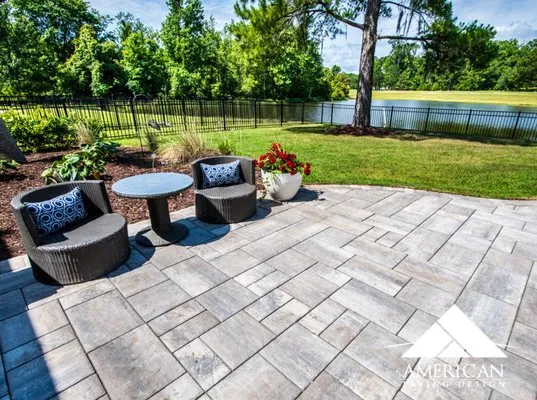
For longevity and low maintenance in Zone 11a, Oolitic Limestone is superior. It is a native material that withstands humidity, rain, and insect pressure without rotting, warping, or requiring chemical treatments. From a Firewise perspective, its non-combustible nature contributes to defensible space in this Moderate Urban Interface rating zone. Properly installed with adequate base material, it provides a permanent, permeable surface that integrates seamlessly with the local ecology and architecture.
Why does our soil seem so compacted and alkaline, even after decades in the neighborhood?
Pinecrest lots, developed around 1969, have mature soil profiles built upon the native Oolitic Limestone bedrock. Over 57 years, typical construction practices and maintenance have compressed the shallow topsoil, reducing permeability. This calcareous base naturally maintains a pH of 7.5-8.2, which can limit nutrient availability for many plants. Annual core aeration and amendments with organic compost are essential to counteract this compaction and improve soil biology.
We've spotted invasive vines taking over a hedge. How do we treat them during the summer fertilizer blackout?
Common invasive species like Brazilian Pepper or Skunkvine require immediate, targeted action. During the local fertilizer ordinance blackout (June 1 - Sept 30), nitrogen applications are prohibited, but precise, manual removal or careful cut-stump treatments with approved herbicides are still permissible for invasive control. The key is targeted application to avoid soil leaching and runoff. A sustained management plan combining removal with planting of competitive natives like Beautyberry is the most effective long-term strategy.
Is there a lower-maintenance alternative to our high-input lawn that still looks refined?
Transitioning perimeter zones to a layered planting of Florida natives like Firebush, Coontie, and Simpson's Stopper drastically reduces water, mowing, and chemical inputs. These plants are adapted to the local pH and rainfall patterns. This shift also aligns with evolving municipal codes anticipating stricter gas-powered equipment limits. A designed xeriscape with mulch beds and native ground covers reduces maintenance frequency and supports local biodiversity, creating a resilient landscape.
