Top Landscaping Services in Pensacola, FL, 32501 | Compare & Call
There are 219 landscaping companies server in Pensacola FL
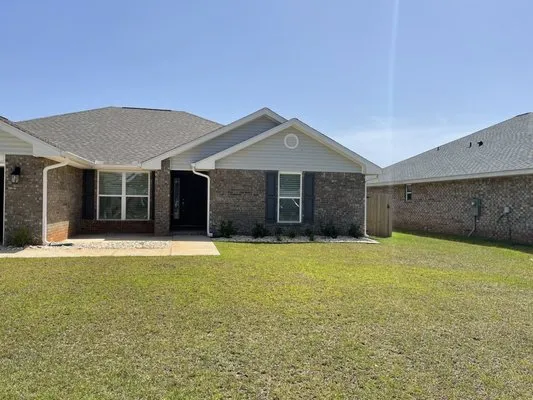
Gulf Coast Premier Landscaping is a trusted, locally-owned Pensacola company specializing in landscape maintenance, tree care, and pressure washing services. We understand the unique challenges of mai...
Panhandle Ponds is a licensed and certified pond contractor founded in 2007, serving the coastal communities of Pensacola, Gulf Breeze, Navarre, and Fort Walton Beach. We specialize in designing and i...
GreensProLawnCare has been a trusted lawn and tree care provider for Pensacola homeowners since 2018. Founded by local specialists, we focus on making your yard healthy and manageable. Our comprehensi...
Christian’s Lawn Care
Christian's Lawn Care is a locally-owned and operated Pensacola business with deep roots in the community. Founded by Christian, who began his lawn care journey as a teenager, this company brings over...
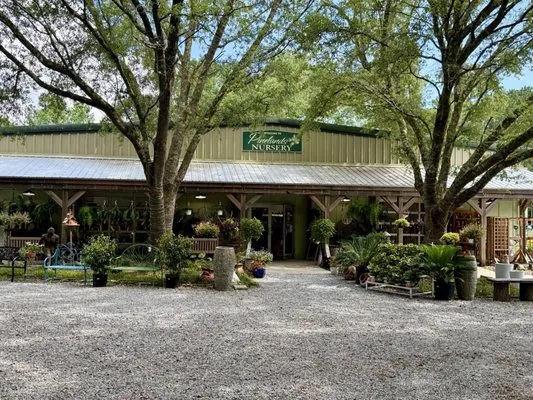
Pinelands Nursery Company is a family-owned nursery and landscaping business in Milton, FL, specializing in shrub care, landscape maintenance, and providing a wide selection of plants and garden suppl...
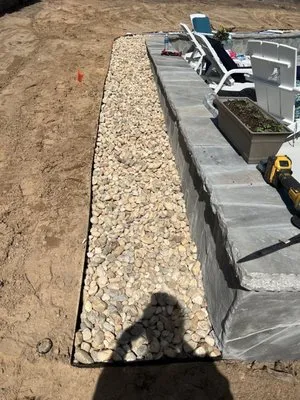
South Coast Landscaping is a locally owned and operated landscape and hardscape company proudly serving Pensacola and Northwest Florida since 2016. We build and maintain functional, beautiful outdoor ...

Vine and Branches Lawn and Tree Service is a trusted local provider in Pensacola, FL, dedicated to the health and safety of your landscape. Our team specializes in comprehensive tree and lawn care, fr...
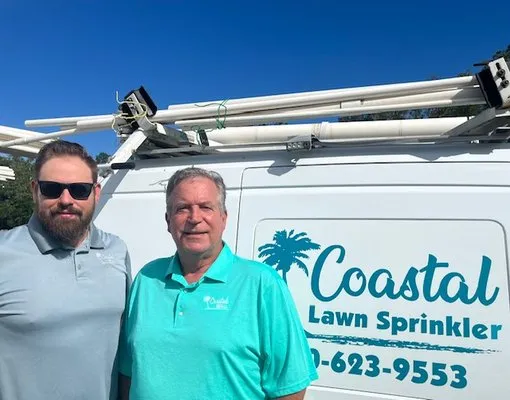
Coastal Lawn Sprinkler
Founded in 1981, Coastal Lawn Sprinkler is a family-owned and operated irrigation and landscaping company serving Milton, FL, and the surrounding area. With over 40 years of experience, our licensed t...
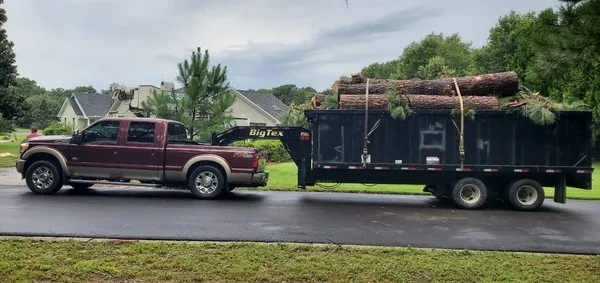
Walt's Lawn and Tree Service is your trusted local expert in Pensacola, FL, dedicated to keeping your property healthy and beautiful. We understand the common challenges Pensacola homeowners face, lik...
Ripples in Pensacola, FL, is a locally owned and operated landscaping and gardening business with deep roots in the community. Founded as a sole proprietorship in 1998 and incorporated in 2006, we spe...
Estimated Landscaping Service Costs in Pensacola, FL
FAQs
What permits and licenses are needed for grading my 0.22-acre lot?
Grading work exceeding 50 cubic yards requires a permit from the City of Pensacola Planning Services Department. Contractors must hold appropriate licensing through the Florida Department of Business and Professional Regulation. Professional oversight ensures proper drainage patterns and prevents soil erosion into neighboring properties. Licensed professionals also carry insurance protecting against subsurface utility damage during excavation.
Why does my East Hill lawn struggle despite regular care?
Properties built around 1972 have soil that has matured for over 50 years, developing acidic sandy loam with pH 5.5-6.5 typical for Pensacola. This soil type often becomes compacted, reducing permeability and root oxygen access. Core aeration combined with organic amendments like composted pine bark improves soil structure and nutrient retention. Addressing these foundational issues supports healthier turf and reduces long-term maintenance needs.
What solutions work for seasonal flooding in sandy soil?
Acidic sandy loam in Pensacola has poor water retention yet experiences high water table issues. Permeable concrete pavers create surfaces that allow 80-90% of rainfall to infiltrate, reducing localized flooding. These systems often meet City of Pensacola Planning Services Department runoff standards without additional drainage infrastructure. Combining permeable hardscapes with French drains addresses both surface and subsurface water movement.
Are permeable pavers better than wood for durability and safety?
Permeable concrete pavers typically last 25+ years with minimal maintenance, outperforming wood's 10-15 year lifespan in humid climates. Their non-combustible nature supports moderate Fire Wise ratings by creating defensible space around structures. The interlocking design allows for thermal expansion without cracking. This material choice reduces long-term replacement costs while meeting urban interface compliance standards.
Can I keep my St. Augustine grass healthy under water restrictions?
Wi-Fi ET-based weather sensing irrigation adjusts watering schedules using real-time evapotranspiration data. This technology reduces water use by 20-30% while maintaining turf health during Stage 1 voluntary conservation. Properly calibrated systems deliver deep, infrequent watering that encourages root growth. This approach meets municipal limits while preserving Floratam or Centipede grass vigor through Pensacola's dry periods.
How quickly can you respond to storm damage for HOA compliance?
Emergency cleanup crews dispatch from Bayview Park via I-110, reaching East Hill within 20-30 minutes during peak conditions. This route optimizes access to neighborhoods with downed limbs or debris. Electric maintenance fleets operate quietly within noise ordinance hours, allowing early morning starts. Rapid response prevents safety hazards and meets most HOA notification deadlines.
How can I reduce maintenance while supporting local ecology?
Replacing high-water turf with native plants like Southern Magnolia, Beautyberry, and Muhly Grass creates resilient landscapes. These species require minimal irrigation once established and support 2026 biodiversity standards. Transitioning to electric equipment ahead of noise ordinance restrictions reduces operational noise and emissions. Native plantings also decrease fertilizer needs, aligning with urban interface compliance requirements.
What invasive species threaten Pensacola landscapes, and how are they managed?
Cogongrass and Chinese tallow present significant invasive risks in USDA Zone 9a. Treatment requires careful timing outside the June 1-September 30 fertilizer ordinance blackout period to prevent nutrient runoff. Mechanical removal combined with targeted herbicide applications during cooler months proves most effective. Regular monitoring prevents re-establishment while maintaining soil health and protecting native plant communities.
