Top Landscaping Services in Palm Harbor, FL, 34660 | Compare & Call

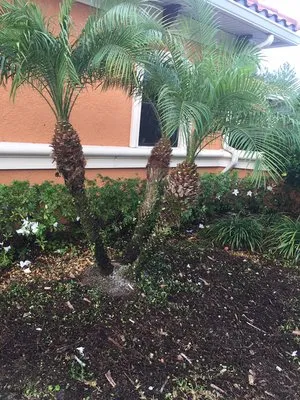
At Tropical Oasis Landscaping, we believe exceptional landscapes are about more than just plants and sprinklers. Our licensed landscape architects blend visual artistry with deep knowledge of local bi...

For over 12 years, Cannon Lawn Care has been a trusted, owner-operated provider of lawn and landscape services for Palm Harbor and greater Pinellas County. We build our reputation on consistent, relia...
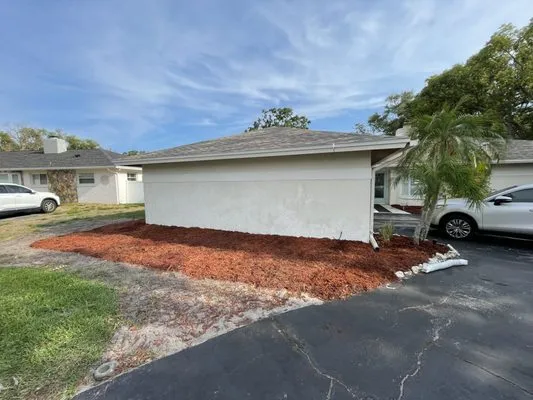
Coastal Legacy Landscaping is a full-service Palm Harbor landscaping company specializing in the unique coastal environment of Florida's Gulf Coast. We address common local challenges, such as managin...

Hubbard's Landscaping has been a trusted name in Palm Harbor for over 30 years, providing reliable landscaping and tree care services. As a licensed and insured contractor, we specialize in landscape ...
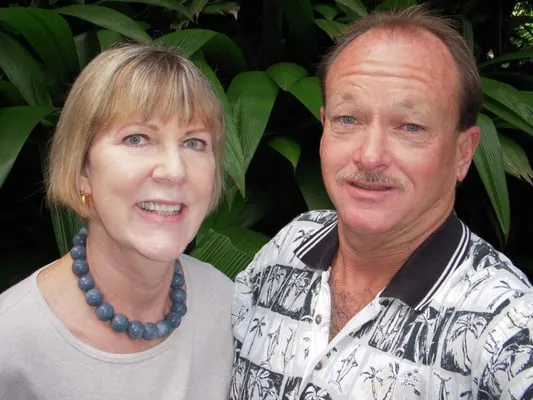
Honey Do Lawn Care, owned and operated by John Thurmond, is a trusted local landscaping provider serving Palm Harbor, Florida. John understands the unique challenges homeowners in the area face, inclu...
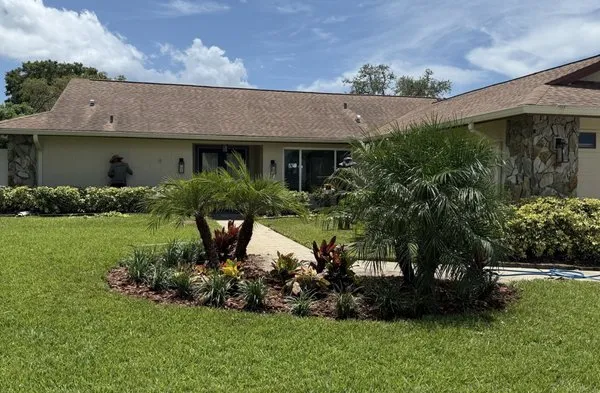
Earthscapes Landscaping
Earthscapes Landscaping has been a trusted name in Palm Harbor and the greater Tampa Bay area for over three decades. As a full-service landscaping company, we specialize in creating beautiful, functi...
Crew Cut Landscape & Maintenance is your dedicated Palm Harbor landscaping partner, focusing on keeping your property vibrant and healthy. We specialize in comprehensive shrub care, from expert planti...
Second Nature Lawn and Landscape is your trusted, local partner for maintaining a healthy and beautiful outdoor space in Palm Harbor. We specialize in addressing the specific challenges our coastal Fl...

JB Enterprises is a full-service landscaping and irrigation company serving Palm Harbor, FL. We understand that local homeowners often face frustrating issues like clogged irrigation heads and dying s...
Integrity Lawn Care Service is a locally owned and operated landscaping company dedicated to maintaining the beauty of Palm Harbor properties. We understand the specific challenges homeowners here fac...
Frequently Asked Questions
How should I handle invasive plants without violating fertilizer regulations?
Common invasive species in USDA Zone 9b include Brazilian pepper and skunkvine, which compete with native vegetation. Mechanical removal followed by targeted herbicide application during non-blackout periods (October-May) provides effective control. The local fertilizer ordinance prohibits phosphorus entirely and restricts nitrogen application from June 1 through September 30. For soil health, apply mycorrhizal inoculants and slow-release organic amendments in spring or fall. Always verify treatment methods comply with Florida Department of Business and Professional Regulation guidelines.
Are permeable clay pavers better than wood decking for my Palm Harbor patio?
Permeable clay pavers offer superior longevity and fire resistance compared to wood decking in Florida's humid climate. With proper installation, clay pavers maintain structural integrity for 25+ years without rotting, warping, or termite damage. Their permeability reduces stormwater runoff while meeting Moderate Fire Wise rating requirements for defensible space. Unlike wood, clay pavers don't require chemical treatments or frequent sealing. This makes them ideal for creating functional outdoor spaces that withstand seasonal flooding and support fire-adapted landscaping principles.
What permits and licenses are required for grading work on my Palm Harbor property?
Grading work on a 0.22-acre lot in Palm Harbor requires both permits and licensed professionals. Pinellas County Building Services issues grading permits after reviewing drainage plans and soil stability assessments. Contractors must hold active licensing through the Florida Department of Business and Professional Regulation, specifically in earthwork and erosion control. Unpermitted grading can violate municipal runoff standards and create drainage issues affecting neighboring properties. Always verify contractor credentials and permit status before beginning any significant earth-moving project.
What's the best solution for seasonal flooding in my Palm Harbor yard?
Fine Sand/Myakka Fine Sand soils in Palm Harbor have limited permeability despite their sandy texture, creating high water table issues during rainy seasons. Installing permeable clay pavers allows 80-90% of stormwater to infiltrate directly into the soil rather than contributing to localized flooding. These pavers meet Pinellas County Building Services runoff standards by reducing impervious surface area. Combined with French drains and strategic grading, this approach manages seasonal water accumulation while preventing foundation damage.
Why does my Historic Palm Harbor yard have such poor soil quality after all these years?
Properties in Historic Palm Harbor built around 1985 have approximately 41 years of soil development. The prevalent Fine Sand/Myakka Fine Sand soil has low organic matter retention and tends to compact over decades. This acidic soil (pH 5.5-6.5) requires annual core aeration to improve oxygen exchange and water infiltration. Incorporating 2-3 inches of composted organic matter each spring builds soil structure and supports microbial activity. Without these amendments, turfgrass roots remain shallow and vulnerable to drought stress.
How quickly can you respond to an emergency tree cleanup after a storm in Palm Harbor?
Our electric maintenance fleet can dispatch from Pop Stansell Park within 20-30 minutes during peak storm conditions. We route via US Highway 19 to access Historic Palm Harbor neighborhoods efficiently while complying with noise ordinance restrictions (7:00 AM - 9:00 PM). Our battery-powered equipment operates below decibel limits, allowing immediate response without violating municipal codes. This rapid deployment minimizes property damage and restores safety while meeting HOA compliance deadlines.
What are my options for reducing lawn maintenance while supporting local ecology?
Transitioning from high-maintenance St. Augustine turf to native plantings like Beautyberry, Coontie, Firebush, Muhly Grass, and Sea Grape creates a resilient landscape. These species require minimal irrigation once established and provide year-round habitat for pollinators and birds. Native plantings eliminate weekly mowing needs and reduce dependency on gas-powered equipment ahead of tightening noise ordinance restrictions. This approach aligns with 2026 biodiversity standards while significantly lowering water consumption and maintenance costs.
How can I maintain St. Augustine grass with Palm Harbor's strict water restrictions?
Phase II water restrictions (2-days-per-week) require precise irrigation management. Smart Wi-Fi ET-based weather sensing controllers calculate evapotranspiration rates to deliver exactly what Floratam or Palmetto St. Augustine needs. These systems automatically adjust for rainfall, humidity, and temperature variations, typically reducing water use by 20-30%. Properly programmed controllers apply water during optimal absorption windows (early morning) to minimize runoff. This technology maintains turf health while staying well within municipal water allocation limits.
