Top Landscaping Services in Oakland, FL, 34760 | Compare & Call

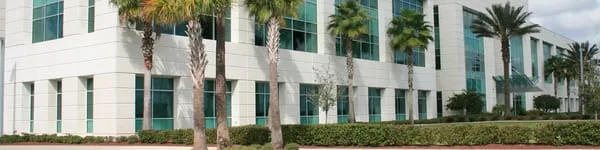
iMulchFL is a licensed mulch installation company based in Oakland, Florida, with over 30 years of experience serving Central Florida, including Orlando, Tampa, and Lakeland. Specializing in blown mul...
Leaf and Home, LLC is a trusted handyman and landscaping company serving Oakland and central Florida with over 20 years of local experience. We specialize in comprehensive home improvements, make-read...
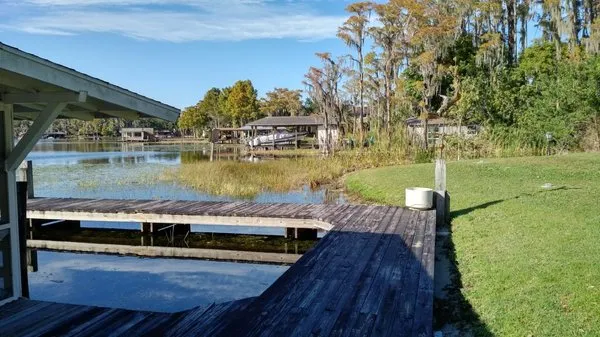
Grimes Conservation Group in Oakland, FL specializes in lakefront restoration and aquascaping, transforming shorelines into healthy, beautiful ecosystems. Their services focus on aquatic weed removal,...

TF Lawn Care is your dedicated Oakland, FL, partner for a healthy, beautiful yard. We understand that local homeowners often face specific challenges like post-storm debris cleanup and tricky irrigati...

Florida Heritage Lawns in Oakland, FL, is a local lawn care service that blends traditional craftsmanship with modern, efficient technology. We specialize in detailed lawn maintenance using quiet, bat...
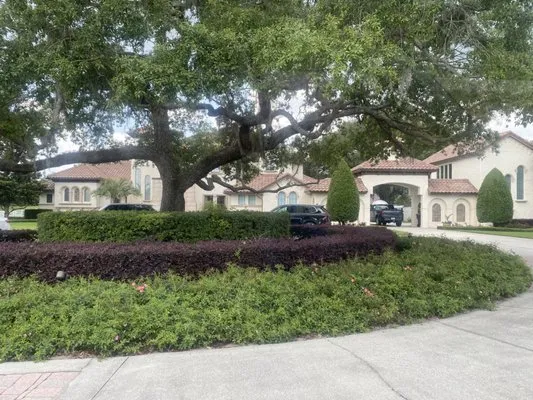
TNT Repair & Services is your trusted Oakland, FL partner for comprehensive outdoor care, specializing in landscaping, masonry, and stucco. We understand the local challenges homeowners face, from clo...
Frequently Asked Questions
Our Oakland Park yard has sandy soil that won't hold water or nutrients. Is this normal for our neighborhood?
Oakland's acidic sandy Spodosols (pH 5.5-6.5) are characteristic of this region, particularly in neighborhoods like Oakland Park developed around 2005. With 21 years of soil maturity since construction, these soils typically exhibit poor water retention and nutrient leaching. Core aeration combined with organic amendments like composted pine bark or sphagnum peat moss can improve soil structure and cation exchange capacity. Regular soil testing every 2-3 years helps monitor pH adjustments for optimal plant health in these challenging conditions.
We have invasive Brazilian pepper trees spreading. How do we treat them during fertilizer blackout dates?
Brazilian pepper (Schinus terebinthifolia) requires careful management to prevent further spread in Oakland's ecosystem. During the no nitrogen or phosphorus period (June 1-September 30), we use targeted herbicide applications directly to cut stumps or basal bark treatments that don't violate fertilizer ordinances. Mechanical removal followed by solarization prevents resprouting. We replace invasives with native alternatives like Wax Myrtle or Simpson's Stopper that provide similar screening without ecological damage. Always coordinate treatment with flowering periods to protect pollinators.
How do we keep St. Augustine grass healthy with Oakland's year-round water restrictions?
Wi-Fi ET-based weather sensing irrigation systems precisely match watering to actual evapotranspiration rates, conserving 20-40% compared to traditional schedules. For St. Augustine cultivars like Floratam or Palmetto, we program two weekly cycles during allowed watering days that deliver 0.5-0.75 inches total weekly. These systems automatically adjust for rainfall and humidity, preventing overwatering that exacerbates leaching in sandy soils. Proper irrigation timing before 10 AM reduces evaporation while maintaining turf health within municipal limits.
We need emergency storm cleanup to meet HOA compliance deadlines. How quickly can you respond?
Our electric maintenance fleet operates within Oakland's noise ordinance hours (7:00 AM - 9:00 PM) for immediate response. From our base near Oakland Nature Preserve, we route via Florida Turnpike to reach Oakland Park properties within 25-35 minutes during peak conditions. This electric equipment eliminates gas-powered noise violations while providing efficient debris removal. We prioritize HOA compliance situations with same-day assessment and can typically complete initial cleanup within the standard service window.
Our yard floods briefly then dries out completely. What drainage solution works with Oakland's sandy soil?
High permeability in sandy Spodosols creates rapid leaching followed by dry conditions. Permeable concrete pavers installed with 2-4mm joints filled with polymeric sand allow 3-8 inches per hour infiltration, meeting Town of Oakland Planning & Zoning Department runoff standards. We design shallow swales (1-2% slope) that direct water to infiltration basins planted with native species. This approach manages stormwater while replenishing groundwater, addressing both temporary pooling and long-term moisture retention issues common in Oakland Park properties.
Should we use permeable pavers or wood for our new patio considering fire safety?
Permeable concrete pavers offer superior longevity (30+ years versus 10-15 for wood) and maintain Oakland's Moderate Fire Wise Rating (WUI Zone 2) compliance. Unlike combustible wood materials, pavers create defensible space by interrupting fuel continuity. Their non-porous surface resists mold and deterioration in Florida's humid climate while allowing proper drainage. For 0.28-acre lots, we design hardscapes with 5-10 feet of clearance from structures using fire-resistant native plant buffers. This approach meets both aesthetic and safety requirements for Oakland properties.
What permits and licenses are needed for regrading our backyard on a standard Oakland lot?
Grading work on 0.28-acre properties requires Town of Oakland Planning & Zoning Department permits for earth moving exceeding 50 cubic yards. Contractors must hold Florida Department of Agriculture and Consumer Services licensing for landscape architecture or contracting, with specific endorsements for irrigation and drainage systems. Professional soil engineers should certify compaction rates for permeable paver installations. These regulations ensure proper water management in sandy Spodosols and prevent downstream erosion into Oakland Nature Preserve watersheds. Always verify current bonding and insurance requirements before commencing work.
We want to reduce lawn maintenance and noise from gas equipment. What are our options?
Transitioning high-maintenance turf to native plantings like Beautyberry, Muhly Grass, Coontie, Blanket Flower, and Saw Palmetto reduces mowing frequency by 70-90%. These adapted species require minimal irrigation once established and support local pollinators. Electric maintenance equipment operates below 65 decibels, well within Oakland's noise ordinance limits throughout service hours. This approach aligns with 2026 biodiversity standards while eliminating weekly mowing from March through November, creating a more resilient landscape system.
