Top Landscaping Services in New Smyrna Beach, FL, 32127 | Compare & Call

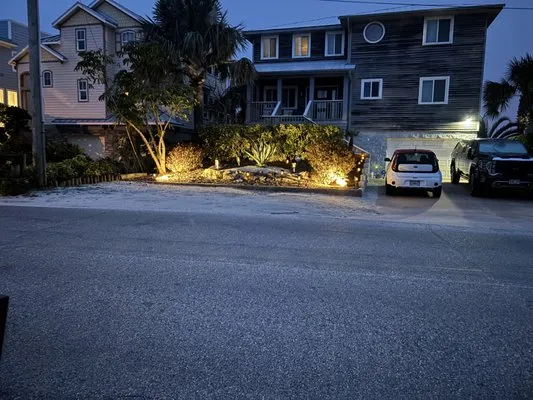
Leafy Landscape & Lawn Care
Leafy Landscape & Lawn Care is a licensed landscaping company serving New Smyrna Beach and the greater Volusia/Flagler counties with over 16 years of experience. We provide comprehensive lawn care, la...
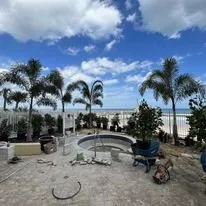
Cunningham's Lawn & Landscaping
Since 2013, Cunningham's Lawn & Landscaping has served as a reliable resource for the greater Volusia County community, from Ormond Beach to New Smyrna Beach. Our approach combines traditional landsca...
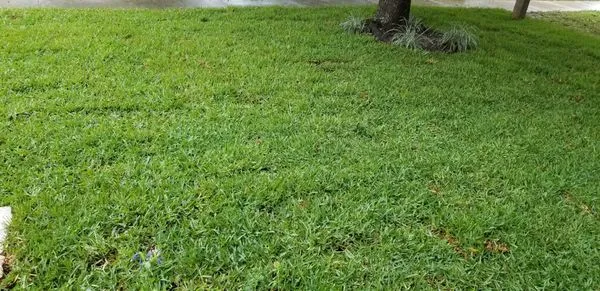
R&R Sod is a locally owned and operated sod farm serving New Smyrna Beach and the surrounding Volusia and Flagler County areas. Founded in 2008 by Rick and Rhonda D'Alessio, the business is built on a...
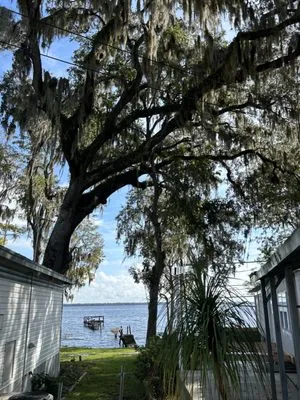
A Family Tree & Landscaping is a locally owned and operated business serving New Smyrna Beach and Volusia County with over 15 years of experience in tree care and landscaping. As a family-run company,...

Blue Turtle Landscaping
Blue Turtle Landscaping is a trusted, full-service landscaping company rooted in New Smyrna Beach. Founded on a simple passion for lawn care, we've grown into a comprehensive partner for homeowners, o...
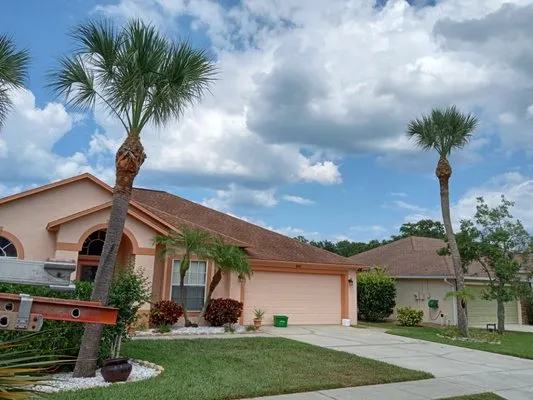
For over 15 years, Wharton's Tree Care has been the trusted local choice for New Smyrna Beach and Volusia County. Managed by Jean Wharton, our family-run business is built on a foundation of professio...

For over 25 years, Tuff Turf has been the trusted name for landscaping and irrigation in Volusia and Flagler counties. As a family-owned and operated business, we bring a personal commitment to every ...
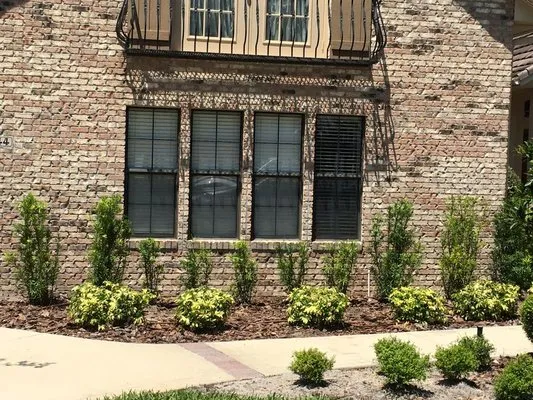
Patriot's Lawn Care Professionals is a licensed and insured lawn service provider based in New Smyrna Beach, FL, with over a decade of experience in the community. Specializing in comprehensive lawn c...

For over a decade, East Coast Lawn and Landscaping has been the trusted partner for New Smyrna Beach homeowners and businesses seeking comprehensive outdoor care. We specialize in the full lifecycle o...
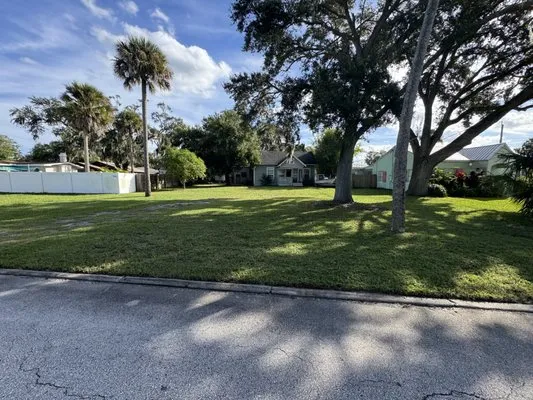
The Sunshine Boys Lawn & Landscape is a trusted, locally-owned provider serving homeowners in New Smyrna Beach, FL, with comprehensive lawn and tree care services. We understand the specific challenge...
FAQs
Why does my New Smyrna Beach yard have such poor soil quality?
Properties in Downtown New Smyrna Beach with 1988 construction dates have 38-year-old soil profiles. Sandy Spodosols in this neighborhood naturally exhibit low organic matter and compaction from decades of foot traffic. The pH range of 5.5-6.5 indicates acidic conditions that limit nutrient availability. Core aeration combined with compost amendments addresses both permeability and fertility deficiencies in these mature landscapes.
What permits and licenses do I need for landscape grading work?
Grading on 0.22-acre lots requires City of New Smyrna Beach Planning & Zoning Department permits for soil disturbance exceeding 100 cubic yards. Contractors must hold Florida Department of Business and Professional Regulation landscaping licenses for earthmoving operations. Professional licensing ensures compliance with erosion control measures and proper drainage engineering. Unpermitted grading risks fines and mandatory restoration orders that exceed original project costs.
How quickly can you respond to storm damage for HOA compliance?
Emergency cleanup crews dispatch from Smyrna Dunes Park via I-95 to reach Downtown New Smyrna Beach within 25-40 minutes during peak conditions. This response window accounts for debris clearance and safety protocols. Electric maintenance fleets operate within noise ordinance restrictions starting at 7:00 AM. The travel corridor prioritizes arterial roads to bypass typical congestion patterns.
How do I keep St. Augustine grass green with only two watering days?
Wi-Fi ET-based weather sensing irrigation systems calculate evapotranspiration rates to deliver precise water volumes. This technology maintains Floratam St. Augustine turf while complying with Stage 1 year-round restrictions. Programming follows municipal two-day schedules while adjusting for actual weather conditions. Deep, infrequent watering encourages root development that withstands drought stress better than frequent shallow irrigation.
How do I control invasive species without chemical fertilizers?
Brazilian pepper and cogongrass present the highest invasive risks in Zone 9b. Mechanical removal during dry periods prevents soil disturbance that spreads rhizomes. Spot treatments with vinegar-based herbicides avoid Nitrogen and Phosphorus application prohibited June 1-September 30. Regular monitoring catches new infestations before they establish competitive advantages over native species. Proper disposal prevents reinfestation through municipal green waste streams.
Should I replace my high-maintenance lawn with native plants?
Transitioning from St. Augustine turf to Beach Sunflower, Saw Palmetto, Firebush, and Coontie reduces water consumption by 60-80%. This xeriscaping approach aligns with 2026 biodiversity standards while eliminating gas-powered maintenance equipment. Native plant communities require minimal irrigation once established and provide habitat for pollinators. The conversion also future-proofs landscapes against tightening noise ordinances targeting gas blowers.
What's the best solution for seasonal flooding in my yard?
Sandy Spodosols in New Smyrna Beach have limited water-holding capacity despite high water tables. Permeable concrete pavers provide 30-50% surface infiltration rates that meet City of New Smyrna Beach Planning & Zoning Department runoff standards. These systems redirect seasonal flooding through subsurface channels while maintaining structural integrity. Proper grading with French drains complements paver installation for comprehensive water management.
Are permeable pavers better than wood decking for fire safety?
Permeable concrete pavers provide superior fire resistance compared to combustible wood materials. Their non-flammable composition supports Moderate WUI Zone 2 defensible space requirements. Pavers maintain structural integrity during seasonal flooding that would compromise wood foundations. The 50-year lifespan exceeds wood alternatives while requiring minimal maintenance. Proper installation creates firebreaks without sacrificing aesthetic appeal or permeability.
