Top Landscaping Services in Mulberry, FL, 33813 | Compare & Call
There are 201 landscaping companies server in Mulberry FL

Blue Comet Services is a trusted, locally-owned provider in Winter Haven, dedicated to delivering quality and value for your home and lawn. We take immense pride in our work, treating every customer a...
DTE Landscape and Outdoors is a Lakeland-based landscaping company serving Central Florida homeowners and businesses. We specialize in comprehensive outdoor solutions including landscape design, const...
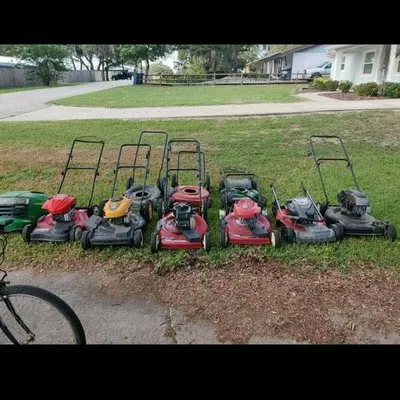
Nick's Central Florida Lawn Care
Nick's Central Florida Lawn Care in Polk City, FL, is a locally owned and operated business specializing in farm equipment repair, lawn services, and outdoor power equipment services. Founded by Nick,...

Since 1999, Home and Garden has been a trusted, locally-owned resource for Lakeland residents, blending expert pest control with comprehensive landscaping care. We understand that a healthy property i...
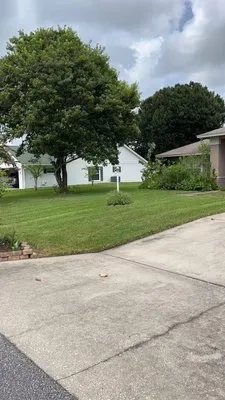
Upper Cut Landscaping is your local Auburndale partner for a healthy and beautiful outdoor space. We understand the specific challenges of Central Florida yards, from persistent chinch bugs to aggress...
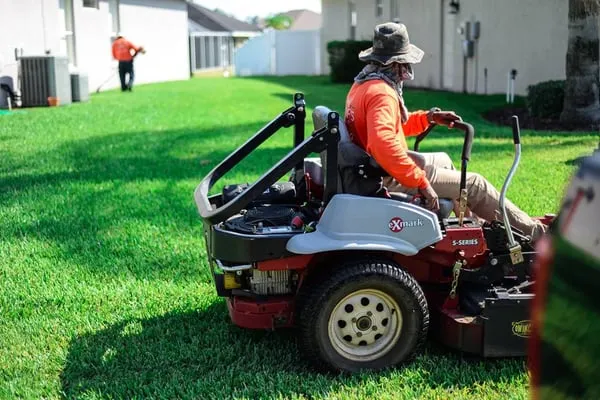
Turner's Lawn Care is Highland City's trusted partner for a healthy, attractive yard. We understand the specific challenges local homeowners face, from unsightly bare spots ruining your curb appeal to...
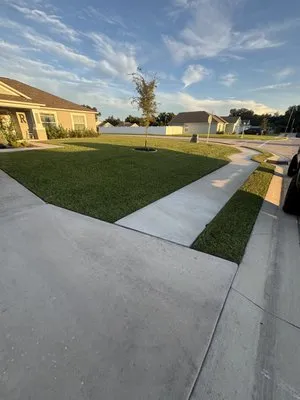
J.R.'s Outdoor Solutions is a locally owned and insured lawn and landscape company serving Bartow, FL, and Polk County. We provide reliable, professional lawn care services for residential and commerc...

Lawn Rescue is a locally owned and operated lawn care company serving Lakeland and Auburndale. Founded by Colt McCarty, a full-time firefighter with extensive outdoor and lawn care experience, the bus...

Country Boy Pest Control has been a trusted local provider of pest control and lawn care services in Polk and Highlands Counties since 1990. Founded and operated by Polk County native Ron Henderson, t...
Envirogreen Landscape Services
For over 23 years, Envirogreen Landscape Services has been the locally owned and operated choice for comprehensive outdoor solutions in Polk County. Based in Lakeland, we are a full-service landscapin...
Estimated Landscaping Service Costs in Mulberry, FL
Q&A
How quickly can you respond to storm damage for HOA compliance?
Emergency cleanup crews dispatch from the Mulberry Phosphate Museum area via SR 37. This routing allows 20-30 minute arrival during peak conditions for City Center properties. We prioritize safety assessments first, then debris removal with electric equipment to comply with noise nuisance restrictions. Documentation for HOA reporting is provided within 24 hours of service completion.
What permits and licenses does grading work require?
Grading on 0.22-acre Mulberry lots requires a City of Mulberry Planning & Development Department land disturbance permit for any cut/fill exceeding 50 cubic yards. Contractors must hold Florida Department of Agriculture and Consumer Services (FDACS) landscaping certification for pesticide application if soil amendments contain microbial inoculants. Professional engineering stamps are needed for drainage modifications affecting adjacent properties or flood zones.
Should I replace high-maintenance turf with native plants?
Transitioning to Beautyberry, Muhly Grass, and Firebush reduces mowing frequency from weekly to seasonal. Native plantings require 70% less water than St. Augustine turf and eliminate gas-powered blower use ahead of potential noise ordinance tightening. This xeriscaping approach supports 2026 biodiversity standards while creating habitat for pollinators. Maintenance shifts to selective pruning rather than weekly fuel-dependent operations.
Are permeable pavers better than wood for Mulberry patios?
Permeable concrete pavers outperform wood in longevity and fire safety. While pressure-treated wood lasts 10-15 years in humid Zone 9b, pavers maintain integrity for 25+ years with minimal maintenance. Their non-combustible nature supports Moderate WUI Zone 2 defensible space requirements. The 5-10% void space in paver joints manages runoff without creating flammable mulch beds near structures.
How do I treat invasive species without violating fertilizer rules?
Cogongrass and Brazilian pepper present the highest invasive risks in Mulberry. Mechanical removal before seed set avoids the June-September nitrogen blackout period. For persistent infestations, targeted glyphosate applications in early spring bypass phosphorus restrictions. Always verify treatment timing against the year-round no-phosphorus ordinance and maintain 10-foot buffers from water features to prevent runoff contamination.
Why does my Mulberry City Center lawn struggle despite regular care?
Mulberry City Center lots built around 1992 have 34-year-old soil profiles. The acidic sandy loam (pH 5.5-6.5) common here has likely become compacted and nutrient-depleted over decades. This soil type requires core aeration every 2-3 years and organic amendments like compost to improve water retention and microbial activity. Without these interventions, turfgrass roots cannot access sufficient moisture or nutrients, leading to thinning and stress.
Can I maintain St. Augustine grass with Mulberry's water restrictions?
Yes, using Wi-Fi ET-based weather sensing controllers. These smart systems calculate evapotranspiration rates and adjust irrigation to match plant needs precisely. For St. Augustine or Empire Zoysia in USDA Zone 9b, this means delivering 0.5-0.75 inches weekly during growing season, distributed across the permitted two watering days. Properly programmed controllers reduce water use 20-30% while maintaining turf health under conservation measures.
What solves seasonal flooding in Mulberry's sandy soil?
Mulberry's high water table and acidic sandy loam create poor percolation during heavy rains. Installing permeable concrete pavers with 6-8 inches of gravel base increases infiltration rates to 5-10 inches per hour. This meets City of Mulberry Planning & Development Department runoff standards by reducing impervious surface area. French drains connected to dry wells provide additional capacity for localized flooding zones common in 0.22-acre lots.
