Top Landscaping Services in Monticello, FL, 32344 | Compare & Call

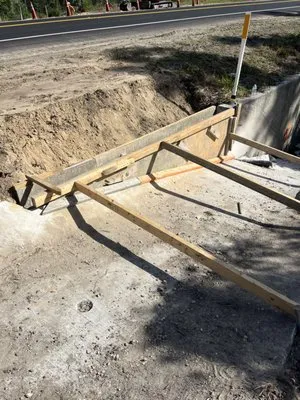
Founded by Shawn, a North Florida native who started in the industry at 18, Snyder Contracting is a locally owned and operated business in Monticello. With deep roots in the community, Shawn built the...
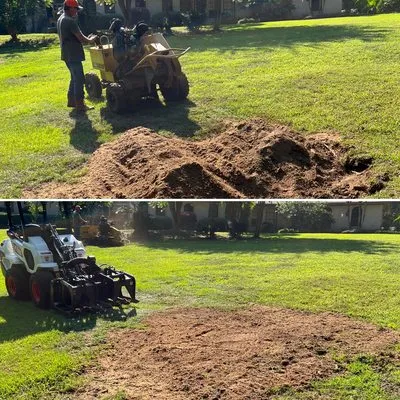
Joey Smith Stump Grinding and Tractor Work
Joey Smith Stump Grinding and Tractor Work is your Monticello neighbor for comprehensive tree and lawn care. We tackle the common local issues of weed overgrowth and dying shrubs with expert, on-site ...
Flo Grown Lawns And Hauling
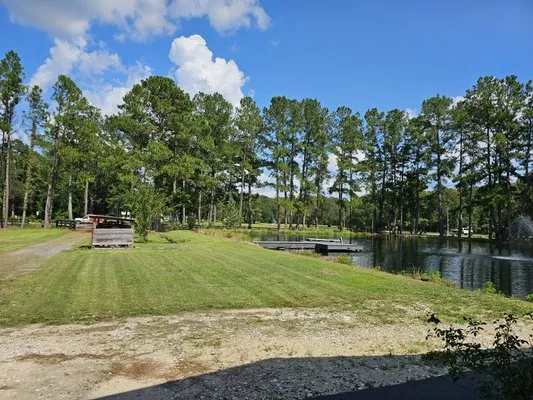
Flo Grown Lawns And Hauling is a family-owned business in Monticello, FL, founded by Cory, who brings years of hands-on experience in lawn care, junk removal, and pressure washing. Originally operatin...
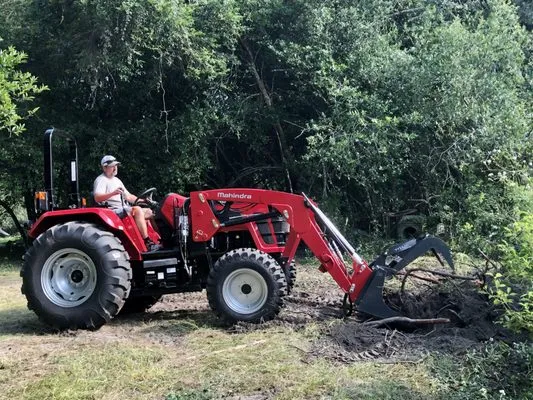
TuckerLee Enterprises is a family-owned business based in Monticello, FL, specializing in a wide range of land and construction services. With expertise in general contracting, demolition, and lawn ca...
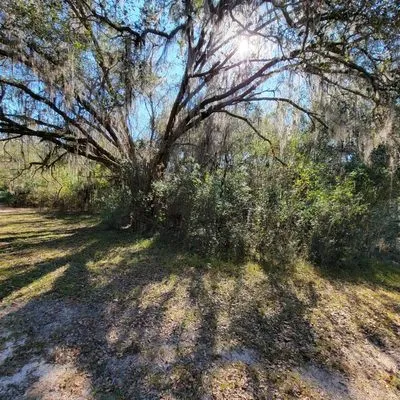
Circle T Land Services is a trusted provider of land care and property cleanup services for the Monticello area. We specialize in forestry mulching, which efficiently clears overgrown land, and dirt w...
For over 20 years, Odoms Lawn Care has been a trusted, family-rooted business serving Monticello and the surrounding areas. Our story began in 2004 with founder Brian Odom, who learned the trade from ...

Craigs Lawn Service
Craigs Lawn Service in Monticello, FL, is your local, full-service landscape partner, tackling the specific challenges that come with North Florida living. We understand that patchy, struggling grass ...

On Point Lawn Care is a locally owned and operated service in Monticello, FL, dedicated to maintaining healthy, great-looking outdoor spaces for our neighbors. We provide reliable lawn care, including...
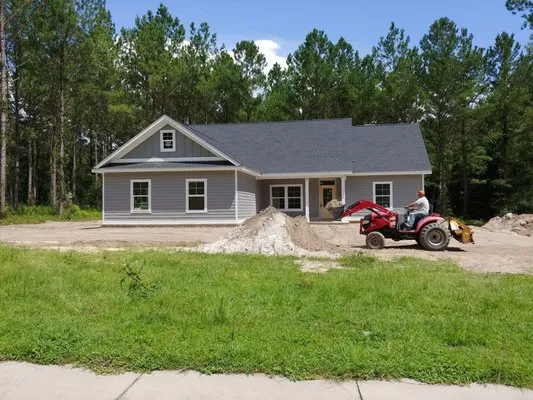
Holland Lawn Service & Maintenance, LLC is a locally owned and operated family business serving Monticello, FL, and the surrounding areas. We provide comprehensive lawn care and property maintenance s...

Ar's Quality Outdoor Services is a trusted, locally-owned business in Monticello, FL, specializing in pressure washing, landscaping, and fence & gate installation and repair. For Monticello homeowners...
Question Answers
What permits and licenses are needed to regrade our 0.35-acre lot?
Significant grading that alters water flow or involves cut/fill exceeding 2 feet typically requires an Earthwork Permit from the Jefferson County Planning and Zoning Department. Furthermore, any company applying pesticides or fertilizers as part of the project must hold a current FDACS Limited Certification for Urban Landscape Commercial or Restricted Use Pesticide licensing. Due to the property size and potential impact on drainage patterns, hiring a licensed landscape architect or contractor insured for such work is strongly advised to ensure technical and legal compliance.
Our Monticello soil seems thin and our lawn struggles. Why is this common in the Historic District?
Homes built around 1981, common in your area, sit on soil that is approximately 45 years old. This time is insufficient for deep, mature topsoil development in our native Ultisols, which are naturally acidic and nutrient-poor. The prevailing sandy loam texture compacts easily, restricting root growth and water infiltration. Core aeration and incorporating 2-3 inches of composted organic matter are critical to improve soil structure, increase cation exchange capacity, and buffer the natural pH of 5.5-6.5 for healthier plant establishment.
If a storm downs a tree, how quickly can an emergency crew reach my property?
For an emergency cleanup in the Historic District, our standard dispatch is from our central yard near the Jefferson County Courthouse. The primary route utilizes US-19/US-90, which allows for efficient access despite typical suburban traffic. Under normal conditions, we can mobilize a crew and equipment within 90 minutes, with an estimated on-site arrival in 25-35 minutes during peak response windows. This protocol ensures prompt mitigation of safety hazards and initiation of debris management.
We want to reduce mowing and gas equipment noise. What are our native plant options?
Transitioning to a landscape anchored by Florida natives like Southern Magnolia, Beautyberry, and Liatris significantly reduces maintenance inputs. These plants are adapted to local rainfall and soil pH, requiring minimal supplemental water and no regular mowing. This shift pre-emptively addresses evolving municipal noise ordinances concerning gas-powered blowers and mowers. A layered planting of Oakleaf Hydrangea and Purple Coneflower also provides superior habitat value, supporting 2026 biodiversity goals for pollinators and local fauna.
Our yard holds water after heavy rains. What's a lasting solution for Monticello's soil?
Moderate runoff and a seasonally high water table are typical challenges in sandy loam Ultisols, which have variable permeability. A graded swale or French drain system can intercept and redirect surface flow. For hardscape areas, specifying permeable clay brick pavers is highly effective; their design allows stormwater to infiltrate directly into the subsoil, reducing runoff volume and meeting Jefferson County Planning and Zoning Department standards for on-site management. This approach mimics natural hydrology and mitigates ponding.
Are permeable clay brick patios durable, and how do they fare in a fire-prone area?
Permeable clay brick pavers offer superior longevity to wood, with a lifespan exceeding 50 years with minimal maintenance. Their fired clay composition is non-combustible, a critical asset in Monticello's Moderate Wildland-Urban Interface (WUI) rating. Using such materials for patios or pathways within the defensible space zone around your home creates a fire-resistant barrier, slowing potential fire spread. This hardscape choice simultaneously addresses drainage mandates and enhances property resilience against seasonal wildfire risk.
How can we keep our St. Augustine grass green under Monticello's water restrictions?
Stage 1 conservation mandates efficient water use, which is best achieved with Wi-Fi ET-based irrigation controllers. These systems adjust watering schedules daily based on real-time evapotranspiration data, precipitation, and local weather forecasts. For St. Augustine grass, this means applying water only when the plant actually needs it, often reducing usage by 20-30% compared to traditional timers. Proper calibration ensures deep, infrequent watering that encourages drought-tolerant roots while fully complying with municipal limits.
What invasive species should we watch for, and how do we treat them safely?
Common invasive alerts in Zone 8b include cogongrass and tropical soda apple. Manual removal is preferred for small infestations. For targeted chemical control, use herbicides listed explicitly for the species and apply during active growth periods, strictly avoiding the local fertilizer ordinance's blackout dates which prohibit phosphorus applications. Always verify that any soil amendment or treatment product is registered with the Florida Department of Agriculture and Consumer Services (FDACS) to ensure environmental and regulatory compliance.
