Top Landscaping Services in Miami Beach, FL, 33109 | Compare & Call
There are 238 landscaping companies server in Miami Beach FL
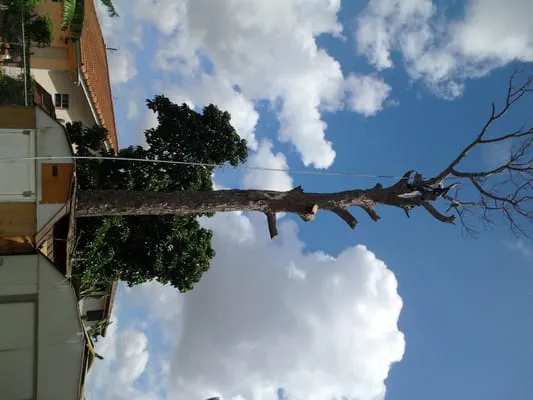
All Dade Tree Services has been a trusted provider of professional tree care and landscaping solutions for Miami homeowners and businesses since 2003. Specializing in tree trimming, removal, and compr...
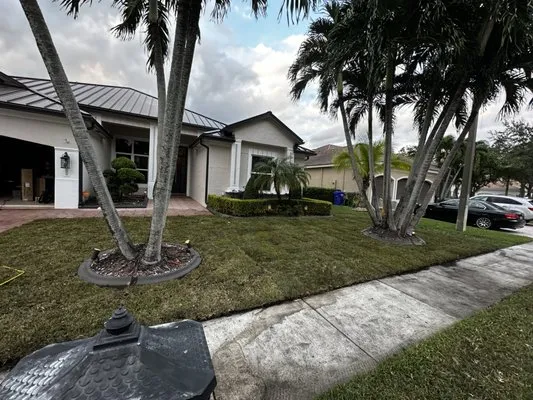
Alex Molina Landscaping is a trusted, locally-owned lawn and tree service provider serving Hialeah, FL. We specialize in the specific challenges homeowners face in our community, including unsightly p...
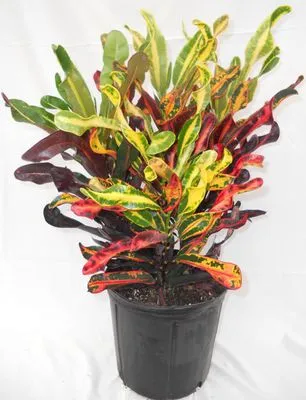
MC Nature's Serve is a Miami-based landscaping company specializing in comprehensive landscape design, construction, and maintenance. We understand the unique challenges Miami homeowners face, such as...
Divine Landscaping Services is a comprehensive Miami-based provider of outdoor living solutions, integrating expert lawn care, meticulous tree services, and durable hardscaping. We offer a full spectr...
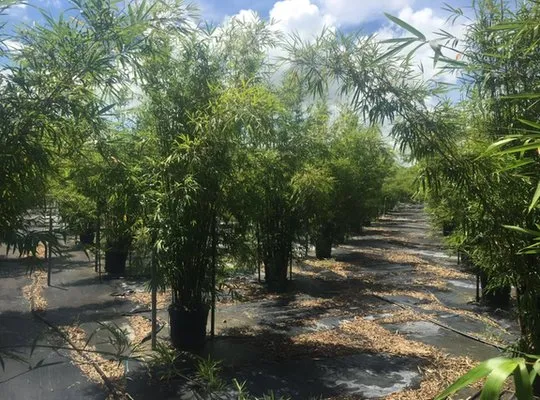
Peltons Bamboo
For over four decades, Pelton's Bamboo has been a cornerstone of Miami's tropical landscaping scene, specializing in rare plants, bamboo, and majestic palms. We bring a one-of-a-kind approach to creat...
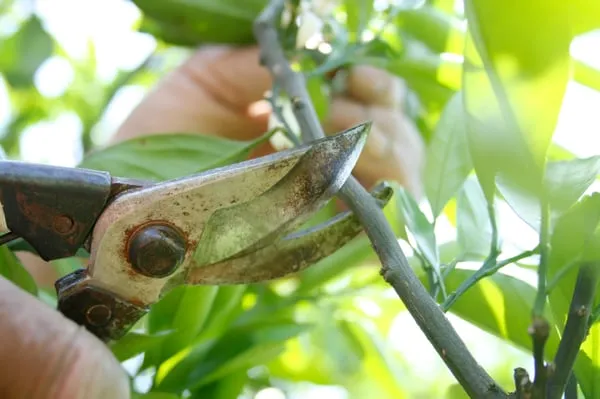
Founded in 1999 by father and son Glenn and Benjamin Essig, B&G Property Maintenance is a family-owned business built on a genuine passion for plants and trees. From its roots as a father/son dream, i...
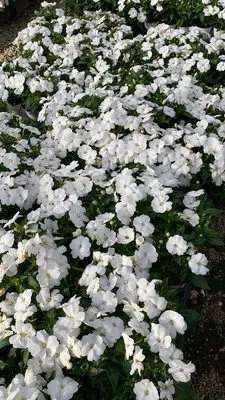
Javier Perdomo provides expert landscaping services to Miami homeowners, tackling the common local issues of dying shrubs and leaking sprinkler heads. In Miami's unique climate, improper irrigation an...
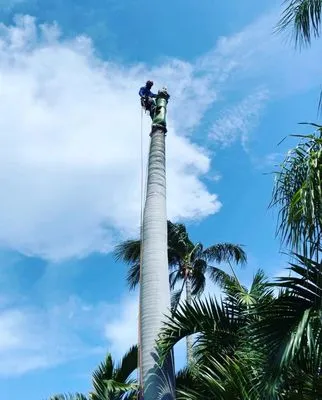
Four Seasons Landscaping in Miami, FL, was founded by Raul, who united a team of skilled artisans and horticultural experts with a shared passion for transforming outdoor spaces. Our mission is to pro...
Lawn Doctor of Coral Gables/Kendall is a locally owned and operated lawn care business serving Miami, FL, with a focus on personalized service and community connection. Founded in 2016 by an owner wit...
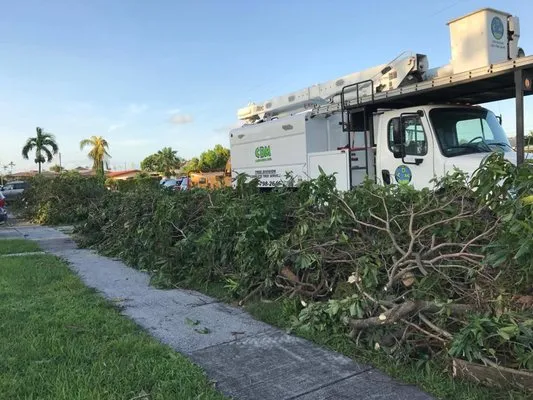
For over 20 years, CDM Landscaping has been the trusted partner for Hialeah homeowners and businesses seeking reliable, expert care for their outdoor spaces. We are a full-service landscaping and tree...
Estimated Landscaping Service Costs in Miami Beach, FL
Q&A
How can we keep a St. Augustine lawn healthy with only two days of watering per week?
Phase 1 water restrictions require precise management. The solution is an ET-based smart irrigation controller paired with in-ground moisture sensors. This system calculates evapotranspiration daily and irrigates only when soil moisture drops below a programmed threshold, skipping scheduled cycles if recent rainfall suffices. For St. Augustine cultivars like Floratam, this delivers deep, infrequent watering that promotes drought-tolerant root growth while staying strictly within the weekly allocation, conserving hundreds of gallons monthly.
Our patio floods during heavy rains and king tides. What's a durable solution that also manages runoff?
Saltwater intrusion and tidal flooding exacerbate drainage in our alkaline, low-permeability soils. Replacing solid surfaces with permeable Oolitic Limestone or permeable concrete pavers is the recommended approach. These materials allow stormwater to percolate into a prepared gravel base, reducing surface pooling and mitigating salt accumulation. This system often meets the City of Miami Beach Building Department's updated standards for onsite stormwater management, addressing both the symptom and the regulatory requirement.
Do we need a permit to regrade our small backyard, and what should we verify about a contractor?
Yes, any significant regrading on a 0.12-acre lot typically requires a permit from the City of Miami Beach Building Department to ensure proper drainage flow and compliance with floodplain regulations. More critically, you must verify the contractor holds a current license from the Florida Department of Business and Professional Regulation (DBPR) for the correct scope of work, such as 'Landscaping' or 'Specialty Structure.' Unlicensed grading can lead to improper slopes that direct water toward foundations or neighboring properties, creating liability.
My yard soil is compacted and drains poorly. Is this common for homes built around the 1960s in South Beach?
Yes, this is a direct consequence of construction practices from that era. Homes built in 1967, like many in South Beach, are now nearly 60 years old. The original, shallow layer of topsoil was often lost or compacted during construction, leaving the underlying Oolitic Limestone and sandy alkaline base exposed. Over decades, this subsoil has become a dense, low-permeability layer that resists water infiltration and root growth, necessitating core aeration and the addition of organic compost to rebuild soil structure.
We want to reduce constant mowing and blowing. Are there lower-maintenance, native alternatives to turf?
Transitioning to a layered native landscape is the most effective long-term strategy. A matrix of drought-tolerant groundcovers like Beach Sunflower and Coontie, understory plants such as Saw Palmetto, and canopy trees like Gumbo Limbo and Sea Grape, creates a self-sustaining ecosystem. This approach drastically reduces mowing frequency, eliminates the need for gas-powered blowers ahead of tightening noise ordinances, and provides superior habitat value, aligning with 2026 biodiversity and resilience goals.
We have a last-minute HOA compliance notice for overgrown vegetation. What's your fastest response time from the South Beach area?
For an emergency cleanup in South Beach, we can dispatch an electric, low-noise crew from our staging area near Lummus Park. The route uses the MacArthur Causeway to I-95, allowing a 45-60 minute arrival during typical peak congestion. Our electric equipment operates within strict local decibel limits, enabling work during broader daytime hours to meet urgent deadlines without violating noise ordinances.
Is limestone or composite wood better for a new deck in our coastal zone?
Oolitic Limestone or permeable pavers are superior for longevity in Miami Beach. While composite wood resists rot, it can degrade under intense UV and salt spray. Natural limestone is inherently resistant to salt corrosion, fire—a consideration even in a Low Fire Wise Rating coastal zone—and requires no sealing. It also mitigates the urban heat island effect better than synthetic materials. For a 0.12-acre lot, limestone provides permanent, low-maintenance structure that integrates with the local geology.
We see invasive vines taking over a hedge. How do we treat them without using restricted fertilizers?
Invasive species like Brazilian Pepper or Skunkvine require immediate mechanical removal, followed by a targeted, systemic herbicide applied directly to cut stems—a technique known as cut-stump treatment. This minimizes chemical drift. Crucially, this treatment can and should be performed outside the local fertilizer blackout period (May 15 to Oct 31) to avoid any conflict with ordinances. Post-removal, amending the soil with compost, not synthetic fertilizer, helps desired plants outcompete any regrowth.
