Top Landscaping Services in Lake Placid, FL, 33852 | Compare & Call

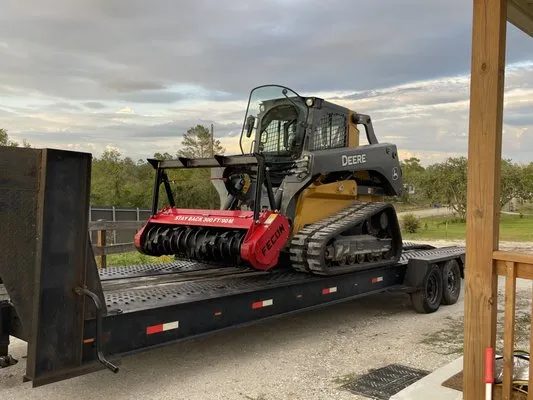
L & Y Quality Services is a trusted landscaping company serving Lake Placid, FL, specializing in comprehensive outdoor solutions. We help local homeowners tackle common landscaping challenges like irr...
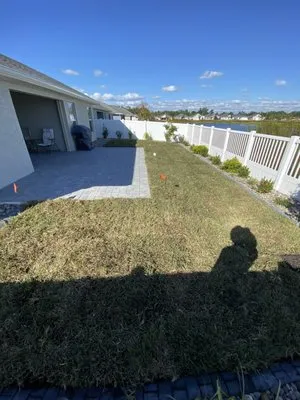
Padilla Landscape is a trusted Lake Placid, FL landscaping company specializing in comprehensive outdoor solutions for residential and commercial properties. We offer landscape construction, installat...
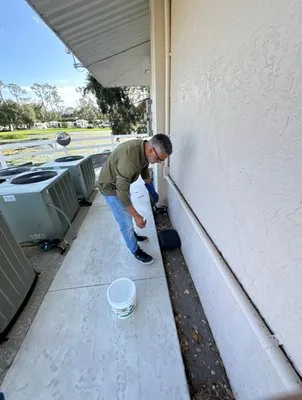
TWQ has been serving the Lake Placid community for over 20 years, providing reliable pest control, landscaping, and irrigation services. Our experienced team focuses on eco-friendly practices and cust...
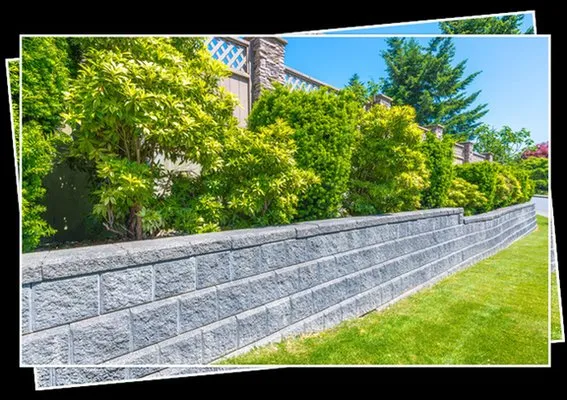
Steve's Tree Service is a locally owned and operated business proudly serving Lake Placid, Florida, and surrounding communities. We specialize in comprehensive tree care and landscaping services, incl...

Empire Lawn Services provides comprehensive lawn and property maintenance for Lake Placid homeowners and businesses. Our team handles everything from routine mowing and hedge trimming to more involved...
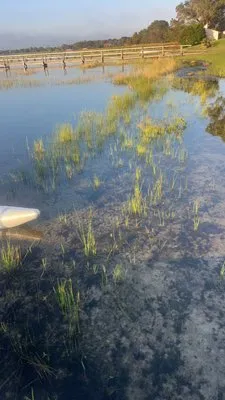
Hardworking Man Services
Hardworking Man Services is a trusted landscaping and tree care provider serving Lake Placid, FL, with comprehensive solutions for residential and commercial properties. We specialize in earthmoving, ...
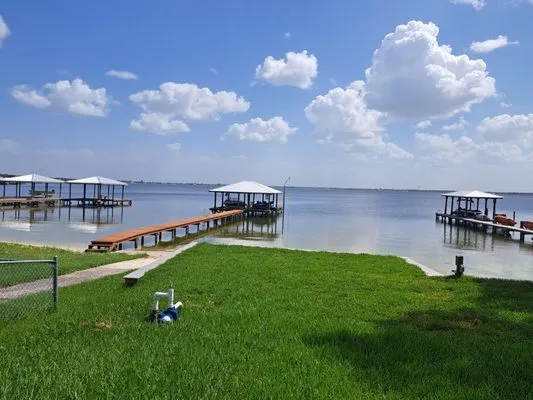
Southern Paradise Landscaping is a full-service landscaping company serving Lake Placid, FL, specializing in landscape construction, irrigation systems, and pressure washing. We help homeowners and bu...

Alex Rodriguez is a trusted, full-service handyman and landscaping professional serving Lake Placid and surrounding communities. With expertise spanning from home repairs and installations to comprehe...
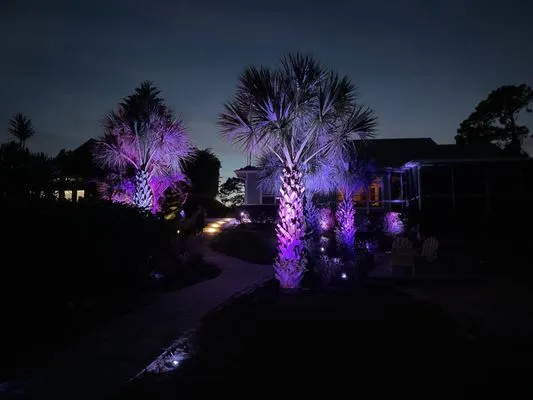
DC Irrigation is a full-service landscaping and irrigation company serving Lake Placid, FL. We specialize in comprehensive solutions including irrigation design, installation, and repair, along with l...
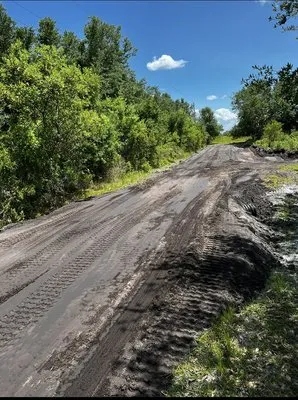
CWS Landscapes is a trusted excavation and landscaping company serving Lake Placid, FL, specializing in comprehensive solutions for residential properties. We address common local challenges like lawn...
Frequently Asked Questions
What invasive species should I watch for, and how do I treat them?
Be alert for invasive plants like Brazilian Pepper or Skunkvine. Treatment requires careful timing due to the local fertilizer ordinance, which prohibits nitrogen applications from June 1 through September 30. For safe, effective control, use targeted mechanical removal or approved herbicides in cooler months, ensuring any follow-up soil amendments are phosphorus-free to comply with year-round restrictions.
Can you handle an emergency cleanup for an HOA violation notice?
Yes, we prioritize HOA compliance and storm response. A crew dispatched from the Lake Placid Memorial Park area can typically reach a Downtown location via US Highway 27 within the 25-35 minute peak response window. Our electric maintenance fleet operates within the 8am-8pm noise ordinance, allowing for immediate debris removal and turf remediation to meet community standards.
What are lower-maintenance alternatives to my high-input lawn?
Transitioning to a xeriscape with native plants like Beautyberry, Muhly Grass, and Firebush significantly reduces water, fertilizer, and mowing demands. These species are adapted to our Zone 9b climate and acidic soils, requiring minimal inputs once established. This shift also future-proofs your landscape against tightening noise ordinances that restrict gas-powered blowers and mowers, favoring quieter electric equipment.
Are permeable pavers a better choice than wood decking?
For longevity and fire safety in our Moderate (WUI Zone 2) fire risk area, permeable concrete pavers are superior. Unlike wood, they are non-combustible, require no sealing, and provide critical defensible space. Their permeability also manages the site's runoff, complementing the native sandy soil's drainage profile and meeting modern infrastructure standards for resilience.
My yard stays soggy for days after rain. What's the solution?
Seasonal saturation is common with our high water table and sandy Spodosols, which have a restrictive subsurface layer. Integrating permeable concrete pavers for patios and walkways increases ground absorption and reduces runoff. For turf areas, subsurface French drains or dry creek beds may be necessary to move water, and all such work should be designed to meet the Town of Lake Placid Planning & Zoning Department's stormwater management standards.
Why does my Lake Placid yard have such poor soil?
Homes in Downtown Lake Placid, averaging 43 years old since 1983, sit on established acidic sandy Spodosols. These soils naturally lack organic matter and structure, leading to poor nutrient retention and compaction. For healthy turf and plants, core aeration and incorporation of composted organic matter are essential to improve soil percolation and cation exchange capacity, directly addressing the foundational soil deficiencies in your lot.
Do I need a permit to regrade my backyard, and who is qualified to do it?
Yes, significant grading or earth-moving on a 0.25-acre lot typically requires a permit from the Town of Lake Placid Planning & Zoning Department to ensure proper drainage and erosion control. This work must be performed by a contractor licensed by the Florida Department of Business and Professional Regulation, as improper grading can violate county codes and adversely affect neighboring properties.
How can I keep my St. Augustine grass green with only two watering days a week?
Under Stage 1 water restrictions, Wi-Fi ET-based weather-sensing irrigation is critical. This technology schedules watering only on your assigned days, applying precise amounts based on real-time evapotranspiration data to prevent waste. Properly calibrated, it delivers deep, infrequent watering that encourages drought-tolerant root growth in Floratam St. Augustine or Empire Zoysia, maximizing turf health within municipal limits.
