Top Landscaping Services in Hawthorne, FL, 32640 | Compare & Call
There are 184 landscaping companies server in Hawthorne FL
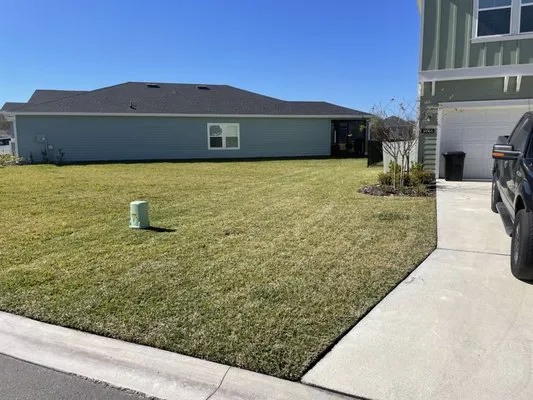
Dee's Landscaping provides expert lawn care services to homeowners and businesses in Gainesville, FL. We understand that local yards often face specific challenges like persistent mulch bed weeds and ...
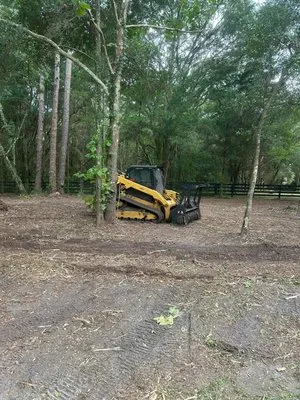
Keim Clearing is a family-owned forestry mulching and underbrush removal business serving High Springs, FL, and surrounding areas. We specialize in transforming overgrown yards and acreage into manage...

Gator Aiders is your trusted, full-service Gainesville partner for painting, drywall, and landscape care. We understand the unique challenges of North Central Florida homes, from managing standing wat...
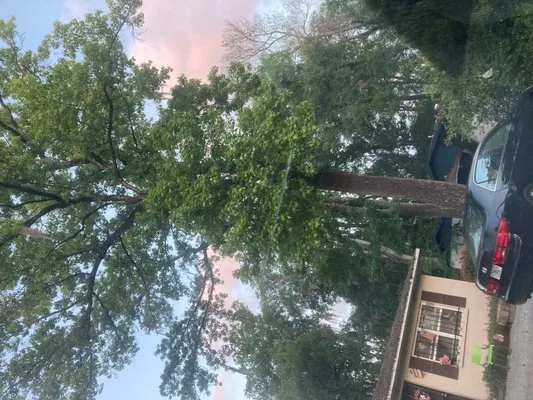
Mr. I.M. Log'n is a locally owned and operated business serving Gainesville, FL, with deep roots in the community. Founded in 2008 as a logging company, it has grown under the management of Alfred, a ...
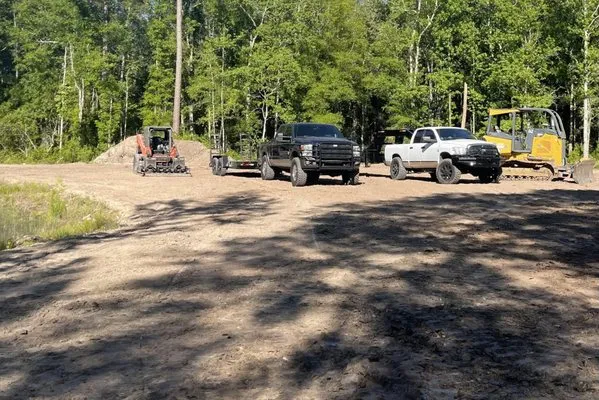
The Land Gator is a locally-owned and operated land improvement company based in Alachua, Florida. Founded as a dedicated tractor service, we've grown into a comprehensive provider of commercial and r...

Property Renovations Solutions
Property Renovations Solutions in Gainesville, FL, is a locally owned and operated business specializing in comprehensive property maintenance and renovation services. Led by Aaron, the company operat...
Massey Services in Gainesville, FL is a comprehensive landscaping, pest control, and irrigation company dedicated to solving common local homeowner challenges like soil compaction and bare lawn spots....
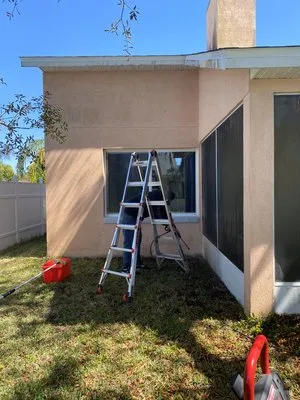
Surmount Cleaning & Tree Service LLC is a locally-owned business in Gainesville, FL, dedicated to providing reliable and thorough services for both residential and commercial properties. We specialize...
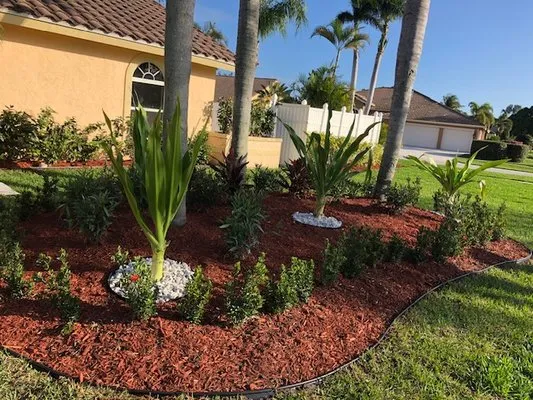
All Pro Lawn & Tree Service is a family-owned and operated business that has been proudly serving Northern Florida, including Gainesville, for over 15 years. As Florida natives, we have deep familiari...
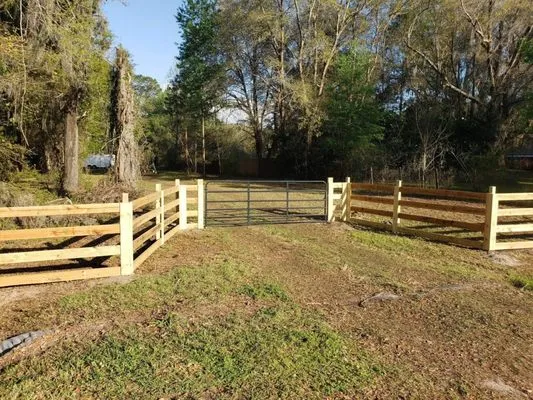
Founded four years ago by a dedicated father, A+ Bhakti Services is a family-owned business that continues his legacy of quality craftsmanship. After his passing in 2022, his sons have carried forward...
Estimated Landscaping Service Costs in Hawthorne, FL
Common Questions
What permits and licensing are required for significant grading work on our 0.35-acre property?
Grading that alters more than 100 cubic yards of soil requires Alachua County Building Department review for erosion control compliance. Contractors must hold Florida Department of Business and Professional Regulation licensing for earthwork operations. Professional grading plans account for our property's specific topography and drainage patterns, preventing off-site runoff violations. Licensed professionals carry insurance covering potential damage to underground utilities common in established neighborhoods.
Our Hawthorne Oaks yard has been struggling despite regular care. Could the soil itself be the problem?
Hawthorne Oaks properties built around 1977 have 49-year-old soil profiles. Acidic sandy loam with pH 5.5-6.5 naturally develops compaction layers over decades, restricting root penetration and water retention. Core aeration every 2-3 years breaks up these layers, while incorporating 2-3 inches of composted organic matter improves cation exchange capacity. This addresses the rapid leaching characteristic of our soil type while maintaining proper drainage.
We're seeing invasive plants overtake our landscape. How do we treat them without violating fertilizer rules?
Cogongrass and Brazilian pepper present significant invasive risks in Zone 9a. Mechanical removal during early March aligns with peak mulching season for disposal. Spot treatments with glyphosate alternatives avoid phosphorus contamination concerns. The June-September nitrogen blackout period actually benefits control efforts, as many invasions thrive on excess nutrients. Always verify treatment methods with Florida Department of Business and Professional Regulation guidelines.
Should we use wood or concrete for new patio construction considering fire safety requirements?
Ocala block or permeable concrete pavers provide superior longevity and fire resistance compared to wood decking. These materials maintain Moderate Fire Wise WUI Zone 2 compliance by creating defensible space without combustible materials. Concrete installations last 25+ years with minimal maintenance, resisting moisture damage common in our humid climate. Proper spacing between hardscape and vegetation further enhances fire safety margins.
How can we maintain healthy St. Augustine turf while following Hawthorne's water restrictions?
Stage 1 year-round restrictions require precise water management. Wi-Fi ET-based weather sensing irrigation systems calculate evapotranspiration rates daily, applying only the water Floratam St. Augustine actually needs. This typically reduces water use 20-30% compared to traditional timers while preventing stress during dry periods. Proper scheduling avoids the June-September nitrogen blackout period when turf growth naturally slows.
We need emergency storm debris cleanup to meet HOA compliance deadlines. How quickly can a crew respond?
Emergency cleanup crews dispatch from Hawthorne City Hall via US-301, reaching Hawthorne Oaks properties within 20-30 minutes during peak response periods. Standard 7:00 AM to 9:00 PM operational windows accommodate most compliance timelines. Electric maintenance equipment operates within noise ordinances while processing palm fronds, pine needles, and storm-damaged vegetation typical of our area.
Our yard floods briefly then dries out completely. What drainage solutions work with Hawthorne's sandy soil?
High permeability sandy loam causes rapid leaching where water moves too quickly through the profile. Permeable concrete pavers or Ocala block installations create stable surfaces while allowing 30-50% infiltration rates. These meet Alachua County Building Department runoff standards by mimicking natural drainage patterns. French drains with clean gravel layers can redirect surface water without creating standing water issues.
What alternatives exist for high-maintenance turf that reduce both water and noise concerns?
Transitioning to native plant communities using beautyberry, saw palmetto, wild coffee, blanketflower, and muhly grass creates self-sustaining landscapes. These species require minimal irrigation once established and eliminate weekly mowing cycles. Electric equipment maintains these areas quietly within 7:00 AM to 9:00 PM limits. Native plantings also support local pollinators while reducing fertilizer requirements.
