Top Landscaping Services in Fort Walton Beach, FL, 32547 | Compare & Call
There are 235 landscaping companies server in Fort Walton Beach FL
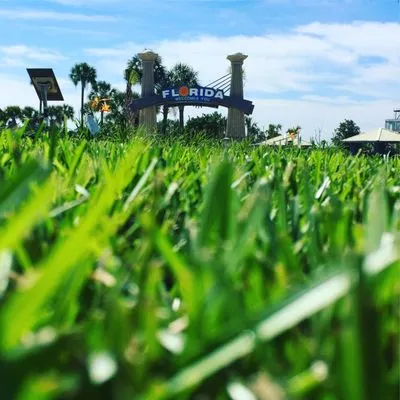
Gro Pro Turf & Ornamental is a Panama City Beach-based service founded in 2017 by Lorie 'Jock' Angelle. Jock began his journey in the local landscape industry in 2013, where he first mentored our team...
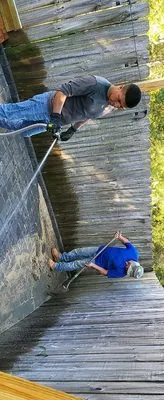
T & W Landscape Experts
T & W Landscape Experts is a full-service outdoor company serving Navarre, FL, dedicated to enhancing and maintaining the beauty and safety of local properties. We understand the unique challenges hom...
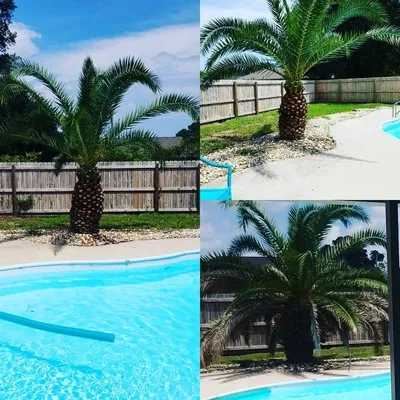
Emerald Coast Lawn Pros is a family-owned and veteran-operated lawn care company dedicated to maintaining the beauty of Navarre, Gulf Breeze, and Fort Walton Beach. Founded by Matthew Bellavigna, the ...
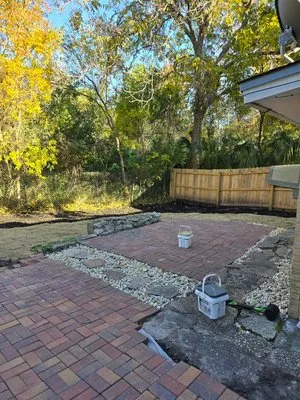
Heritage Landscaping And Irrigation
Heritage Landscaping And Irrigation is a family-run business built on decades of hands-on experience in Fort Walton Beach. Founded by an owner with over 20 years in the industry, our philosophy is sim...
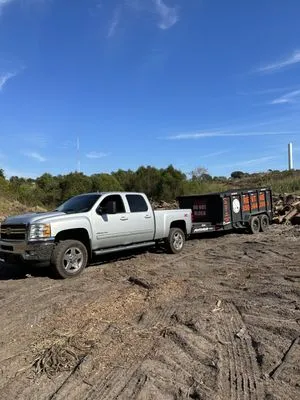
Dirt BoyZ Landscaping is a family and veteran-owned business in Navarre, FL, founded by a hard-working country kid from northern Wisconsin. What began as a side hustle from the back of an old pickup t...
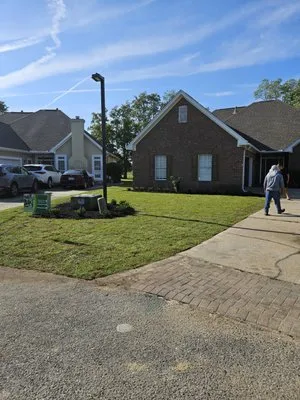
Landscaping and Hardscape M&J is a full-service Navarre, FL company specializing in both the beauty and structure of outdoor spaces. We combine expert landscaping, masonry, and irrigation services to ...
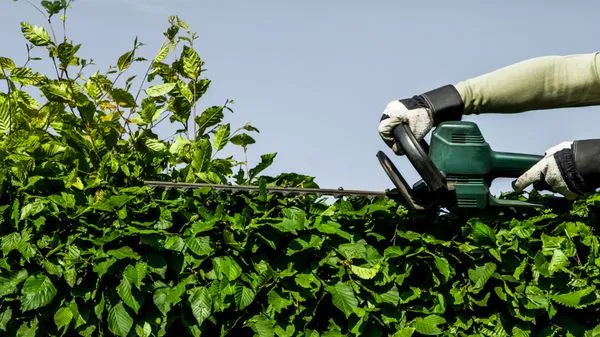
Yard Butler Landscaping provides professional, licensed, and insured lawn care and maintenance services for homes and businesses in Navarre and Gulf Breeze. We focus on delivering consistent, reliable...
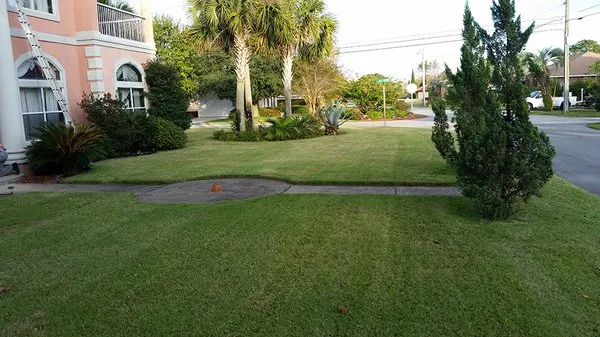
Bowien's Lawn Care & Home Improvement was founded on the Gulf Coast by Ronnie Bowien, who saw a need for honest, reliable tradespeople who stand behind their work. With extensive prior experience in c...
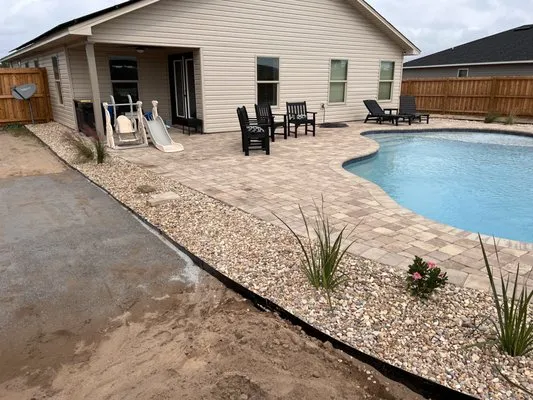
Emerald Coast Super Scapers is a family-owned and operated landscaping company proudly serving Navarre, FL. Founded by a military family who settled here in 2011, the business is built on dedication, ...
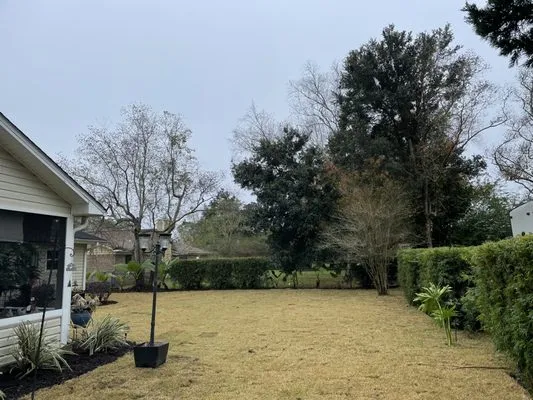
With over a decade of dedicated service in Navarre, FL, SP Lawn Care and Landscaping brings extensive expertise to both residential and commercial outdoor projects. Our team specializes in comprehensi...
Estimated Landscaping Service Costs in Fort Walton Beach, FL
FAQs
What permits and licenses are needed for grading my 0.22-acre Ocean City lot?
Grading work exceeding 50 cubic yards requires a Fort Walton Beach Planning and Zoning Division permit to ensure proper drainage and erosion control. The Florida Department of Business and Professional Regulation mandates Certified Landscape Contractor licensing for projects affecting property drainage patterns. This combination ensures compliance with coastal construction standards and protects against liability for downstream water management issues on compact coastal lots.
What drainage solutions work best for sandy coastal soil with storm surge risk?
High permeability in acidic sandy loam creates rapid drainage but fails during coastal inundation events. Permeable concrete pavers installed with 2-3% slope direct surface runoff while allowing infiltration, meeting Fort Walton Beach Planning and Zoning Division standards for stormwater management. This approach combines with French drains in low-lying areas to address both typical permeability and exceptional surge conditions common in Ocean City.
How do I treat invasive species without violating fertilizer blackout dates?
Cogongrass and Brazilian pepper present the highest invasive risks in Zone 9a. Treatment involves targeted glyphosate applications during spring active growth periods, avoiding the June 1-September 30 nitrogen and phosphorus blackout. Mechanical removal followed by native groundcover establishment prevents reinfestation while complying with local ordinances. Soil testing confirms nutrient deficiencies before any amendment application outside restricted windows.
How quickly can you respond to an emergency cleanup after coastal storm surge?
Emergency storm response requires 20-30 minutes during peak conditions. Our dispatch routes from Fort Walton Beach Landing Park via US Highway 98, prioritizing Ocean City neighborhoods with documented inundation hazards. This timing accounts for debris clearance and safe equipment transport while meeting HOA compliance deadlines for post-storm landscape restoration.
Are permeable pavers better than wood decking for coastal fire safety?
Permeable concrete pavers outperform wood in longevity and fire resistance, with 40+ year lifespans versus wood's 15-20 years in salt air. Their non-combustible nature supports Moderate Fire Wise Rating (WUI Zone 2) requirements by creating defensible space without fuel accumulation. Pavers also resist moisture damage from storm surge and require no chemical treatments that could leach into sandy soils during inundation events.
Why does my Ocean City yard have such poor soil quality compared to newer neighborhoods?
Most Ocean City homes were built around 1971, giving the soil 55 years to mature. Acidic sandy loam with pH 5.5-6.5 develops in this timeframe through organic matter decomposition and mineral leaching. This soil type becomes compacted and nutrient-deficient, requiring core aeration to improve oxygen exchange and organic amendments like composted pine bark to increase water retention and microbial activity.
How can I maintain St. Augustine grass during Stage 1 water restrictions?
Wi-Fi ET-based weather sensing with soil moisture sensors optimizes irrigation by calculating evapotranspiration rates specific to Fort Walton Beach's microclimate. This system delivers precise water volumes only when soil moisture drops below turfgrass requirements, typically reducing water use by 30-40% while preserving Floratam St. Augustine health. Municipal conservation goals align with this technology's ability to prevent overwatering during voluntary restriction periods.
Should I replace high-maintenance turf with native plants to reduce noise and upkeep?
Transitioning from St. Augustine to Saw Palmetto, Beach Sunflower, and Muhly Grass reduces mowing frequency from weekly to seasonal while eliminating gas-powered equipment use during restricted hours (9:00 PM to 7:00 AM). Native plantings establish deeper root systems that stabilize sandy soils and require 70% less irrigation, positioning properties ahead of evolving noise ordinances and supporting 2026 biodiversity standards through habitat creation.
