Top Landscaping Services in Clearwater, FL, 33755 | Compare & Call
There are 240 landscaping companies server in Clearwater FL
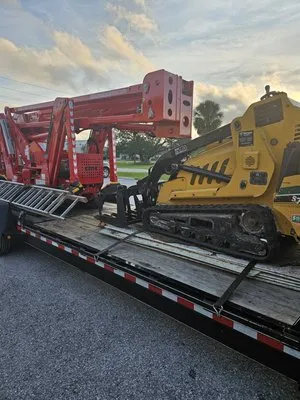
Gotta Be Green is a Clearwater-based landscaping and tree service company with over two decades of experience serving Pinellas County. We specialize in comprehensive yard care, from landscape design a...

Tampa Bay Ponds & Koi specializes in creating and maintaining serene aquatic landscapes and custom hardscaping for Clearwater homes. We believe in building relationships through reliable service and e...

Hubbard's Landscaping has been a trusted name in Palm Harbor for over 30 years, providing reliable landscaping and tree care services. As a licensed and insured contractor, we specialize in landscape ...
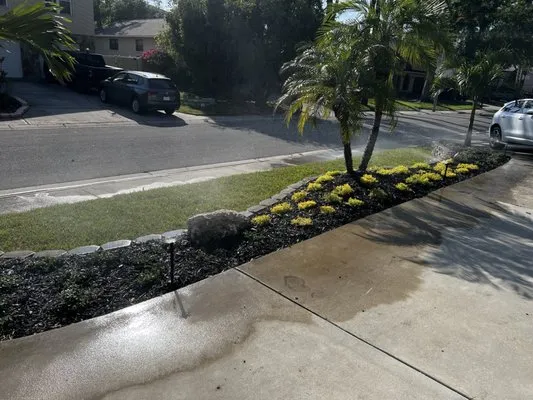
Never Look Back Lawn Service is a family-owned landscaping business serving Largo and Pinellas County, founded on principles of fairness, honesty, and clear communication. We provide comprehensive law...
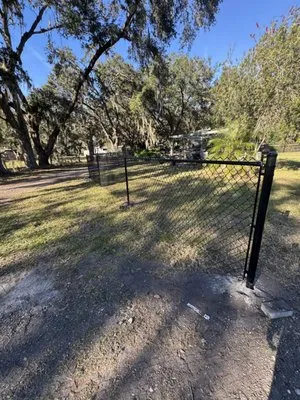
Tampa Premier Landscaping LLC, based in Mulberry, FL, is a full-service landscaping company owned and operated by Dillon. With over 10 years of hands-on experience in the industry and a deep horticult...
Tender Care Lawn Service is a trusted Tampa Bay lawn and tree care provider dedicated to solving the common landscaping challenges homeowners face in our humid Florida climate. We specialize in diagno...
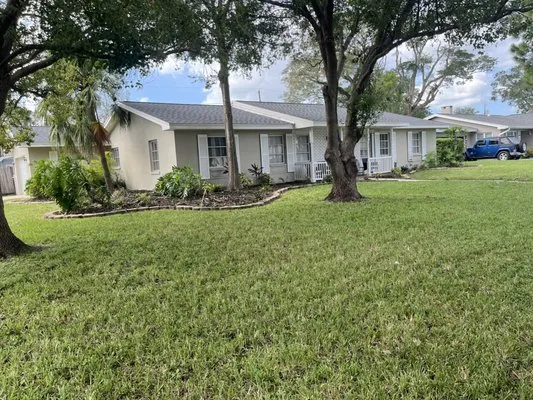
5 Star Lawn Care & Property Maintenance is your trusted local partner in Seminole, FL, dedicated to enhancing your property's health and appearance. We provide a comprehensive range of services, from ...
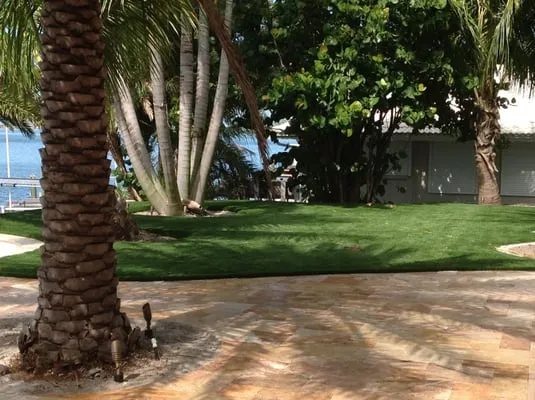
Lazy Gecko Greens of Tampa Bay is a Clearwater-based landscaping company dedicated to solving common local homeowner challenges. We specialize in addressing issues like sprinkler head leaks that waste...
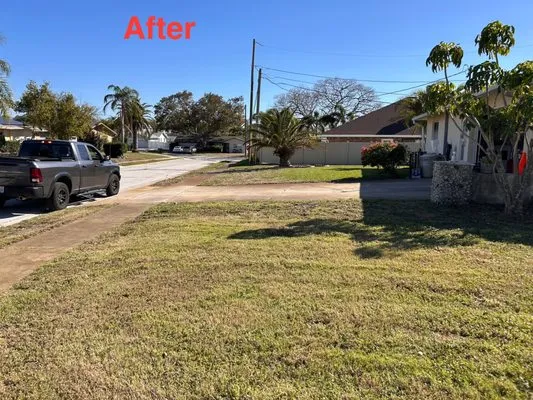
Help is Here Lawn Care is a Clearwater-based lawn service provider dedicated to maintaining and enhancing the beauty of local landscapes. We specialize in comprehensive lawn care solutions that addres...
National Sprinklers & Landscaping is a Clearwater-based company dedicated to solving common local landscaping challenges. Many homes in the area face issues like soil compaction, which restricts root ...
Estimated Landscaping Service Costs in Clearwater, FL
FAQs
How can we maintain St. Augustine grass during Phase II water restrictions with only 2 watering days per week?
Wi-Fi ET-based weather sensing with soil moisture integration optimizes irrigation for Floratam or Palmetto St. Augustine varieties under Clearwater's Phase II restrictions. The system calculates evapotranspiration rates daily, adjusting runtime to deliver 0.5-0.75 inches weekly across two scheduled days. Soil moisture sensors prevent overwatering during rainy periods, potentially reducing consumption by 30-40%. Deep, infrequent watering encourages deeper root growth that withstands drought stress better than frequent shallow irrigation.
We're considering patio materials that withstand Florida weather and fire safety requirements. How do permeable pavers compare to wood?
Permeable concrete pavers outperform wood decking in Clearwater's humid climate with 50+ year lifespans versus wood's 10-15 years with constant maintenance. The pavers meet Moderate fire-wise rating requirements by creating defensible space without combustible materials. Their permeability reduces runoff by 70-90% compared to traditional concrete, addressing drainage concerns in flat terrain. Installation requires proper base preparation with 4-6 inches of open-graded aggregate to maintain infiltration rates while supporting structural loads. Regular sweeping maintains appearance without chemical treatments.
We've noticed invasive species like Brazilian pepper and cogongrass. How do we treat them during fertilizer blackout dates?
Brazilian pepper and cogongrass require immediate treatment before they establish monocultures. Mechanical removal followed by targeted herbicide application avoids violating Clearwater's no nitrogen or phosphorus ordinance from June 1st through September 30th. Use glyphosate-based products specifically labeled for these invasives during cooler morning hours to minimize drift. Follow-up with native groundcovers like Beach Sunflower prevents reinfestation. Always check Florida Department of Agriculture classifications before treatment, as some herbicides require professional application on 0.22-acre lots.
What permits and licenses are needed for regrading our 0.22-acre lot to improve drainage?
Grading work on 0.22-acre lots requires a land disturbance permit from Clearwater Planning and Development Department, plus a licensed contractor registered with Florida Department of Business and Professional Regulation. The license ensures proper erosion control during excavation and compliance with stormwater management regulations. Professionals understand how to balance cut and fill to avoid importing excessive soil, which triggers additional permitting. They also coordinate with utility locates before digging and implement sediment barriers that meet municipal runoff standards. Unlicensed grading risks fines up to $10,000 and mandatory restoration.
Our Highland Park yard has drainage issues and the soil seems compacted. What's the underlying cause in a neighborhood with 1970s construction?
Clearwater's Highland Park lots built around 1976 have 50-year-old soil profiles of fine-loamy, siliceous, hyperthermic Grossarenic Paleudults. This soil type naturally develops hardpans that restrict water movement, explaining your drainage problems. The pH range of 6.1-6.5 indicates adequate acidity for most plants but doesn't address structural compaction. Core aeration with organic amendments like composted pine bark improves soil percolation by breaking up subsurface layers. Regular soil testing every 2-3 years monitors nutrient availability in this mature landscape.
We need emergency storm cleanup to meet HOA compliance deadlines. What's your typical response time from the Clearwater Marine Aquarium area?
Our electric maintenance fleet dispatches from near Clearwater Marine Aquarium via US-19 N to reach Highland Park within 20-30 minutes during peak conditions. This routing avoids downtown congestion while accommodating noise ordinance restrictions on commercial equipment between 8:00 PM and 7:00 AM. We prioritize debris removal and safety assessments first, followed by systematic cleanup using battery-powered equipment. The response accounts for Urban Interface WUI compliance requirements in Moderate fire-wise rated zones.
We want to reduce mowing and gas equipment noise while supporting local ecology. What native alternatives work here?
Replacing high-maintenance turf with Muhly Grass, Beach Sunflower, Simpson's Stopper, Coontie, and Blanketflower creates a xeriscape requiring minimal mowing. These USDA Zone 9b natives survive on seasonal rainfall once established, eliminating weekly irrigation. The transition supports 2026 biodiversity standards while reducing noise ordinance conflicts from gas-powered blowers. Electric maintenance equipment handles leaf litter without disturbing neighbors during restricted hours. Native plantings also improve soil health through deeper root systems and mycorrhizal associations.
Our flat yard floods after heavy rains due to the high water table. What solutions work with Clearwater's runoff regulations?
Fine-loamy soils in Clearwater's flat terrain have poor infiltration rates, exacerbating high water table issues. Permeable concrete pavers installed with 2-4% slope create surface drainage while allowing 3-8 inches per hour infiltration. This meets Clearwater Planning and Development Department runoff standards by reducing impervious surface area. French drains connected to dry wells provide subsurface management, with overflow directed to rain gardens planted with Muhly Grass and Simpson's Stopper that tolerate periodic saturation.
