Top Landscaping Services in Chuluota, FL, 32766 | Compare & Call

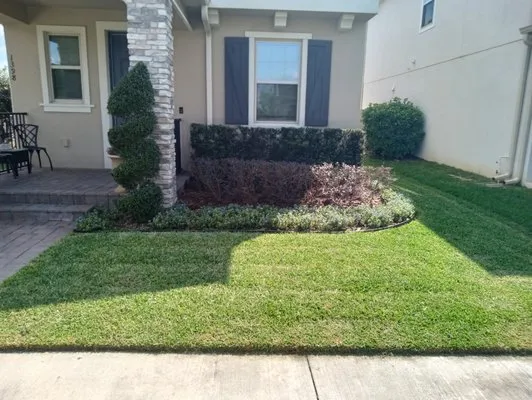
Fishman Landscapes is your trusted local landscaping partner in Chuluota, FL, specializing in comprehensive solutions for the unique environmental challenges of Central Florida. We understand that man...
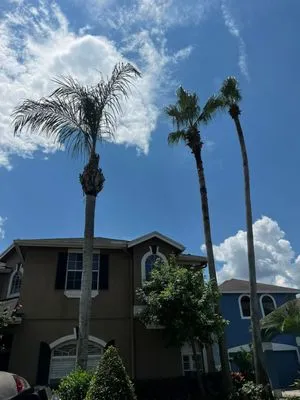
Mako Brothers is a family-owned and fully insured tree service and landscaping business serving Chuluota and surrounding Seminole and east Orange County areas. Founded in 2020 by owner Ryan, who bring...

A Cut Above Tree & Landscape is a family-owned tree service and landscaping company serving Chuluota and Central Florida since 1987. With certified arborists on staff, we provide expert care for trees...
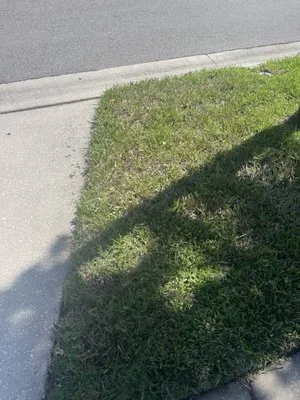
Community Lawn & Pest Control is a Chuluota-based service provider dedicated to maintaining healthy, beautiful outdoor spaces while prioritizing the safety of our local environment, families, and pets...

Theodore Mello Lawn Service provides expert lawn care for Chuluota, FL, homeowners. We understand that local lawns face specific challenges like lawn fungus disease and soil compaction, common issues ...

The Outdoor Edge is your local Chuluota landscaping partner, dedicated to transforming Central Florida properties into beautiful, functional outdoor spaces. With over 15 years of hands-on experience, ...
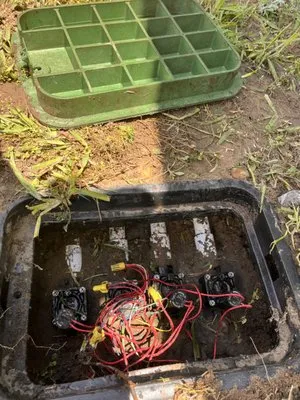
Bennett Irrigation LLC is a trusted irrigation and landscaping company serving Orlando and its surrounding areas, including Chuluota. We specialize in repairing and upgrading irrigation systems at an ...
Anderson Exterior Services is your trusted local provider for pressure washing and landscaping solutions in Chuluota, FL. We understand the unique challenges homeowners face in our area, including per...
Oviedo Landscaping is a trusted local landscaping company serving Chuluota, FL, specializing in comprehensive solutions for residential and commercial properties. We address common local challenges li...
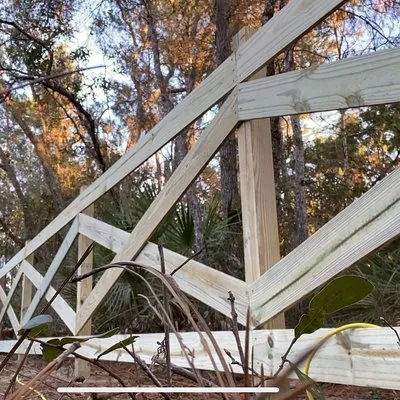
Premium Property Care in Chuluota, FL, provides dependable home maintenance services for local property owners. We offer a comprehensive range of solutions, including expert interior and exterior pain...
Frequently Asked Questions
I'm tired of constant mowing and blowing. Are there lower-maintenance options?
Reducing high-input turf areas in favor of climate-adapted natives is a forward-looking strategy. Incorporating plants like Beautyberry, Muhly Grass, and Saw Palmetto significantly cuts water, fertilizer, and maintenance needs. This transition also future-proofs your landscape against potential gas-powered blower restrictions within local noise ordinances, creating a quieter, biodiverse habitat that supports 2026 ecological standards.
My yard stays soggy for days after a summer storm. What's the long-term fix?
Seasonal saturation is a chronic issue due to our high water table and the poor internal drainage of compacted sandy soils. Solutions focus on improving permeability: installing French drains or dry wells to intercept water, and regrading to direct surface flow. Using permeable concrete pavers for patios or walkways also reduces runoff, often helping projects meet Seminole County Planning & Development standards for stormwater management.
What permits and credentials should I verify before hiring for a major regrading project?
Any significant grading or earthwork on a 0.50-acre lot typically requires a permit from Seminole County Planning & Development to ensure proper drainage and erosion control. Crucially, verify the contractor holds a current license from the Florida Department of Business and Professional Regulation for the correct scope of work, such as landscaping or specialty contracting. This licensing is your guarantee of insurance, bonding, and adherence to state codes.
How can I keep my St. Augustine grass alive with only two watering days per week?
Under Chuluota's year-round two-days-per-week conservation schedule, successful turf management requires precision. Wi-Fi ET-based weather sensing irrigation systems are essential; they automatically adjust runtime based on real-time evapotranspiration data, applying water only when needed. This technology, combined with proper mowing height for Floratam or Palmetto varieties, ensures deep root growth and resilience within municipal water limits.
Why is my lawn in Chuluota Center so thin and drains poorly, even with regular watering?
Properties built in the 1986-era development wave, like many in Chuluota Center, have 40-year-old landscapes with mature but compacted soil profiles. The native Acidic Sandy Spodosols common here become dense and hydrophobic over decades, losing permeability. Core aeration and the incorporation of composted organic matter are critical to rebuild soil structure and improve water infiltration for healthy root zones.
Should I use wood or pavers for a new patio, considering fire safety?
For durability and fire safety in our High Fire Wise (WUI Zone 2) rating area, permeable concrete pavers are superior to wood. They provide a permanent, non-combustible surface that contributes to defensible space requirements. Pavers also handle our humidity and seasonal saturation without rotting, warping, or attracting wood-destroying organisms, offering a much longer functional lifespan with minimal maintenance.
My HOA issued a violation notice for overgrowth. How quickly can you handle an emergency cleanup?
For HOA compliance and emergency cleanups, our standard dispatch from the Lake Mills Park area uses SR 419, with a target arrival window of 45-60 minutes during peak traffic. We prioritize these calls with dedicated crews equipped for immediate debris removal and mowing to rectify violations, coordinating directly with property managers when required.
What are the biggest weed threats here, and how do I deal with them safely?
In Chuluota, invasive species like Mexican petunia (Ruellia simplex) and tropical soda apple pose significant alert-level risks. Manual removal is most effective for light infestations. For chemical control, timing is critical to avoid the local fertilizer ordinance blackout period (June 1 - Sept 30), which prohibits nitrogen and phosphorus applications. Always use targeted, approved herbicides and consider pre-emergents in early spring to prevent establishment.
