Top Landscaping Services in Charlotte Harbor, FL, 33952 | Compare & Call
There are 204 landscaping companies server in Charlotte Harbor FL
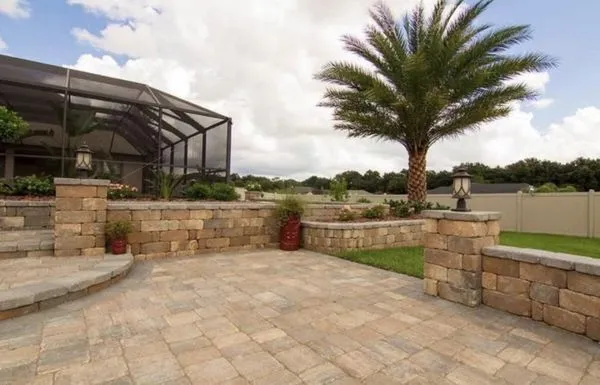
ENS Ed and Sons Brick Pavers and Landscaping
ENS Ed and Sons Brick Pavers and Landscaping is a trusted, family-owned business serving North Port, FL, with over 20 years of experience in comprehensive landscaping, masonry, and irrigation solution...
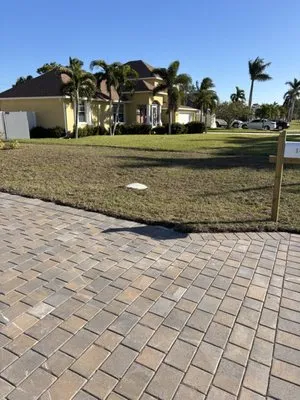
Rhodes Lawn Care & Home Repairs LLC is a family-owned, women-operated business serving Cape Coral since January 2024, though our team brings over 15 years of combined experience in property maintenanc...
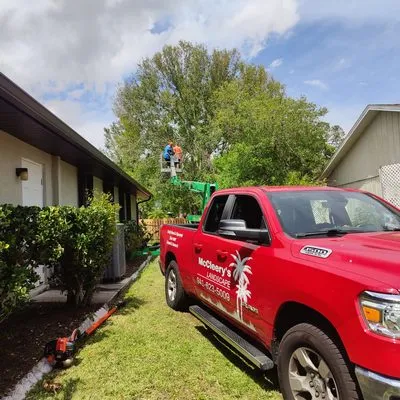
Mccleery's Landscape is a family-owned and operated business serving Port Charlotte, FL, since 2007. Founded by Kevin Mccleery, who began as an apprentice before Hurricane Charlie and trained under Ti...
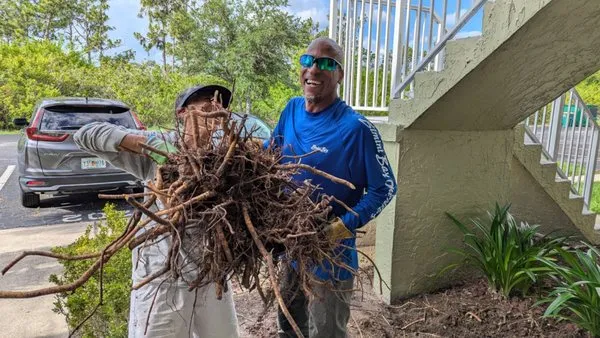
Andablade Commercial Lawn Care is a dedicated landscaping provider serving commercial clients across Southwest Florida, from Fort Myers through North Port. Based in Port Charlotte, we specialize in ma...
Family Pride Painting is a trusted, locally-owned service provider in Port Charlotte, FL, specializing in painting, pressure washing, and landscaping solutions. We understand the unique challenges Por...
JM Lawn Service is a trusted, locally-owned lawn care provider serving Port Charlotte, FL. We understand the specific challenges homeowners face here, from persistent bare spots in lawns to damaged la...
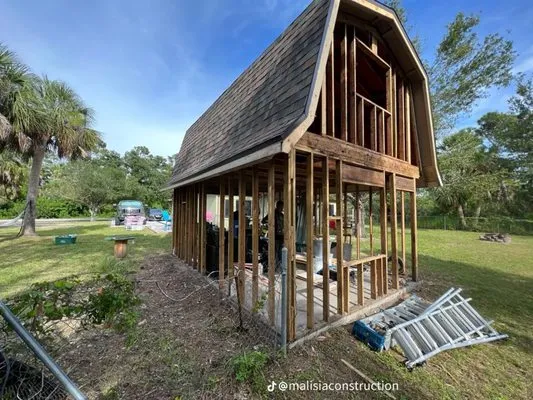
Albert, owner of Malisia Records in Port Charlotte, FL, brings a personal commitment to every project. With services spanning handyman work, landscaping, and pressure washing, he focuses on delivering...
R&R GreenWorks is a locally owned and operated landscaping company serving North Port, FL, dedicated to transforming outdoor spaces with honesty and reliability. We specialize in comprehensive lawn an...
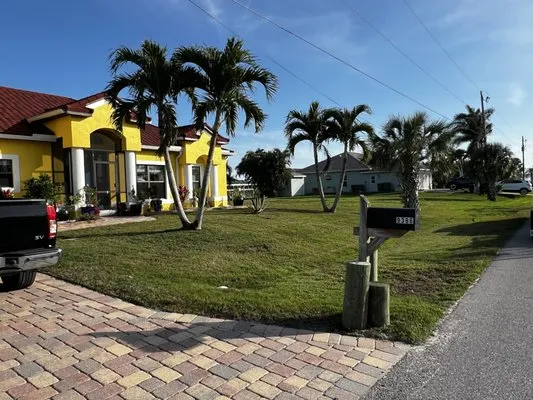
David's Lawn Care is a family-owned and operated landscaping service based in Port Charlotte, Charlotte County, Florida. Founded in late 2023 by David, who started working part-time at a lawn care com...
Punta Gorda Pest Control
Punta Gorda Pest Control is a locally owned and operated business serving Punta Gorda, Port Charlotte, Englewood, and North Port. Our experienced team provides personalized pest control, lawn, and tre...
Estimated Landscaping Service Costs in Charlotte Harbor, FL
Frequently Asked Questions
What permits and licenses are required to regrade and sod my quarter-acre lot?
Regrading that alters drainage patterns on a 0.25-acre lot typically requires an Earthmoving Permit from Charlotte County Community Development. The contractor performing the work must hold a license from the Florida Construction Industry Licensing Board, either as a Certified Landscape Contractor or a Registered Specialty Contractor. This ensures they have the expertise to execute plans that comply with county codes, manage soil erosion, and install sod correctly to prevent future drainage issues on your property.
How can I keep my St. Augustine grass alive on only two watering days a week?
Phase 1 water restrictions in Charlotte Harbor mandate a two-day-per-week schedule, which is sufficient for Floratam St. Augustine with precise management. A smart Wi-Fi controller integrated with in-ground soil moisture sensors is essential. This system schedules irrigation based on actual evapotranspiration (ET) and soil conditions, applying water only when needed and deeply to encourage drought-tolerant roots. This technology prevents overwatering and ensures compliance while maintaining turf health.
My yard floods after heavy rains. What's the best long-term solution for drainage?
Localized flooding is common here due to the high water table and the low permeability of compacted sandy Spodosols. A functional solution involves creating a shallow, graded swale to direct surface water away from structures. For hardscape areas, using permeable concrete pavers instead of solid concrete increases ground infiltration. These systems must be designed to manage runoff volume, often requiring a permit from Charlotte County Community Development to ensure they meet current stormwater standards.
I want to reduce mowing, blowing, and watering. What are my best plant options?
Transitioning to a xeriscape with Florida native plants significantly reduces maintenance inputs. A layered planting of Muhly Grass, Firebush, Saw Palmetto, and Beach Sunflower provides year-round interest, supports pollinators, and requires no supplemental irrigation once established. This approach aligns with evolving noise ordinances restricting gas-powered blowers and reduces weekly mowing demands, creating a resilient, biodiverse landscape that conserves water.
Why is the soil in my Charlotte Harbor Estates yard so sandy and acidic, and what can I do about it?
Charlotte Harbor Estates was primarily developed in the early 1980s, giving residential soils approximately 45 years to mature on the native sandy Spodosols. This soil type is naturally acidic, with a pH of 5.5-6.5, and has low organic matter and nutrient retention. To improve soil health, incorporate 2-3 inches of composted organic matter into the top 6 inches annually. This process, combined with periodic core aeration, will enhance microbial activity, water retention, and root penetration for your landscape.
How quickly can you respond for an emergency storm cleanup to meet an HOA compliance deadline?
For emergency storm response in Charlotte Harbor, our electric fleet is dispatched from a staging area near Charlotte Harbor Preserve State Park. Using US-41 (Tamiami Trail), we can typically reach Charlotte Harbor Estates within 45-60 minutes during peak congestion. This allows for immediate debris management and safety hazard mitigation to help you comply with HOA or county ordinances following a weather event.
What invasive species should I watch for, and how do I treat them during the summer fertilizer blackout?
Common invasive alerts in Zone 10a include Brazilian Pepper, Skunkvine, and Mexican Petunia. Manual removal or targeted cut-stump herbicide application is effective. Crucially, the local fertilizer ordinance prohibits nitrogen applications from June 1 to September 30. Treating invasives during this blackout period requires using herbicide formulations that contain no nitrogen or phosphorus, focusing solely on the pest plant without violating regulations or contributing to nutrient runoff.
Are concrete pavers a better choice than wood for a patio in our climate and wildfire zone?
Yes, cool-touch reflective concrete pavers are superior for durability and fire safety. Unlike wood, they do not rot, warp, or attract pests in the humid climate. For properties in Moderate Wildfire Risk (WUI Zone 2) areas, pavers provide critical defensible space as a non-combustible material. Their installation allows for proper permeability when set with polymeric sand, managing runoff while creating a stable, long-lasting surface that requires minimal maintenance.
