Top Landscaping Services in Cape Coral, FL, 33903 | Compare & Call
There are 239 landscaping companies server in Cape Coral FL
Maple is a full-service landscaping company serving Cape Coral, FL, specializing in comprehensive outdoor solutions. We offer irrigation design, landscape construction, maintenance, tree care, and des...
Edward D McCoy Landscaping is a trusted local landscaping company serving Cape Coral, FL. We specialize in addressing common homeowner challenges like overgrown hedges and standing water in yards. Our...
Greenprint Lawn & Landscape is a trusted Cape Coral landscaping company dedicated to solving common local yard challenges. Many homeowners in our area struggle with persistent mulch bed weeds and unev...
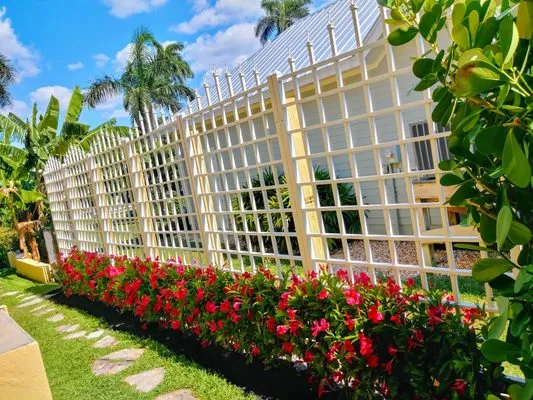
Wright Innovative Landscaping
Wright Innovative Landscaping transforms Cape Coral's outdoor living spaces with 24 years of dedicated local expertise. We specialize in turning your vision for your yard into a reality, from initial ...

Lawn Care Jardineros in Fort Myers, FL, is a locally owned and operated lawn care and gardening service that grew from humble beginnings. Starting with just one lawnmower, the business has expanded th...
Belcastro & Sons Landscaping is a family-owned and operated landscaping company serving the Cape Coral, FL community. We specialize in diagnosing and treating the unique challenges Southwest Florida p...

Valadez Landscaping is a trusted, locally-owned lawn care provider serving Fort Myers, FL, with over eight years of dedicated experience. We focus on the fundamentals of lawn health and curb appeal, t...
Gardens by Connie
Gardens by Connie is a Fort Myers-based landscaping company specializing in creating and maintaining beautiful, healthy outdoor spaces. Serving the local community, they expertly tackle common Southwe...
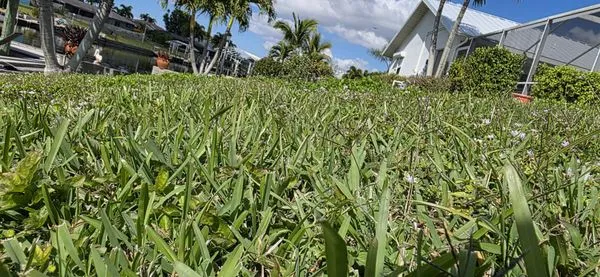
Sea Breeze in Cape Coral, FL, is your dedicated local partner for maintaining a healthy and beautiful outdoor space. Specializing in lawn care and tree care services, we understand the unique challeng...
Estimated Landscaping Service Costs in Cape Coral, FL
Q&A
Why does the soil in our yard seem so thin and quick to dry out?
Cape Coral's Pelican neighborhood, built around 1998, has soils that are 28 years post-development. These are Sandy Spodosols, a soil type with low organic matter and poor nutrient retention. Without consistent amendment, this naturally acidic (pH 5.5-6.5) sand lacks the structure to support deep root growth. Annual core aeration and incorporation of composted organic matter are critical to build soil maturity and water-holding capacity.
How fast can you respond to an emergency cleanup after a storm?
For an HOA compliance or emergency storm cleanup in Pelican, our standard dispatch originates from the Cape Coral Yacht Club area. Using Veterans Memorial Pkwy, we can achieve a site arrival in 45-60 minutes during peak response windows. Our operational fleet is transitioning to electric equipment, which complies with the city's 7:00 AM to 9:00 PM noise ordinance and allows for earlier or later deployment if necessary.
What invasive species should we watch for, and how do we treat them safely?
Key invasive alerts for Zone 10a include Brazilian Pepper and Skunkvine. Manual removal for young plants is safest. For established issues, herbicide application must avoid the local fertilizer ordinance's blackout period for nitrogen (June 1st through September 30th). Always use a targeted, non-phosphorus formula applied by a licensed professional to prevent runoff into the canal system and protect the sensitive watershed.
Do we need a permit to regrade our yard, and what licensing should our contractor have?
Yes, any significant regrading or alteration of drainage patterns on a 0.23-acre lot typically requires a permit from the Cape Coral Department of Community Development. The contractor performing this work must hold the proper license from the Florida Department of Business and Professional Regulation, such as a Certified Specialty Contractor for landscaping. This ensures the work complies with city codes, protects your property value, and adheres to state-mandated insurance and competency standards.
We want to reduce mowing and blower noise. What are our options?
Transitioning to a xeriscape or Florida-friendly landscape with native plants significantly reduces maintenance inputs. Using Muhly Grass, Firebush, Beautyberry, Coontie, and Saw Palmetto creates a resilient, biodiverse habitat that requires no weekly mowing, minimal irrigation, and no gas-powered blowers. This approach future-proofs your property against tightening noise ordinances and aligns with 2026 standards for water conservation and ecological function.
Are permeable pavers a better choice than wood for a new patio?
For longevity and low maintenance in Cape Coral's climate, permeable concrete pavers outperform wood. They are impervious to rot, insects, and salt air corrosion. Their permeability manages stormwater, and the non-combustible material contributes to a Firewise landscape, an important consideration for maintaining defensible space in Moderate (WUI Zone 2) rated areas. The initial investment is offset by a decades-long lifespan with minimal upkeep.
How can we keep our St. Augustine grass alive on the two-day watering schedule?
Stage 1 water restrictions require an irrigation strategy focused on efficiency. Smart ET-based (evapotranspiration) weather-sensing controllers are mandatory. These devices adjust runtime based on real-time weather data, applying water only when the turf needs it. This method, combined with proper mowing height and soil health, preserves Floratam St. Augustine while staying well within the 2-day-per-week municipal limit, conserving hundreds of gallons per cycle.
Our yard floods during summer rains. What's a long-term solution?
Seasonal ponding is common due to Cape Coral's high water table and sandy soil's limited percolation. A graded swale system is often the first step. For hardscape areas, replacing solid concrete with permeable concrete pavers is highly effective. This system meets the Cape Coral Department of Community Development's runoff standards by allowing water to infiltrate directly into the ground, reducing surface flow and alleviating localized flooding.
