Top Landscaping Services in Burnt Store Marina, FL, 33955 | Compare & Call
There are 198 landscaping companies server in Burnt Store Marina FL
Growing Grounds
Growing Grounds is a trusted Bokeelia nursery and landscaping company specializing in solving common local lawn and garden challenges. We understand that issues like leaking sprinkler heads and tree r...
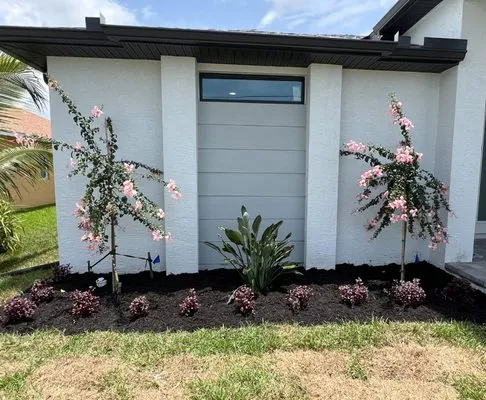
Kamden Farms in Cape Coral, FL, is a distinctive local business that combines a plant nursery with comprehensive landscaping and tree services. As both a supplier and a full-service provider, we offer...
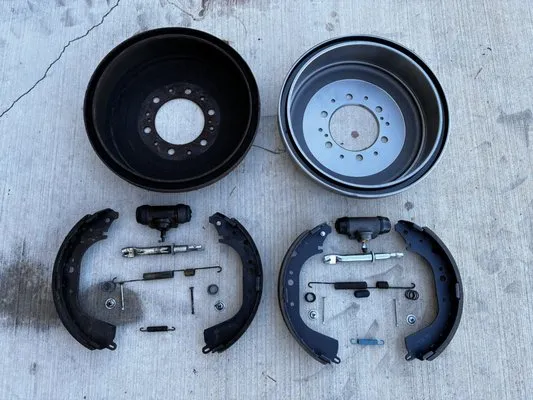
Hello, I'm Alex, the owner of Z Line Services here in Cape Coral. I'm a versatile local professional dedicated to keeping your home, vehicle, and landscape running smoothly. My expertise spans several...
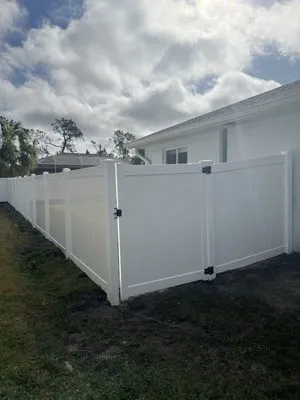
Hans founded Rodgers Services in 2022 to bring dependable, quality work to North Port homeowners. After Hurricane Ian, he focused on helping the community rebuild with stronger fencing solutions. Spec...
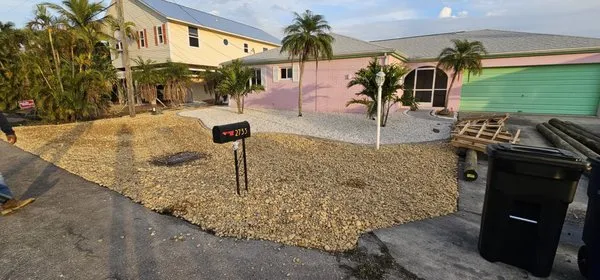
RDZ Landscaping Services
RDZ Landscaping Services is a Bokeelia-based company built on a foundation of hard work and dedication. As a newer business, we are committed to earning the trust of our community by delivering our be...
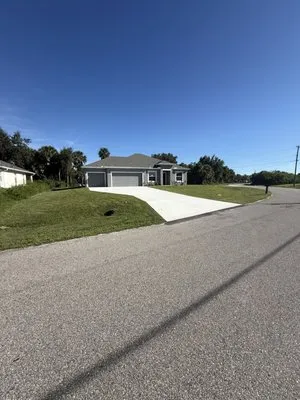
Dalas Lawn Service provides reliable lawn care for Port Charlotte residents. We focus on delivering good service at a price that is consistently below the usual rates in the area, offering value witho...

South Central Lawn Care is a trusted lawn services provider in Fort Myers, FL, specializing in comprehensive lawn care solutions tailored to the local environment. We help homeowners address common So...
Dove Landscaping is a trusted Cape Coral landscaping company specializing in comprehensive shrub care and landscape maintenance. We help local homeowners tackle common Southwest Florida landscaping ch...
Estimated Landscaping Service Costs in Burnt Store Marina, FL
FAQs
Why does my lawn in Burnt Store Marina Residential Enclave feel compacted and struggle to hold water?
Your property's Myakka Fine Sand soil, with its inherent low organic matter, was likely graded and compacted during the home's construction around 1997. After nearly 30 years, this soil profile is mature but depleted, having lost its natural permeability. Core aeration is critical to break up this compaction, followed by top-dressing with quality compost. This process reintroduces organic matter to improve water retention and microbial activity, directly addressing the poor infiltration common on lots in this neighborhood.
My yard floods after heavy rains. What's a long-term solution for this high water table?
The combination of Myakka Fine Sand and a high water table creates chronic poor infiltration. A French drain system tied to a dry well or swale is the standard engineering solution. For new hardscape, specify permeable base installation under Travertine pavers to increase ground absorption. The Charlotte County Community Development Department now encourages these permeable designs to manage stormwater runoff and meet updated site-plan standards.
What permits and licenses are needed to regrade my 0.22-acre lot for better drainage?
Any significant grading altering water flow requires a permit from the Charlotte County Community Development Department. The contractor must hold a valid license from the Florida Department of Business and Professional Regulation, specifically a Certified Landscape Architect license for design or a Certified Specialty Contractor license for execution. This ensures the work meets state-mandated standards for erosion control and stormwater management on a property of this size.
How do I keep my St. Augustine grass alive under the two-day-per-week watering schedule?
Phase 1 water restrictions require precise management. A properly programmed Wi-Fi smart controller using ET-based weather sensing is essential. It automatically adjusts run times based on real-time evapotranspiration data, applying water only when needed and skipping cycles during rain. This technology, combined with deep, infrequent watering cycles that encourage root growth, is the most effective way to maintain Floratam St. Augustine within the municipal limits.
Is Travertine a good choice for a patio here compared to composite wood?
Travertine pavers are superior for longevity in our climate. They are non-combustible, which contributes to defensible space in this Moderate (Zone 2) Fire Wise interface area, and they do not rot, warp, or harbor pests like wood. Properly installed on a permeable base, Travertine handles the heat and humidity without degradation, offering a permanent, low-maintenance surface that withstands the coastal environment far better than organic materials.
What are the major invasive weed threats here, and how do I treat them during the summer fertilizer blackout?
Tropical Soda Apple and Brazilian Pepper are high-priority invasive species in this area. Treatment focuses on targeted, foliar-applied herbicides, as soil-applied pre-emergents often contain prohibited nutrients. Crucially, these treatments must be applied outside the local Nitrogen blackout period (June 1 - Sept 30) to remain compliant. Always verify that any product used contains zero Phosphorus, as per the county ordinance.
How quickly can a crew respond for an emergency storm cleanup to meet HOA compliance deadlines?
For an emergency cleanup, our dispatch from the Burnt Store Marina Yacht Club area allows for a strategic route via I-75. Accounting for peak traffic, we target a 45-60 minute arrival window. We prioritize electric equipment for immediate, quiet operation within the 08:00 to 18:00 window to comply with local noise ordinances, ensuring a swift and compliant resolution to storm debris issues.
What's a lower-maintenance alternative to my high-input St. Augustine lawn?
Transitioning to a xeriscape with native plants like Coontie, Firebush, and Beach Sunflower drastically reduces water, fertilizer, and mowing needs. These species are adapted to Zone 10a and our soil pH, requiring minimal inputs once established. This shift also future-proofs your property against tightening noise ordinances, as it eliminates the need for weekly gas-powered mowing and blowing, aligning with the move toward electric maintenance fleets.
