Top Landscaping Services in Big Pine Key, FL, 33043 | Compare & Call


Jakub Bursa founded Evergreen Islands LLC in Big Pine Key to fill a gap in the local landscaping industry, focusing on creating genuinely healthy, thriving outdoor spaces. With a detail-oriented minds...
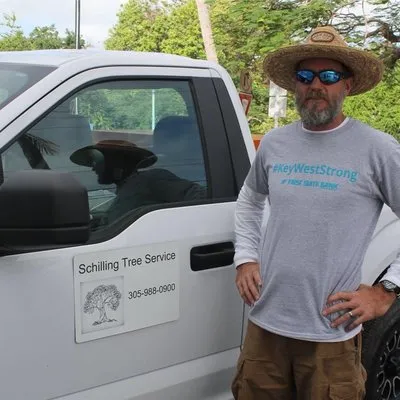
Schilling Tree Service is a dedicated local tree and landscaping company serving Big Pine Key, FL. We focus on meticulous attention to detail in every project, from landscape maintenance and tree care...
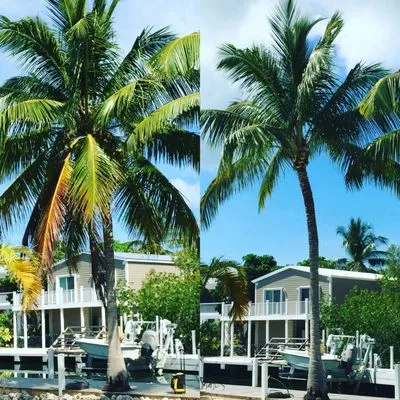
A Cut Above Fl Keys is a professional tree service and landscaping company based in Big Pine Key, Florida, serving the Lower Keys with reliable, owner-operated care. For about four years, owner Cliff ...
Pearson Tree Service has been a trusted name for professional tree care in Big Pine Key and throughout the Middle and Lower Keys for many years. Founded and operated by Jason, a seasoned arborist who ...

Pet Butler in Big Pine Key, FL, is your local solution for a common landscaping challenge: pet waste removal. In an area where many homes experience issues like clogged irrigation heads and dying shru...
Question Answers
How quickly can you respond to emergency storm cleanup for HOA compliance on Big Pine Key?
Emergency storm response from the National Key Deer Refuge area typically requires 45-60 minutes during peak conditions. Our electric maintenance fleet routes via US-1 (Overseas Highway) to minimize noise ordinance conflicts while maintaining rapid deployment. This timing accounts for post-storm debris assessment and prioritizes safety clearance for emergency vehicle access. We coordinate directly with HOA management to ensure compliance deadlines are met within the restricted commercial equipment hours of 8 AM to 6 PM.
What licensing requirements apply to grading and drainage work on my quarter-acre property?
Grading and drainage modifications on 0.25-acre lots in Monroe County require permits from the Monroe County Building Department and licensed professionals certified by the Florida Construction Industry Licensing Board. The karst topography and tidal influence necessitate specialized expertise in hydrology that general landscaping licenses don't cover. Proper documentation of soil displacement and water management plans must demonstrate compliance with coastal construction regulations. Unlicensed grading can compromise neighboring properties' drainage and violate environmental protections for the adjacent Key Deer Refuge habitat.
Why choose permeable pavers over wood decking for outdoor living spaces?
Permeable Keystone pavers offer superior longevity in Big Pine Key's salt-air environment compared to wood alternatives requiring constant treatment. The non-combustible material contributes to defensible space requirements for Moderate Fire Wise ratings, reducing wildfire spread potential. Properly installed paver systems accommodate root growth of native specimens while maintaining structural integrity. Their permeability manages runoff during heavy rainfall events, complementing the natural karst drainage patterns rather than creating impermeable surfaces that exacerbate flooding.
What landscape alternatives reduce maintenance while supporting local ecology?
Transitioning from high-input St. Augustine turf to native plantings like Silver Palm, Key Thatch Palm, and Lignum Vitae creates resilient, low-maintenance landscapes. These species require minimal watering, no chemical inputs, and provide habitat for Key Deer Refuge wildlife. Native Sea Grape and Pineland Croton establish deep root systems that stabilize soil against erosion. This approach reduces gas-powered equipment use ahead of expanding noise ordinances while creating fire-resistant zones compliant with Moderate WUI ratings.
How do I manage invasive species without violating fertilizer blackout dates?
Brazilian Pepper and Australian Pine present significant invasive risks in Big Pine Key's ecosystem. Mechanical removal combined with targeted organic herbicides applied outside the June 1-September 30 nitrogen/phosphorus prohibition effectively controls spread. Soil testing identifies specific nutrient deficiencies that can be addressed with slow-release organic amendments during permitted application windows. Establishing competitive native plant communities creates natural barriers against reinfestation while maintaining soil health within ordinance parameters.
Why does my Big Pine Key Estates yard struggle with drainage and plant health despite regular care?
Properties in Big Pine Key Estates built around 1985 have 41-year-old soil profiles on Oolitic Limestone bedrock. This calcareous soil maintains a pH of 8.0-8.5, creating alkaline conditions that limit nutrient availability and reduce soil permeability. The limestone substrate combined with decades of minimal organic matter input results in compacted, poorly draining soil. Core aeration with compost amendments improves water infiltration and supports microbial activity essential for plant health in this environment.
How can I maintain St. Augustine turf under Stage 1 water restrictions without losing coverage?
Smart Wi-Fi ET-based controllers with rain sensors optimize irrigation by calculating actual evapotranspiration rates specific to Big Pine Key's microclimate. These systems adjust watering schedules daily based on weather data, reducing water use by 20-30% while maintaining Floratam or Seville St. Augustine health. The technology prevents overwatering during tidal flooding events and respects year-round conservation mandates. Properly calibrated systems deliver water during optimal absorption windows, minimizing runoff into the karst aquifer system.
What solutions prevent tidal flooding and groundwater intrusion in my limestone-based yard?
Karst topography combined with high tidal flooding requires engineered drainage solutions that work with Oolitic Limestone's natural permeability. Permeable Keystone pavers installed with proper base materials create infiltration zones that meet Monroe County Building Department runoff standards. These systems allow gradual water percolation while preventing surface pooling during storm surges. Strategic grading directs water away from structures while maintaining natural groundwater recharge patterns essential in this sensitive ecosystem.
