Top Landscaping Services in Beverly Hills, FL, 34464 | Compare & Call


S A Sod & Landscaping is a trusted Beverly Hills, FL landscaping company specializing in comprehensive outdoor solutions for local homeowners. We provide landscape construction and installation, ongoi...

Enlightened Designs Landscape Lighting Service
Enlightened Designs Landscape Lighting Service has been a trusted name in Beverly Hills, FL, for over 40 years, providing licensed low-voltage landscape lighting solutions for both residential and com...
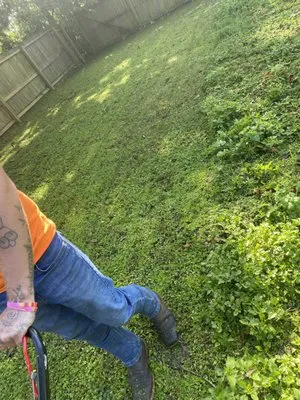
Preston’s Lawn Care is your trusted, locally-owned lawn and tree service in Beverly Hills, FL. We specialize in comprehensive solutions for the specific challenges homeowners face in our area, includi...
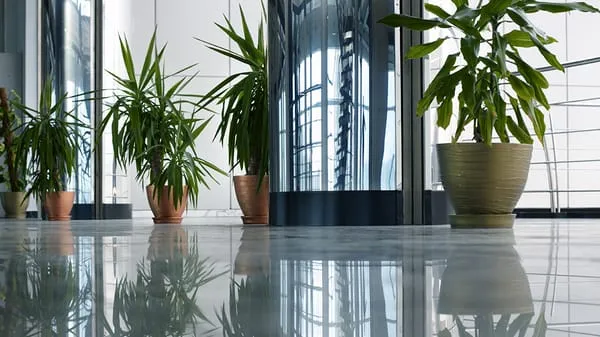
Vincent Michael Designs provides expert landscaping solutions for homes and businesses in Beverly Hills, FL. We specialize in addressing common local landscape issues, such as sprinkler head leaks tha...

B&S Done Right Property Maintenance is a locally owned and operated landscaping business serving Beverly Hills, Florida. We specialize in providing reliable, personalized property care solutions tailo...
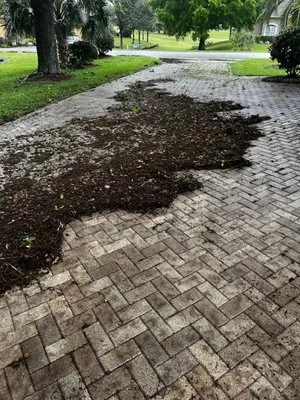
D&D Cleaning And Landscaping brings professional landscaping expertise to Beverly Hills, FL, with roots in New York's demanding outdoor service industry. Now operating locally, we combine years of exp...
From The Root is a Beverly Hills, FL-based landscaping company dedicated to keeping local properties beautiful and functional. We understand the specific challenges homeowners face in our area, partic...
Citrus Lawn Busters is a dedicated lawn service company serving Beverly Hills, FL. We understand the unique challenges homeowners face here, from frustrating irrigation timer malfunctions to damaging ...
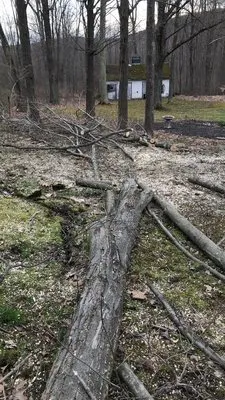
Hardy Home Services is your trusted local partner for landscaping, tree care, and excavation in Beverly Hills, FL. As a full-service provider, we help homeowners and property managers transform and ma...
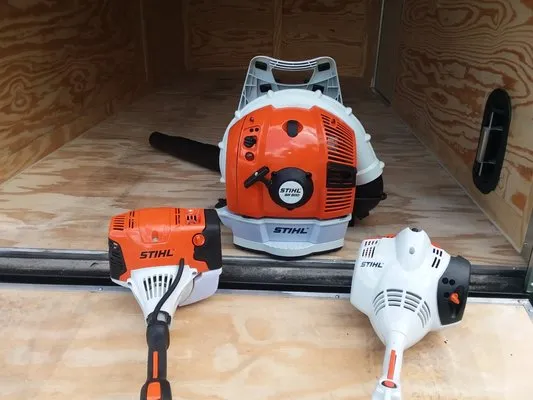
Always Mowed is your trusted, local lawn care expert serving Beverly Hills, FL. We understand that Florida living comes with unique challenges for homeowners, including frequent storm debris cleanup a...
Question Answers
What invasive plants should I watch for, and how do I treat them safely?
Common invasive alerts in Zone 9b include Mexican petunia and cogongrass. Treatment requires careful timing to avoid the local fertilizer ordinance's nitrogen blackout period from June 1 to September 30. We use targeted mechanical removal or approved herbicides, applying them in spring or fall when plant metabolism is high but outside the blackout window. This approach controls the invader without stimulating excess growth during the rainy season.
What are my options for a quieter, lower-maintenance yard that uses less water?
Transitioning to a climate-adaptive landscape with natives like Beautyberry, Coontie, and Beach Sunflower significantly reduces water, fertilizer, and maintenance needs. These plants are adapted to local pH and drought conditions. This shift also supports the voluntary move to electric-only equipment, ahead of potential gas-blower restrictions, creating a quieter, more biodiverse habitat that aligns with 2026 ecological standards.
How can I keep my St. Augustine grass alive on only two watering days a week?
Under Phase II water restrictions, successful irrigation relies on precision. A Wi-Fi ET-based system with soil moisture sensors calculates evapotranspiration and delivers water only when the root zone needs it, preventing waste through rapid percolation. This technology, combined with proper mowing height and seasonal adjustment, maintains turf health within the municipal allotment. Deep, infrequent watering cycles are programmed to maximize the two-day schedule.
How fast can you respond to an emergency like a downed tree after a storm?
For urgent HOA compliance or storm cleanup in Beverly Hills, our dispatch from the Beverly Hills Community Park via US-41 allows for a 25-35 minute peak response. This route is prioritized for electric maintenance vehicles, which comply with the local 8am-8pm noise ordinance. We coordinate with county stormwater teams to clear debris from drainage paths first, mitigating further property damage.
My yard drains too fast and washes away mulch. What's the solution?
Rapid percolation is a hallmark of our sandy soils. The fix involves slowing water movement to increase retention. We install permeable hardscapes like crushed coquina, which meets Citrus County Development Services' runoff standards by allowing infiltration. For planted areas, creating shallow retention swales and amending soil with organic matter boosts the water-holding capacity, reducing erosion and supporting plant health.
Do I need a permit to regrade my backyard, and what kind of contractor is required?
Yes, significant grading on a 0.25-acre lot typically requires a permit from Citrus County Development Services to ensure proper stormwater management and adherence to setback rules. The work must be performed by a contractor licensed by the Florida Department of Business and Professional Regulation, specifically in the category of landscaping. This licensing ensures they are bonded, insured, and knowledgeable about state and local environmental regulations, protecting your property investment.
Why does my soil look so sandy and nothing seems to thrive in it?
Properties in Beverly Hills Central, developed around 1981, sit on 45-year-old Acidic Sandy Entisols. These soils are naturally low in organic matter and have poor structure. Over decades, routine maintenance has compacted the top layer, further reducing its ability to retain water and nutrients. Core aeration and the incorporation of composted organic matter are essential to build soil maturity and create a viable root zone for healthy turf and planting beds.
Are concrete pavers a better choice than wood for a patio here?
For longevity and fire safety, concrete pavers are superior. In Beverly Hills' Moderate (WUI Zone 2) fire risk rating, non-combustible materials are recommended for defensible space. Pavers also handle our acidic soil and humidity without rotting or warping. When set with permeable joints, they aid drainage and can be more easily reconfigured than poured concrete, offering both durability and compliance with best practices for the wildland-urban interface.
