Top Landscaping Services in Woodside East, DE, 19943 | Compare & Call

There are 123 landscaping companies server in Woodside East DE
Borsello Landscaping
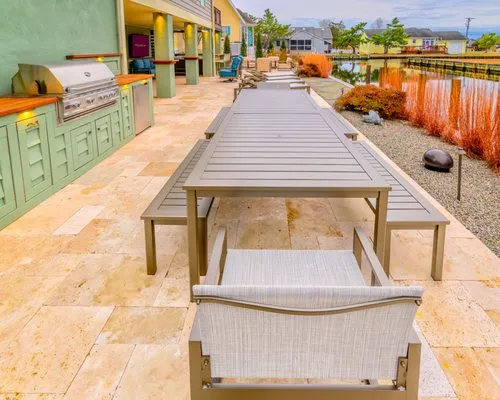
For over 30 years, Borsello Landscaping has been a trusted name in Hockessin, DE, and across Northern Delaware, building custom outdoor living spaces that stand the test of time. Founded by Mike Borse...
Cassello Tree Service
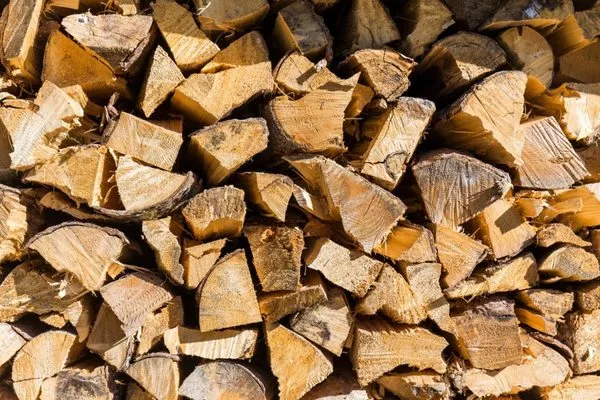
Cassello Tree Service, based in Wilmington, is a trusted local provider for tree care, landscaping, and excavation needs across Delaware, Maryland, and Pennsylvania. Operating with a dedicated fleet o...
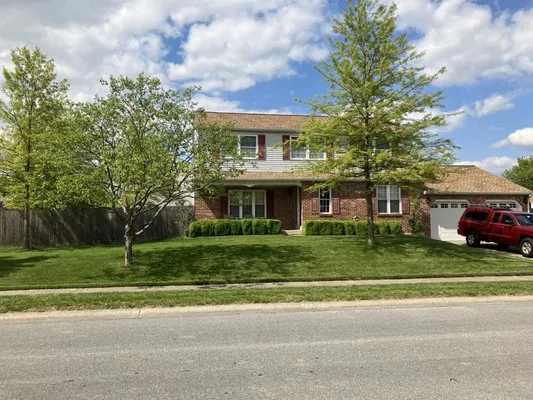
Let's Get Green is a family-owned lawn care company founded in 1997 by Cutler Heath, serving the Wilmington area and surrounding communities from Southern Chester County to Southern Kent County. What ...
A-1 Kevin's Landscaping
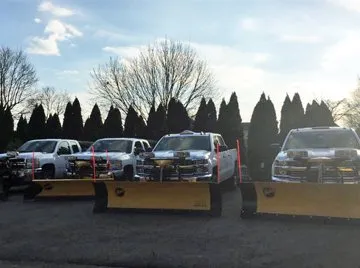
A-1 Kevin's Landscaping has been a trusted name in Smyrna, Delaware, since 1987, providing reliable residential and commercial landscaping services. With over 35 years of experience, we specialize in ...
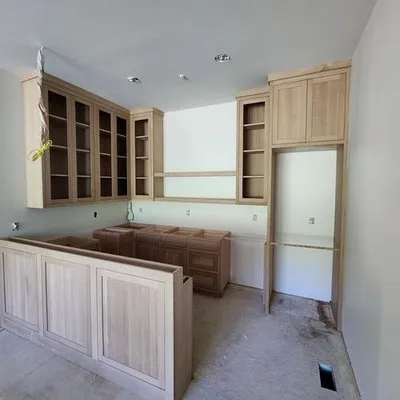
Your Dads Contractor LLC is a Wilmington-based handyman, landscaping, and pressure washing service founded on the principle of making home projects hassle-free. Like the reliable 'guy' your dad would ...
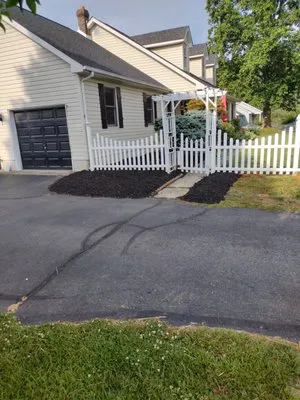
Everlasting Impressions Lawn Care and Landscaping
Everlasting Impressions Lawn Care and Landscaping is a trusted, family-operated business serving Newark, DE, and surrounding areas. Founded by Patricia Ewing and her husband, the company was born from...
Winn Property Maintenance is your trusted, full-service partner for home improvement and property care in Wilmington, DE. We combine general contracting, skilled handyman work, and comprehensive lands...
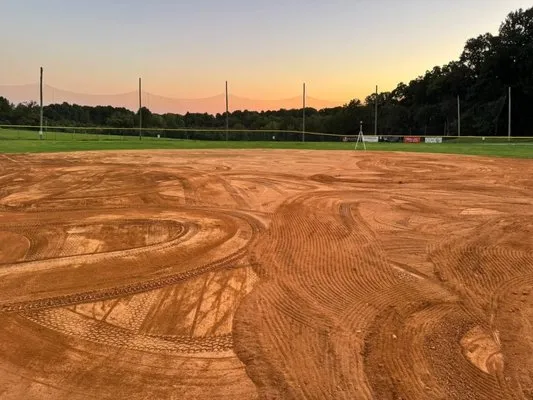
Mountaineer Diamond Care & Landscaping
Mountaineer Diamond Care & Landscaping is a Middletown-based company with a specialized passion for sports field excellence. For over two decades, our founder has been dedicated to creating safe, prof...
Yeison Orozco Tree Service is a locally owned and operated tree and landscaping company proudly serving Elsmere and the surrounding Delaware communities. With over twelve years of hands-on experience,...
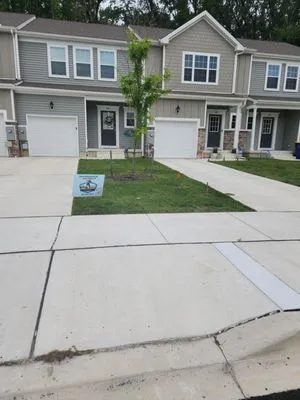
Lions Pride LLC is a local Harrington landscaping company dedicated to transforming and maintaining your outdoor space. We save you valuable time by handling everything from landscape construction and...
Estimated Landscaping Service Costs in Woodside East, DE
Questions and Answers
What permits and credentials are required for significant grading work on our property?
Grading altering more than 5000 square feet on 0.35-acre lots requires Kent County Department of Planning Services erosion control permits. Contractors must hold Delaware Department of Agriculture landscaping licenses with sediment and stormwater management certification. Professional engineering stamps are mandatory for slopes exceeding 3:1 ratios. These requirements ensure compliance with state nutrient management laws and prevent downstream contamination.
We've spotted invasive Japanese stiltgrass. How do we treat it without violating fertilizer regulations?
Japanese stiltgrass requires pre-emergent applications in early March before seed set, using organic corn gluten meal at 20 pounds per 1000 square feet. This approach avoids phosphorus restrictions under Delaware's Nutrient Management Law. Manual removal before flowering prevents spread, while maintaining soil pH 6.0-6.5 discourages reestablishment. Always verify treatment windows outside local blackout dates for chemical alternatives.
Our lawn seems compacted and drains poorly. Is this typical for Woodside East properties?
Woodside East lots built around 1993 have 33-year-old soil profiles. Sassafras Sandy Loam naturally compacts over decades, reducing percolation rates below 0.5 inches per hour. Core aeration with 3-4 inch depth every 2-3 years addresses this, supplemented by 0.25 inches of compost to rebuild organic matter above 3%. These amendments maintain the soil's optimal pH 6.0-6.5 range for nutrient availability.
We need emergency storm debris removal to meet HOA compliance deadlines. What's your response protocol?
Emergency cleanup crews dispatch from Woodside Town Center via US-13, maintaining 20-30 minute arrival times during peak conditions. Our electric fleet operates within standard noise restrictions (quiet hours 9 PM-7 AM), using battery-powered chippers and sweepers. We prioritize safety zones first, then address visibility hazards along driveways and sidewalks to restore access within 4 hours of notification.
Should we choose permeable pavers or wood for our new patio considering long-term value?
Permeable concrete pavers offer 25+ year lifespans versus wood's 10-15 years with regular treatment. Their 95% permeability rating manages runoff without additional drainage infrastructure. For fire-wise considerations in low-risk residential zones, pavers create defensible space without combustible materials. Installation over 6 inches of compacted stone base prevents frost heave damage common in Zone 7b freeze-thaw cycles.
How do we keep Tall Fescue healthy during dry spells without violating water conservation guidelines?
Wi-Fi ET-based weather sensing irrigation calculates evapotranspiration rates specific to Woodside East's microclimate. This system applies 0.75-1 inch weekly during peak demand, aligning with voluntary conservation measures. Deep, infrequent watering encourages root penetration to 6-8 inches, making turf more drought-resilient. Soil moisture sensors prevent irrigation when precipitation exceeds 0.25 inches, reducing annual water use by 30-40%.
Our yard pools water seasonally. What solutions work with Sassafras Sandy Loam's drainage characteristics?
Moderate seasonal water table fluctuation requires graded swales directing runoff away from foundations. Permeable concrete pavers achieve 5-8 inches per hour infiltration rates, meeting Kent County Department of Planning Services runoff standards. French drains with clean stone aggregate provide subsurface relief during saturation periods. These systems manage the soil's variable permeability while preventing erosion on 0.35-acre lots.
Can we reduce maintenance while preparing for electric equipment mandates?
Replacing high-maintenance turf with Eastern Redbud, Switchgrass, and Butterfly Weed creates self-sustaining ecosystems requiring minimal intervention. These natives thrive in Zone 7b without synthetic inputs, eliminating gas-powered mowing and blowing. Virginia Sweetspire and Black-eyed Susan provide year-round structure with seasonal interest, reducing maintenance frequency by 60-70% while supporting 2026 biodiversity targets.
