Top Landscaping Services in Wilmington, DE, 19801 | Compare & Call

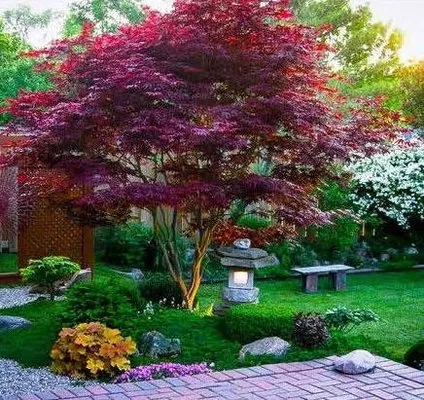
Martin's Landscaping
Martin's Landscaping is a locally owned and operated company founded by Rick Martin, a lifelong resident of the North Wilmington area. After retiring from General Motors, Rick channeled his passion fo...
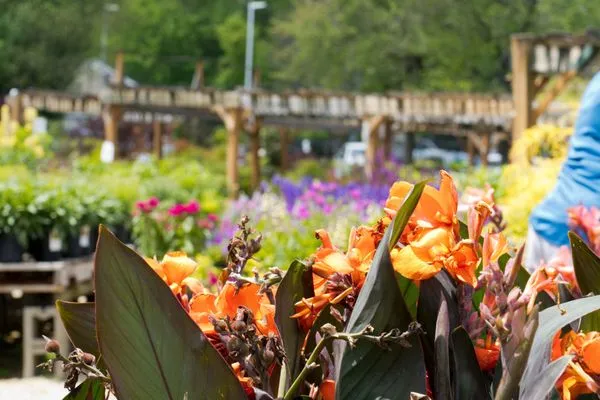
Old Country Gardens is a family-owned nursery and landscaping business serving Wilmington, DE since 1970. With deep roots in the community, we specialize in transforming local properties through exper...
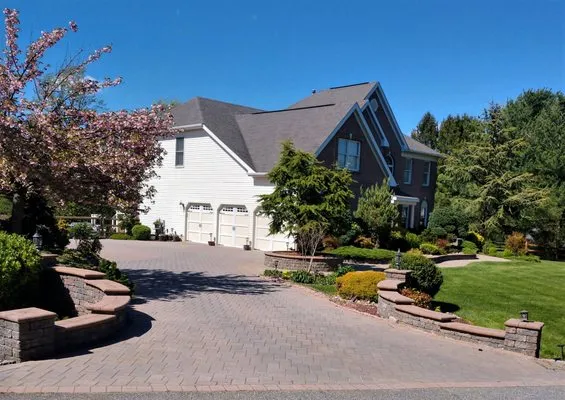
CJB Landscaping is a trusted, locally-owned landscaping company serving Wilmington, DE, and surrounding areas. We understand the unique challenges Wilmington properties face, particularly soil compact...

Moody Lawn Care & Renovations helps Wilmington, DE homeowners achieve and maintain a healthy, attractive lawn and landscape. We focus on reliable, professional service for routine mowing, trimming, ed...
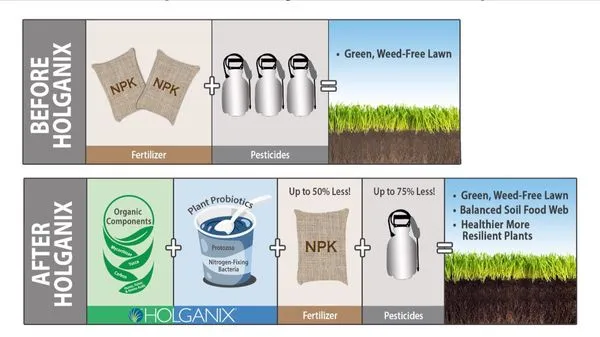
The Lawnscaper is a Wilmington-born and operated lawn care, landscaping, and snow removal company founded on a deep, local passion for the trade. Owner Michael Donovan grew up here, developing an earl...
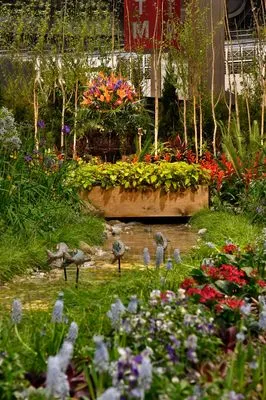
Irwin Landscaping
Irwin Landscaping is a Wilmington, DE-based design/build firm specializing in comprehensive landscape architecture and hardscaping services. Serving Hockessin, Delaware, and surrounding areas in Maryl...
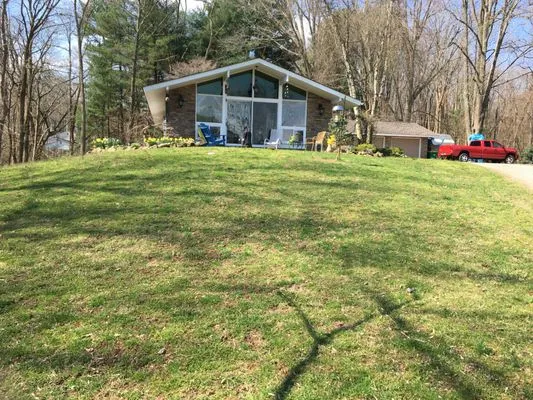
Perez Landscaping has been a trusted name in Wilmington, DE, for over 20 years, built on a foundation of professionalism, commitment, and diligence. Our team of trained professionals is dedicated to d...
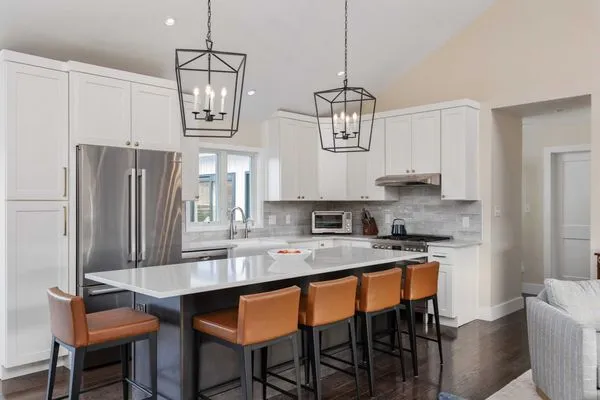
DiSabatino Landscaping
Founded by Chris DiSabatino over 30 years ago, DiSabatino Landscaping has grown from a one-man operation into Wilmington's premier residential landscape design-build firm. Inspired by a family legacy ...
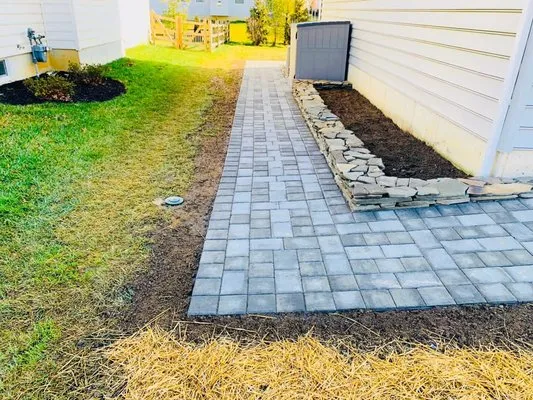
Delaware Lawn Crew
Delaware Lawn Crew is a locally owned and operated lawn care and landscaping company serving Wilmington, Newark, and the broader New Castle County area. We specialize in creating and maintaining healt...

Father & Son Lawncare is a Wilmington-based, family-owned landscaping business built on a passion for the craft. Founder Mike transitioned from a career in truck driving to full-time landscaping, disc...
Q&A
What permits and licenses are required for grading work on my 0.15-acre lot?
Grading work exceeding 100 cubic yards on a 0.15-acre property requires permits from Wilmington's Department of Licenses and Inspections. Contractors must hold specific landscaping licenses through Delaware's Division of Professional Regulation, particularly for projects affecting drainage patterns or soil stability. These requirements ensure proper engineering for Sassafras Sandy Loam's compaction characteristics. Unlicensed grading can violate state erosion control standards and create liability issues for property owners.
What's the best solution for moderate runoff issues on my property?
Sassafras Sandy Loam's clay-based subsoil creates moderate runoff that requires engineered drainage solutions. Permeable clay pavers installed with proper base materials achieve 80-90% water infiltration rates, meeting Wilmington Department of Licenses and Inspections runoff standards. This approach addresses the soil's natural compaction while preventing erosion. For severe cases, French drains with clean stone aggregate provide additional subsurface water management.
What are my options for reducing lawn maintenance while supporting local ecology?
Replacing high-maintenance turf with native plantings like Monarda fistulosa, Echinacea purpurea, and Schizachyrium scoparium creates low-input landscapes that support 2026 biodiversity standards. These species require no gas-powered blowers for maintenance, aligning with evolving noise ordinance restrictions. Native plant communities develop self-sustaining ecosystems that need minimal irrigation once established, particularly valuable during voluntary conservation periods in Wilmington's urban interface.
How quickly can you respond to an emergency tree cleanup after a storm?
Our electric maintenance fleet can dispatch from Brandywine Park via I-95 to reach Highland properties within 20-30 minutes during peak response times. This rapid deployment complies with Wilmington's 8pm-7am noise ordinance restrictions while addressing immediate safety hazards. We prioritize routes that avoid typical post-storm congestion patterns to maintain this response window for HOA compliance emergencies.
How should I handle invasive species without violating fertilizer regulations?
Japanese stiltgrass and garlic mustard pose significant threats in Wilmington's Highland neighborhood. Manual removal before seed set combined with targeted organic herbicides avoids phosphorus application restricted under Delaware's Nutrient Management Law. Treatment timing should avoid blackout dates typically in late summer when fertilizer restrictions are most stringent. For persistent infestations, soil solarization during peak mulching season (mid-March to mid-April) provides chemical-free control.
How can I maintain Tall Fescue turf during Wilmington's voluntary water conservation periods?
Wi-Fi ET-based weather sensing irrigation systems calculate evapotranspiration rates specific to your 0.15-acre property. This technology applies water only when soil moisture drops below optimal levels for Tall Fescue, typically reducing usage by 30-40% compared to traditional timers. The system automatically adjusts for rainfall and humidity patterns common in USDA Zone 7b, ensuring turf health while staying well within municipal water limits during conservation advisories.
Are permeable clay pavers better than wood for patio longevity in Wilmington?
Permeable clay pavers offer superior longevity compared to wood, with 50+ year lifespans versus wood's 15-25 years in USDA Zone 7b conditions. Their fire-resistant properties contribute to Wilmington's low Fire Wise rating requirements for defensible space. Unlike wood, clay pavers don't require chemical treatments that could leach into Sassafras Sandy Loam. Their thermal mass also moderates temperature extremes, reducing heat island effects in urban settings.
Why does my Highland neighborhood soil feel so compacted and drain poorly?
Wilmington's Highland neighborhood was largely developed around 1946, giving the Sassafras Sandy Loam soil approximately 80 years to mature. This soil type naturally develops a clay-based subsoil compaction layer that restricts water percolation. Core aeration with organic amendments like composted leaf mold is essential to improve soil structure and permeability. Without this intervention, root systems struggle to establish, particularly for deep-rooted natives like Viburnum dentatum.
